
Lawall

Why Your Child Needs to Stretch for Healthy Joint Development

As parents, we marvel at how flexible our children seem. Whether they’re learning to walk, climbing jungle gyms, or sitting in positions that make our own knees ache just looking at them, kids often appear made of rubber. However, ensuring they maintain healthy mobility as they grow requires more than just natural youthfulness, it requires attention to Range of Motion (ROM).
 
At Lawall Prosthetics & Orthotics, we see firsthand how crucial joint health is for a child’s development. While genetics play a role, proactive habits like regular stretching can make a world of difference. Understanding the mechanics of your child’s joints can help you support their long-term physical health and prevent future complications.
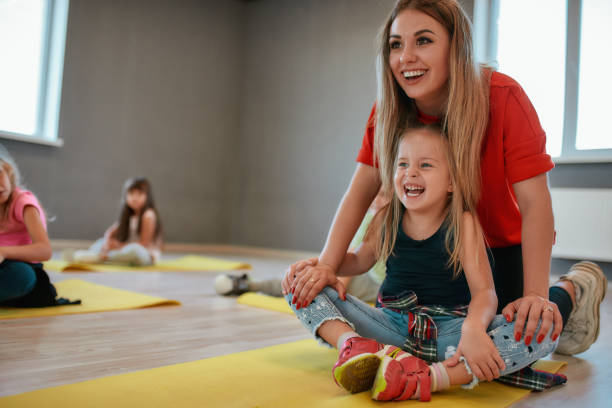
mother daughter stretching
kids-stretching
Woman assisting child butterfly stretch
IMG 1213 2 scaled

Understanding Pediatric Joint Range of Motion (ROM)

Range of Motion refers to the extent of movement a specific joint can achieve, measured in degrees of a circle. In simple terms, it’s how far you can bend or straighten a knee, elbow, or wrist comfortably and safely.

For children, normal ROM is not a static number—it evolves as they grow. According to musculoskeletal research, range of motion in lower extremity joints changes from birth through adulthood. For example, infants often have increased hip flexion compared to adults, while their knee extension might be limited initially due to fetal positioning, resolving as they reach toddlerhood.

Several factors influence a child’s joint mobility:

  • Congenital Conditions: Some infants are born with conditions that affect muscle tone or joint structure, such as clubfoot or hip dysplasia.
  • Growth Spurts: Rapid bone growth can sometimes outpace muscle lengthening, leading to temporary tightness and reduced flexibility during adolescence.
  • Lifestyle: In an era of increased screen time, sedentary behavior can lead to stiffness, whereas active play encourages natural joint maintenance.

Understanding these benchmarks helps us identify when a child might need extra support. If a child struggles with movements that should be age-appropriate—like reaching overhead or sitting cross-legged—it may indicate a restriction in their range of motion.

0628C401 6676 4883 A880 F5EB961342FE scaled e1738702537558

The Benefits of Stretching for Growing Bodies

Integrating stretching into a child’s routine isn’t just about making them flexible enough to do the splits; it is a foundational aspect of musculoskeletal health.

Improving Flexibility and Mobility

Regular stretching helps maintain the elasticity of muscles and connective tissues. Research examining joint flexibility across the lifespan shows that flexibility generally decreases with age. Starting habits early can help mitigate this natural decline, ensuring children retain the movement patterns necessary for running, jumping, and playing freely.

Enhancing Muscle Strength and Balance

A tight muscle is often a weak muscle. When a joint has a full range of motion, the surrounding muscles can contract and lengthen effectively. This efficiency improves overall strength and balance, which is vital for coordination as children learn new sports or activities.

Reducing Injury Risk

During sports or rough play, muscles that are warm and flexible are less likely to strain or tear. Proper ROM allows joints to absorb impact better and move through movements without restricted compensation patterns that lead to injury.

Alleviating Pain and Discomfort

Growth spurts can be uncomfortable. As bones lengthen, muscles can feel tight and achy (often referred to as “growing pains”). Gentle stretching can alleviate this tension, providing relief and helping children sleep better.
children stretching
Mom and daughter butterfly sitting
The Flamingo stretch

Recommended Stretching Exercises for Children

Stretching shouldn’t feel like a chore. Here are some age-appropriate, effective stretches targeting key areas. Note: These are general recommendations. For specific medical conditions, always consult a professional first.

For Shoulders and Upper Body

Upper extremity range of motion can differ significantly in young children compared to adults. To keep shoulders healthy:
 
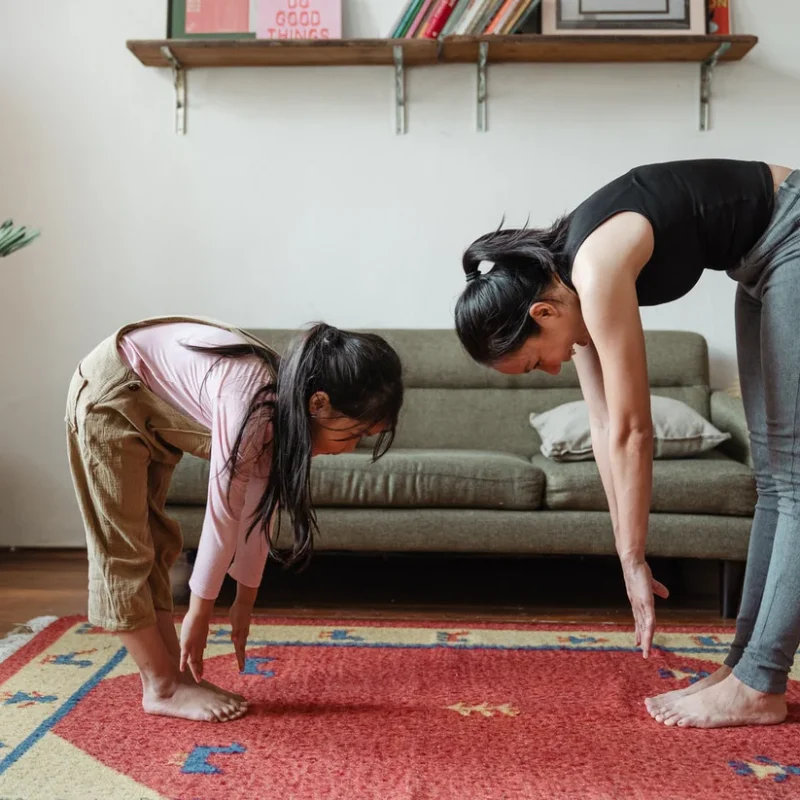
  • The Sky Reach: Have your child stand tall and reach both hands as high as possible toward the sky. This encourages shoulder flexion.
  • The Bear Hug: Ask them to wrap their arms around themselves as if giving a big hug, reaching for their shoulder blades. This stretches the upper back and shoulders.

For Hips and Knees

Because hip extension and knee extension change rapidly in the first few years of life, keeping these joints mobile is key.
  • The Butterfly Sit: Have your child sit with the soles of their feet together and knees dropping toward the floor. They can gently flutter their legs like butterfly wings. This targets the inner hips.
  • The Flamingo: Standing on one leg (holding a wall for balance), have the child gently pull one heel toward their bottom. This stretches the quadriceps and helps with knee flexion.

For Ankles

  • Toe Walking & Heel Walking: Make a game of walking on tiptoes (plantar flexion) and then walking on heels (dorsiflexion) across the living room.
kids yoga butterfly sitting
Gentle stretches and movement

Recommended Stretching Exercises for Children

While stretching is beneficial, safety is paramount. Children’s joints are still developing, and their growth plates are sensitive.

  • Proper Form Over Depth: It is more important to do a stretch correctly than to push into a deep, uncomfortable position.
  • No Bouncing: Ballistic stretching (bouncing) can cause micro-tears in the muscle. Encourage slow, sustained holds of 15–30 seconds.
  • Stop at Pain: Stretching should feel like a gentle pull, never sharp pain. If your child complains of pain, stop immediately.
  • Consult a Professional: If you notice persistent stiffness, asymmetry (one side is much tighter than the other), or if your child limps or alters their gait, it is time to consult a healthcare provider.

For infants, specifically, passive range of motion exercises (where you move the joint for them) should be done with extreme care. Move the joint slowly and never force it. These are best learned under the guidance of a pediatrician or an orthotist.

Kids crab walking in a home

Integrating Stretching into Daily Routine

The best way to ensure consistency is to make stretching part of play. You don’t need a formal “workout” time.
 
  • Animal Walks: Pretend to be different animals. Walk like a crab (stretches shoulders and wrists), hop like a frog (deep squat for hips), or reach like a giraffe.
  • Story Time Stretching: If you read a bedtime story, incorporate movements. If the character reaches for an apple, have your child reach up high.
  • Post-Bath Routine: For infants and toddlers, the time right after a warm bath is ideal. The warm water relaxes muscles, making gentle movement easier.

Supporting Your Child's Journey

At Lawall Prosthetics & Orthotics, we believe that mobility is freedom. Regular stretching is a simple, effective tool to help your child maintain healthy joint range of motion, supporting their development from their first steps to their winning goal.

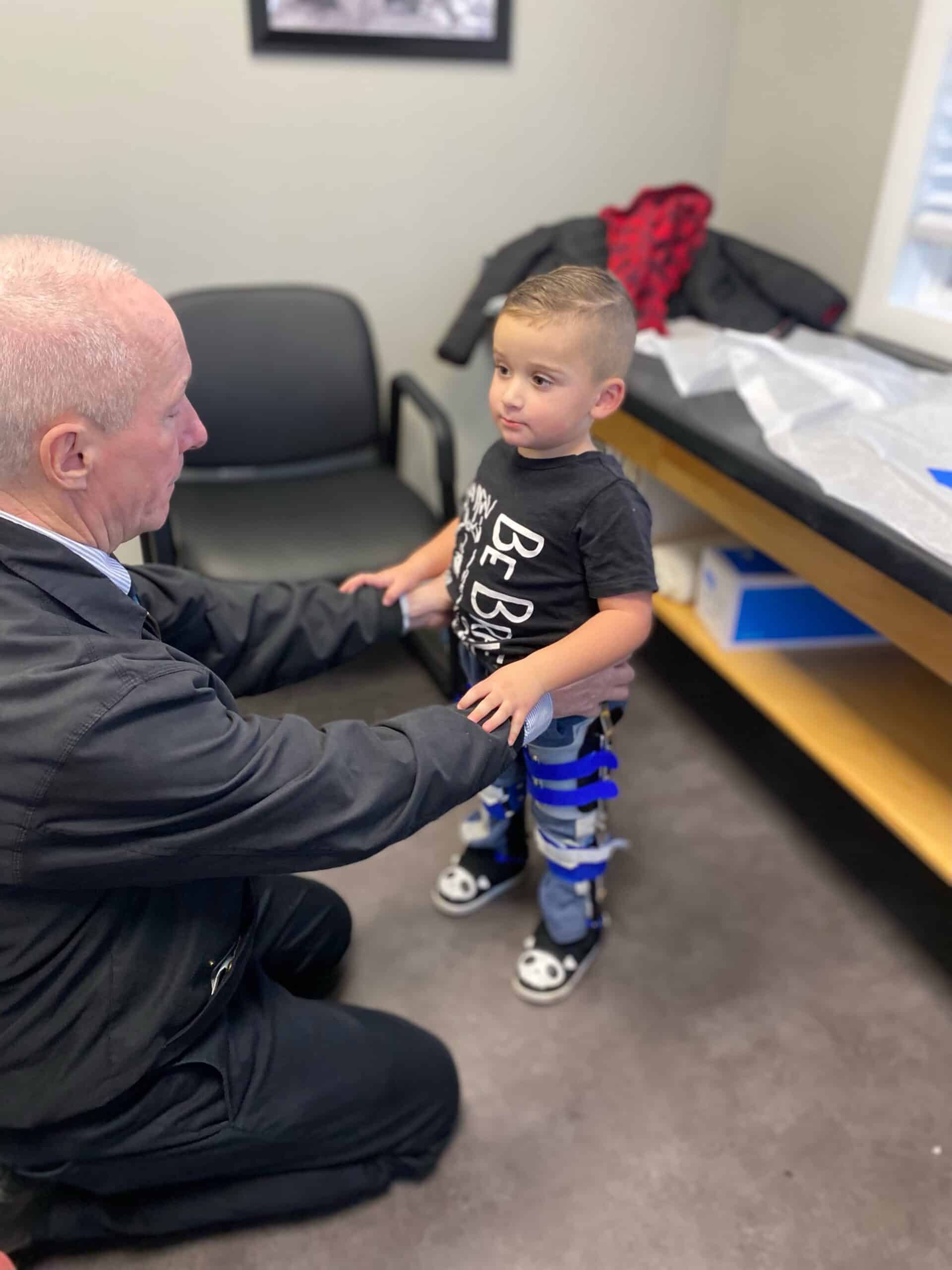
However, sometimes stretching isn’t enough. If your child has a congenital condition, neuromuscular disorder, or an injury affecting their movement, specialized care may be required. Orthotic devices can be incredibly effective in managing these challenges, guiding proper alignment, and assisting movement.

If you have concerns about your child’s flexibility or gait, don’t wait. Early intervention often yields the best results. We are here to answer your questions and provide the expert support your family needs.

Related Posts

4991312

The Future is Here: Top Advancements in Prosthetic Technology

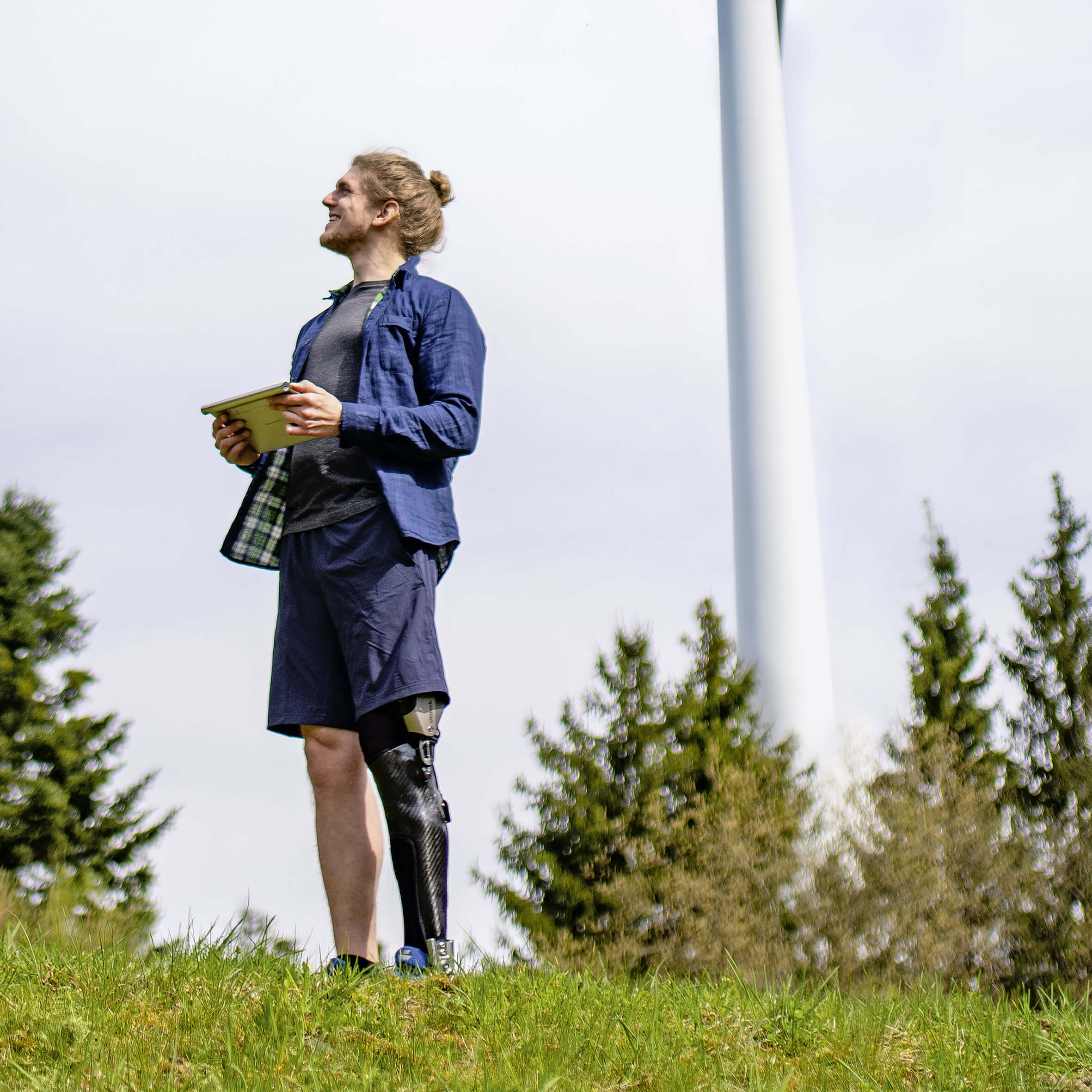
Technological advancement has continued to explode as the decades pass, with something new and exciting growing weekly. The field of prosthetics has not been immune to these improvements, either, seeing significant advancements that improve not only the accessibility of prosthetics but also their capability and safety.

Read More
prosthetic Lawall

Microprocessor knees – Everything you need to know

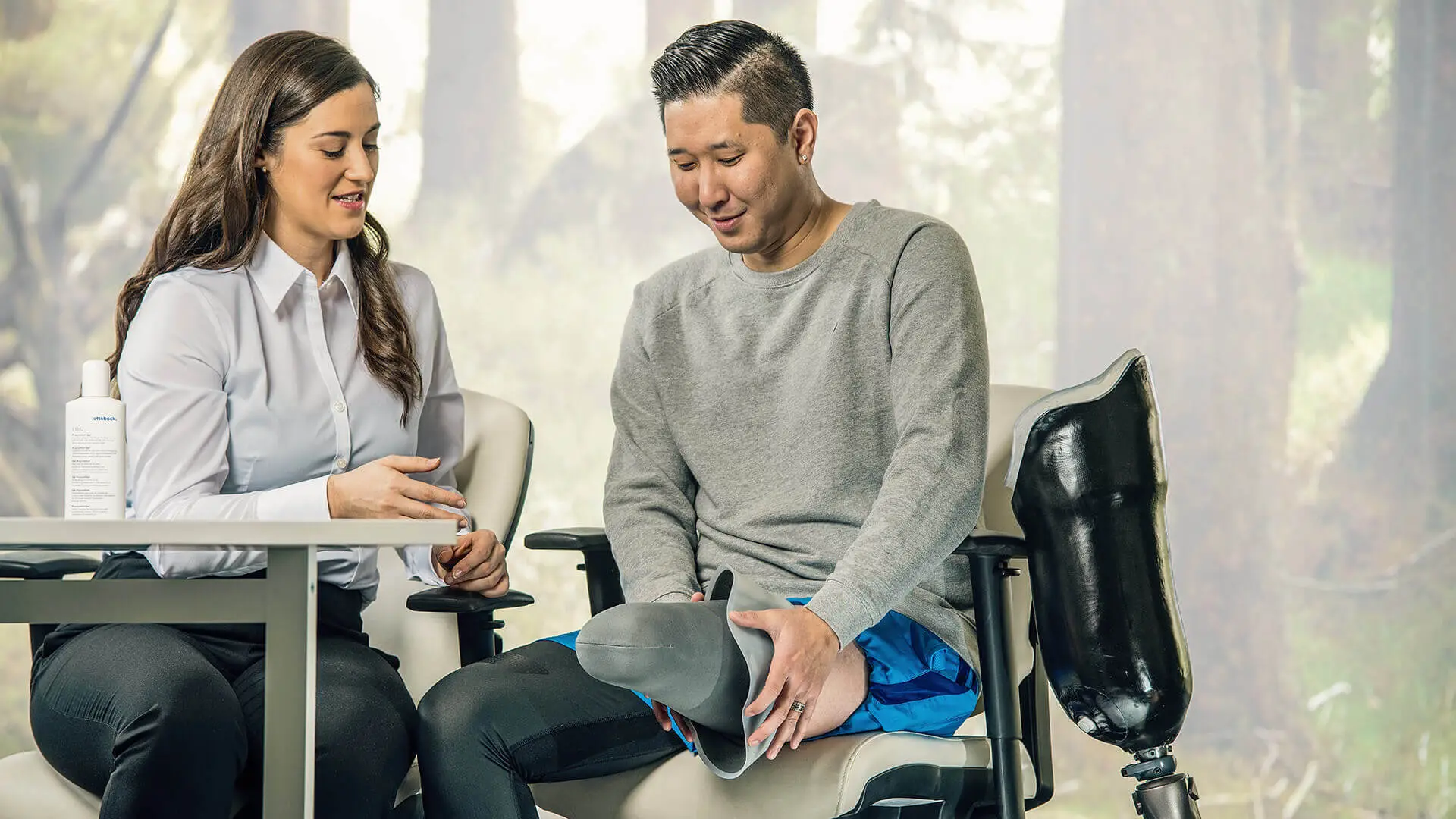
Choosing the right type of prosthetic can be overwhelming. Lawall Prosthetics & Orthotics has highly skilled prosthetists who can help you pick the right prosthetic for you. Call us today if you have any questions regarding microprocessor knees or any other type of prosthetic or orthotic.

Read More
Orthotics 101

Orthotics 101: How Custom Orthotics Improve Daily Life

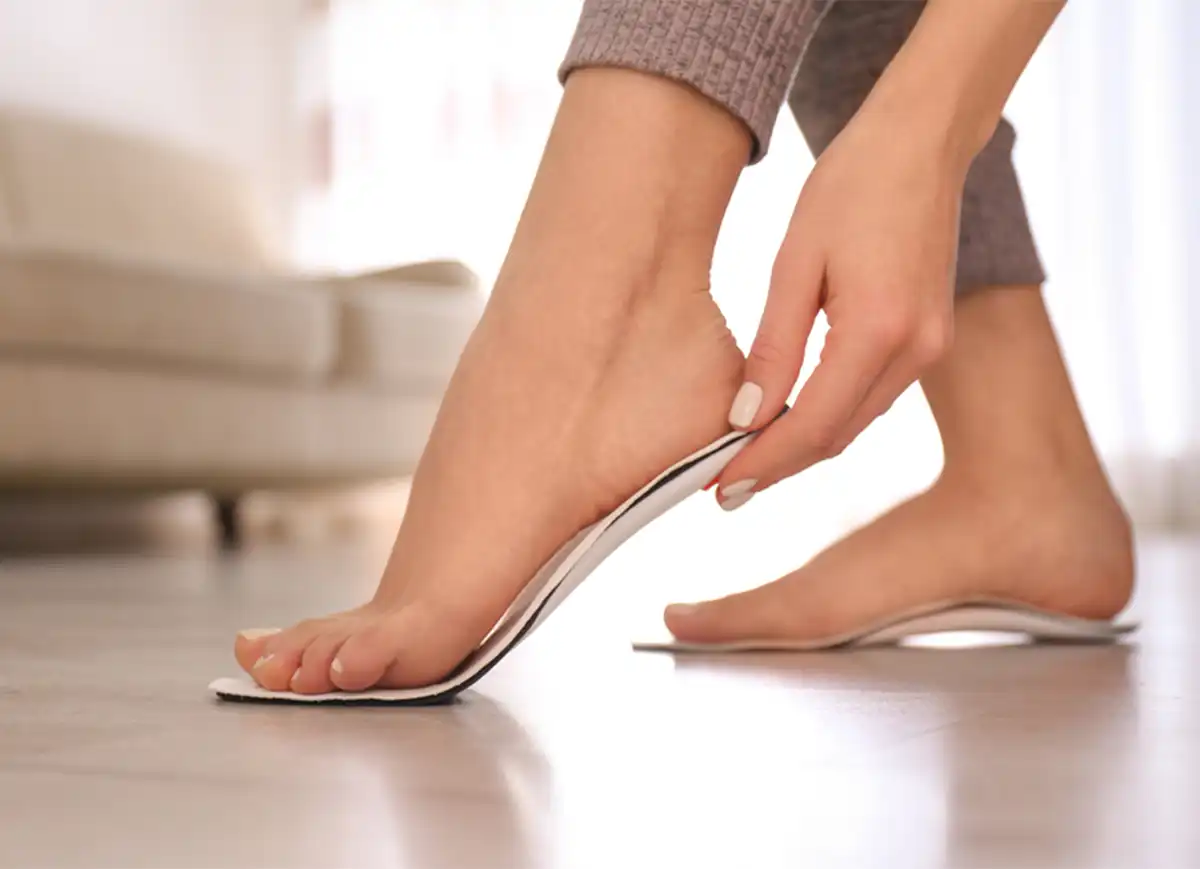
More commonly known as splints, braces, or foot inserts, orthotics are used by those needing extra support. Whether from how their body was born or a condition that builds over the years, orthotics can relieve pain, improve mobility, and increase your quality of life.

Read More
xft g4 01 01

G4 Functional Electrical Stimulation Foot Drop Technology

Foot drop is a common condition experienced by many where an individual is unable to or faces a lot of difficulty lifting the front part of their foot. This can often lead to an increased risk of falling, significantly constraining mobility.

If you have been continuously experiencing foot drop and are looking to improve your altered foot gait and hindered mobility, G4 Functional Electrical Stimulation Foot Drop Technology could be the solution for you.

Read More
Scroll to Top