

Lawall

When to Consider a Cranial Molding Helmet for Your Baby

As a parent, you pay close attention to every detail of your baby’s development. If you’ve noticed a flat spot on your baby’s head, you might be feeling concerned. This is a common situation, and it’s helpful to understand the causes and potential solutions. One of the most effective treatments is a cranial molding helmet, a gentle and safe way to help guide the shape of your baby’s skull as they grow.
At Lawall Prosthetics and Orthotics, we specialize in creating custom cranial remolding orthoses to help correct head shape asymmetries in infants. This guide will walk you through what causes these flat spots, when to consider helmet therapy, and what the process involves. Our goal is to provide you with the information you need to make confident and informed decisions for your child’s well-being.
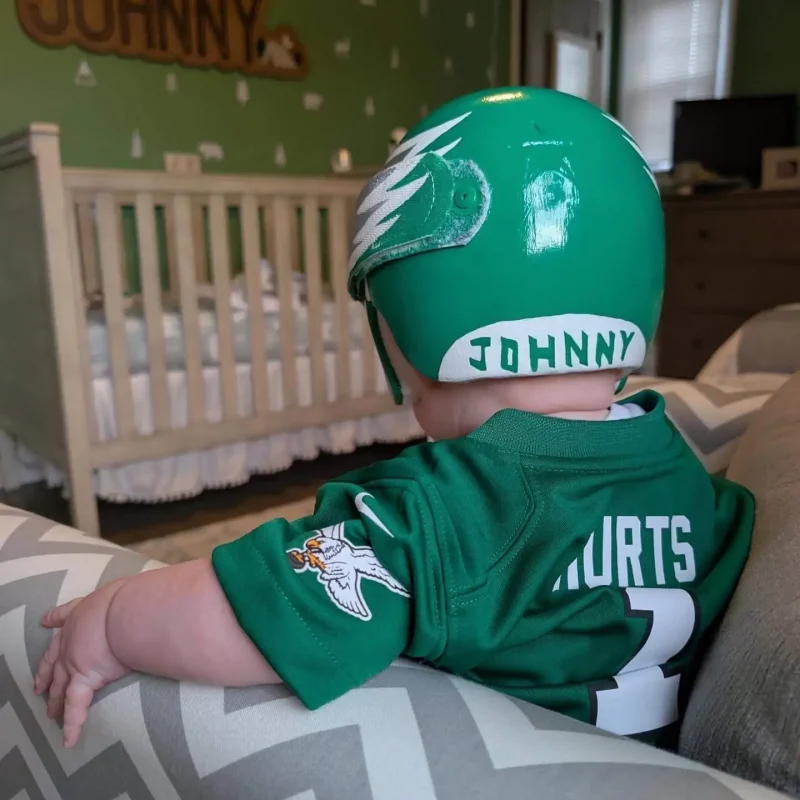
cranial-molding-helmet-Eagles-Johnny
589327263_18348646282201929_2317600263756140580_n
cranial-molding-helmet-Eagles
Plagiocephaly

What Is Plagiocephaly?

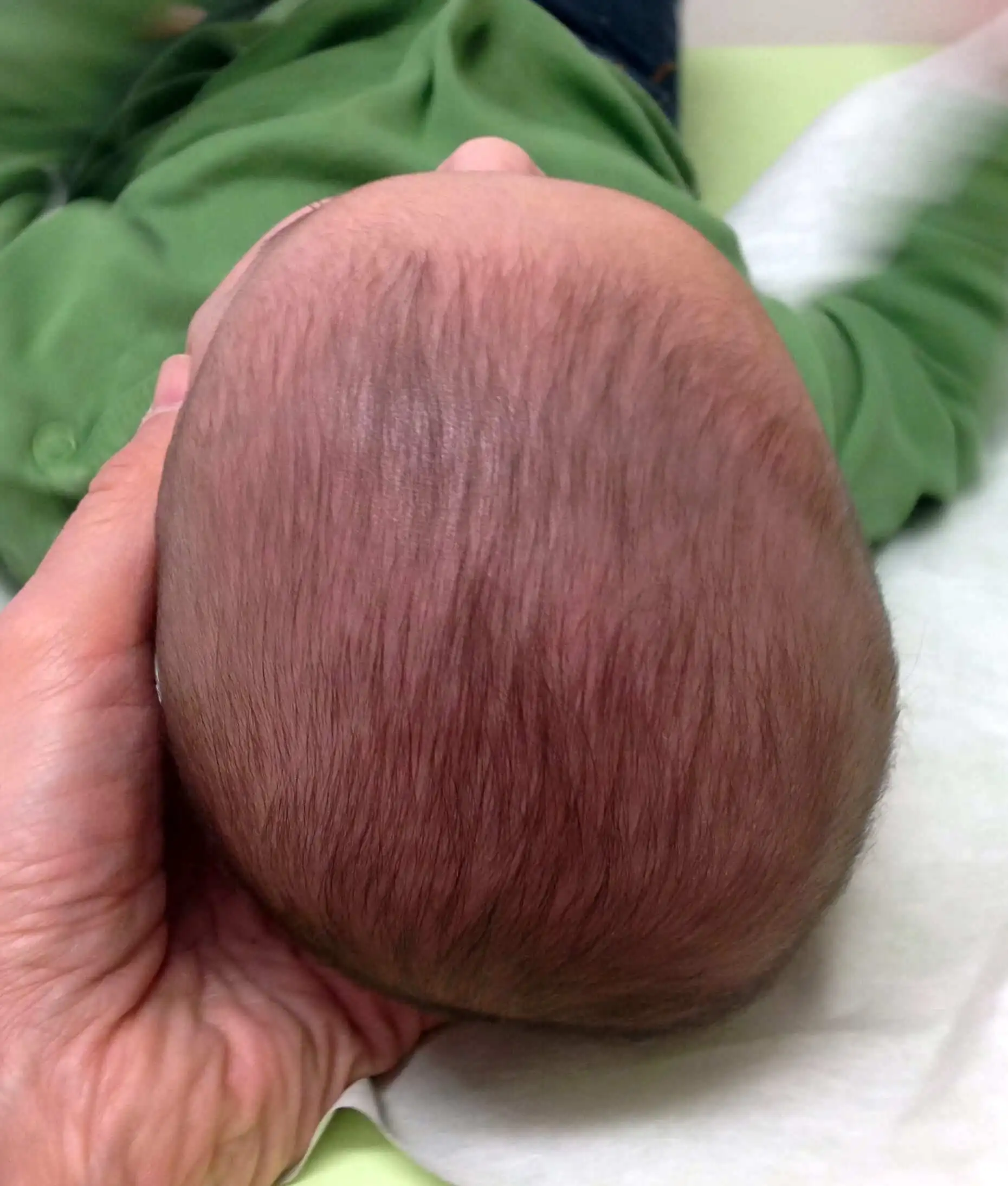
Plagiocephaly, often called “flat head syndrome,” is a condition where an infant’s skull has a flattened or asymmetrical shape. According to Johns Hopkins Medicine, a newborn’s skull is made of soft, pliable plates that gradually harden and fuse together. Sometimes, consistent pressure on one area of the head can cause a flat spot to develop.

The most common causes include:

  • Sleeping position: Since the “Back to Sleep” campaign was introduced to reduce the risk of SIDS, more babies sleep on their backs, which can lead to flattening on the back of the head.
  • Torticollis: Some babies have tight neck muscles (torticollis), causing them to favor turning their head to one side. This consistent positioning can contribute to plagiocephaly.
  • In-utero constraint: Sometimes, a baby’s position in the womb can lead to an uneven head shape at birth.

It’s important to know that positional plagiocephaly is generally not dangerous and does not affect your baby’s brain development. However, if left unaddressed, it can result in a noticeable and permanent asymmetry of the head and face

Cranial Molding Helmets

When to Consider a Cranial Molding Helmet

For many infants, simple conservative measures are enough to correct mild flattening. These often include “tummy time” and repositioning techniques. However, when these methods aren’t sufficient, a cranial molding helmet may be recommended.
The key to successful treatment is timing. The ideal age to begin helmet therapy is between 3 and 6 months. During this period, a baby’s skull is growing rapidly, making it more responsive to the gentle guidance of a helmet. A 2011 study published in Plastic and Reconstructive Surgery found that infants who started helmet therapy before 6 months of age had significantly better outcomes and shorter treatment times compared to those who started later.
If your baby is between 4 and 6 months old and still has significant head flattening after trying repositioning and tummy time, it may be time to discuss helmet therapy with your pediatrician. Early recognition and intervention are crucial for achieving the best possible correction.
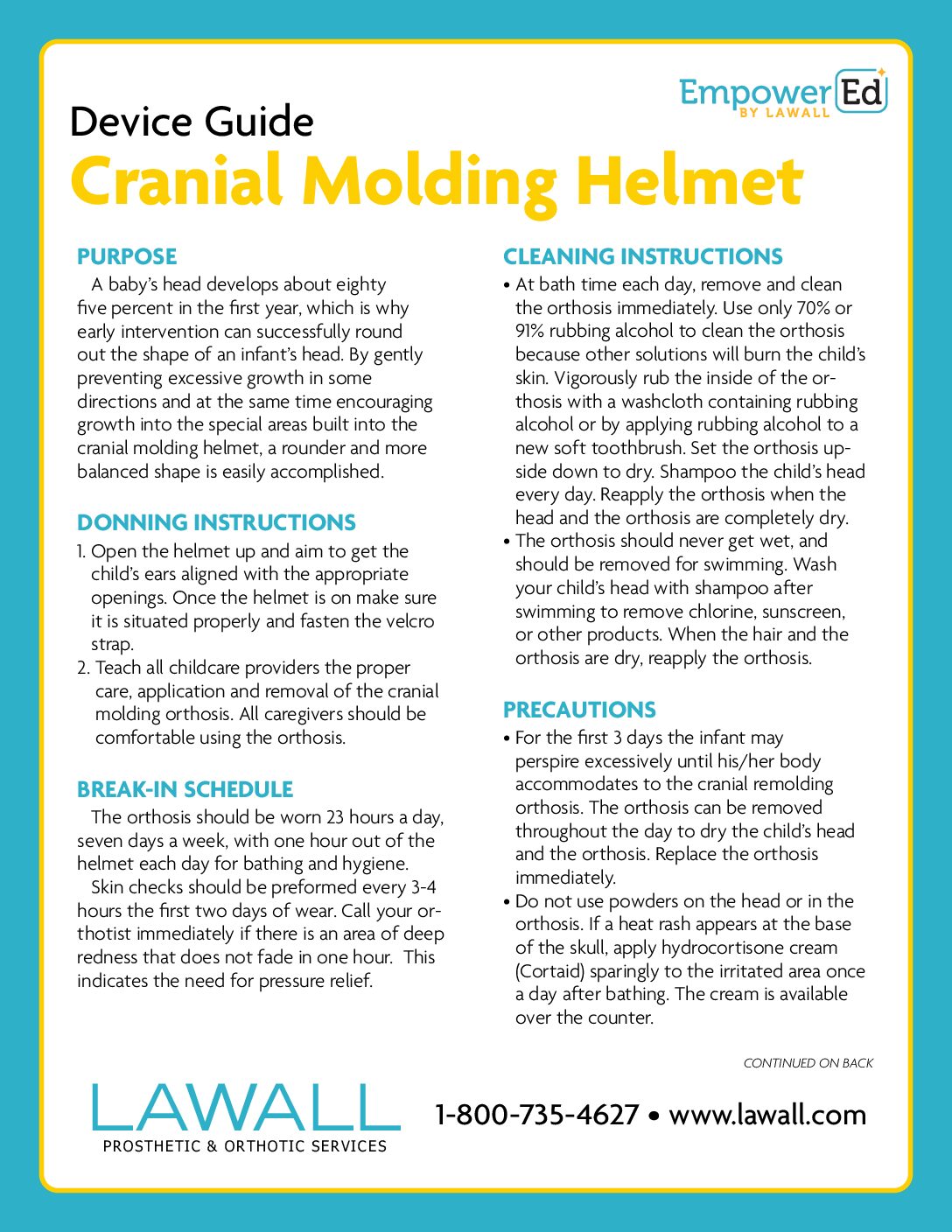
Lawall DG Cranial Helmet proof 01 25 side B combined compressed pdf 1

How Cranial Molding Helmets Work

A cranial molding helmet, also known as a cranial remolding orthosis, is a custom-fitted device designed to correct your baby’s head shape. At Lawall, each helmet is meticulously crafted for your child. The process is straightforward and gentle.

The helmet is worn for about 23 hours a day and is typically removed only for bathing. Most parents are relieved to find that the helmet is not uncomfortable for their baby. The average duration of treatment is around three months, though this can vary depending on the baby’s age and the severity of the condition. Throughout the treatment period, we will schedule regular appointments to make adjustments to the helmet, ensuring it continues to fit perfectly as your baby grows.
Cranial Molding Helmet

The Benefits of Early Intervention

Starting helmet therapy at the optimal time offers significant advantages. As supported by research, early intervention typically leads to:
 
  • Shorter Treatment Duration: Babies who start treatment earlier often complete their therapy in less time. The rapid skull growth in younger infants allows for quicker correction.
  • Better Outcomes: Early treatment is more effective at correcting asymmetry. The same 2011 study noted that infants treated before 6 months achieved a greater degree of correction than those treated later.
 
By addressing plagiocephaly early, you can give your child the best chance for a successful and efficient treatment journey.
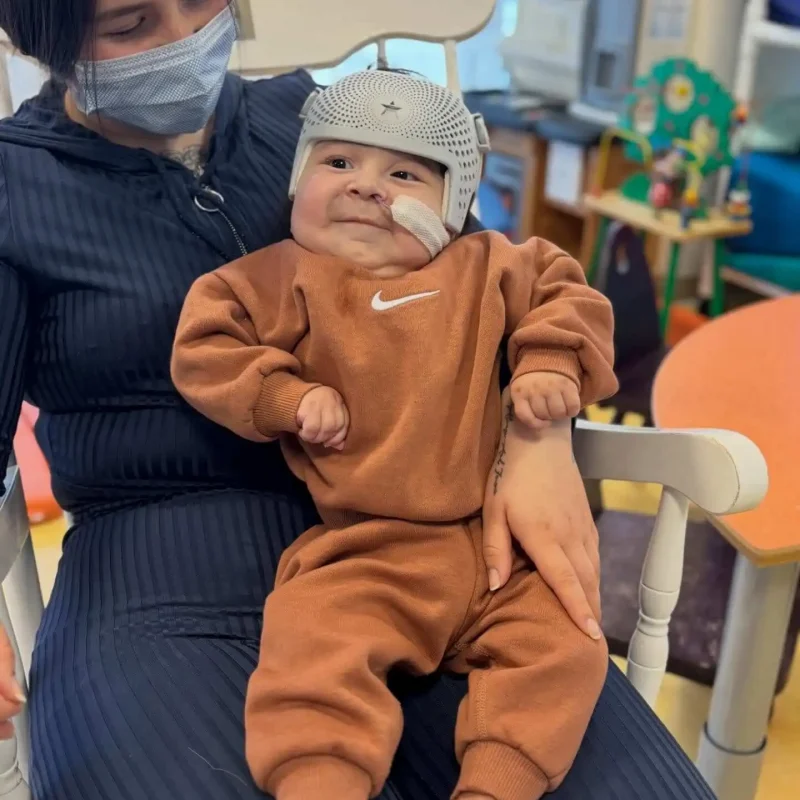
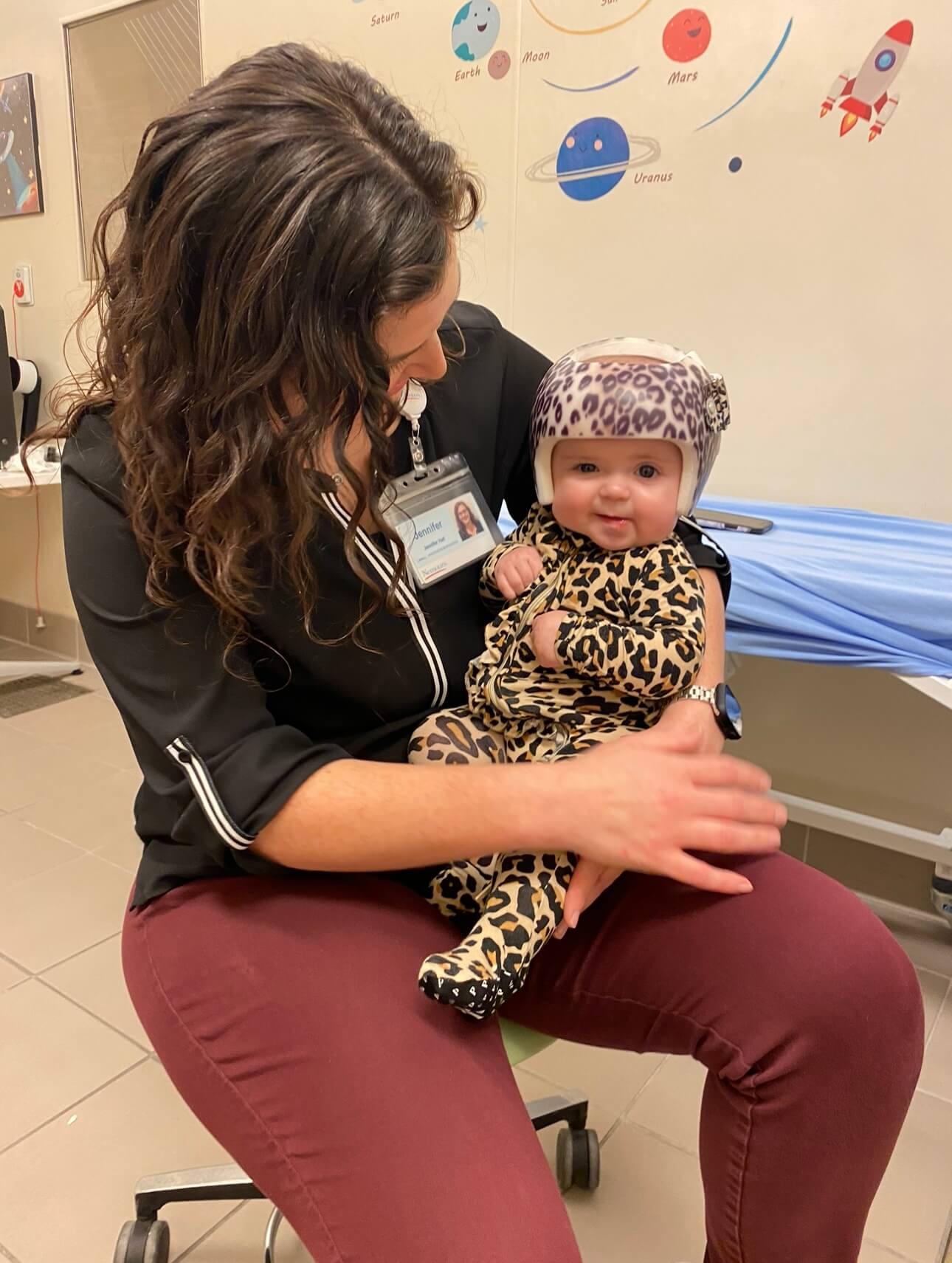
Child with a cranial molding helmet

What to Do If You Notice Plagiocephaly

If you have concerns about the shape of your baby’s head, the first step is to speak with your pediatrician. They can provide a diagnosis and recommend the best course of action.

Here’s a typical path forward:

  1. Consult Your Pediatrician: Your doctor will examine your baby’s head and may take measurements to assess the degree of asymmetry.
  2. Try Conservative Measures: For mild cases, your pediatrician will likely recommend repositioning techniques and increased supervised tummy time to strengthen neck muscles and relieve pressure on the flattened area.
  3. Seek a Specialist Referral: If the flattening is moderate to severe or doesn’t improve with conservative measures, your pediatrician may refer you to a specialist, such as a pediatric neurosurgeon or a certified orthotist like us at Lawall Prosthetics and Orthotics. A specialist can perform a more detailed evaluation and determine if a cranial helmet is the right choice.

Your Partner in Your Child's Health

Deciding on helmet therapy is a personal choice made in partnership with your healthcare provider. While it is a cosmetic treatment, it can make a significant difference in your child’s appearance and self-confidence as they grow. At Lawall Prosthetics and Orthotics, we are dedicated to providing expert care and support to you and your family throughout this process.

If you have questions about cranial molding helmets or would like to schedule a consultation, we encourage you to speak with your pediatrician for a referral. Early detection and proactive care are the most effective tools for ensuring the best possible outcome for your child.

Related Posts

4991312

The Future is Here: Top Advancements in Prosthetic Technology

Technological advancement has continued to explode as the decades pass, with something new and exciting growing weekly. The field of prosthetics has not been immune to these improvements, either, seeing significant advancements that improve not only the accessibility of prosthetics but also their capability and safety.

Read More
prosthetic Lawall

Microprocessor knees – Everything you need to know

Choosing the right type of prosthetic can be overwhelming. Lawall Prosthetics & Orthotics has highly skilled prosthetists who can help you pick the right prosthetic for you. Call us today if you have any questions regarding microprocessor knees or any other type of prosthetic or orthotic.

Read More
Orthotics 101

Orthotics 101: How Custom Orthotics Improve Daily Life

More commonly known as splints, braces, or foot inserts, orthotics are used by those needing extra support. Whether from how their body was born or a condition that builds over the years, orthotics can relieve pain, improve mobility, and increase your quality of life.

Read More
xft g4 01 01

G4 Functional Electrical Stimulation Foot Drop Technology

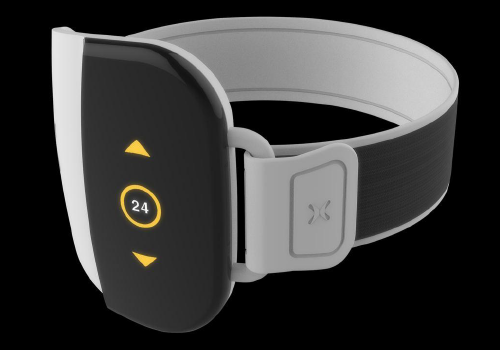
Foot drop is a common condition experienced by many where an individual is unable to or faces a lot of difficulty lifting the front part of their foot. This can often lead to an increased risk of falling, significantly constraining mobility.

If you have been continuously experiencing foot drop and are looking to improve your altered foot gait and hindered mobility, G4 Functional Electrical Stimulation Foot Drop Technology could be the solution for you.

Read More
Scroll to Top