Lawall

How to Manage Sweating in Your Prosthesis

Sweating is a natural part of life. For prosthesis users, however, it presents a set of unique challenges that go well beyond discomfort. Excessive moisture trapped inside a prosthetic socket can cause skin breakdown, increase infection risk, affect socket fit, and limit daily activity. For many amputees, it’s one of the most persistent and disruptive issues they face.
 
Research shows that up to 70% of amputees consider sweating to be a significant problem, and nearly two-thirds report that it interferes with their daily activities. That’s a substantial portion of the prosthetic community dealing with something that, with the right strategies and tools, can be meaningfully managed.
 
This guide covers the full picture from why amputees sweat more, to the most effective clinical, technological, and daily management solutions available today.
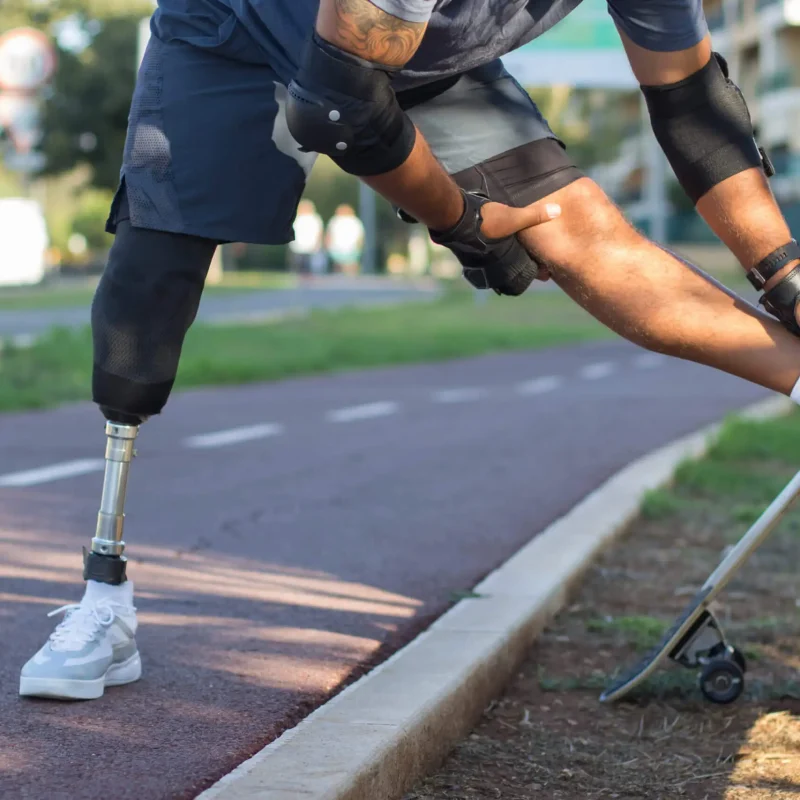
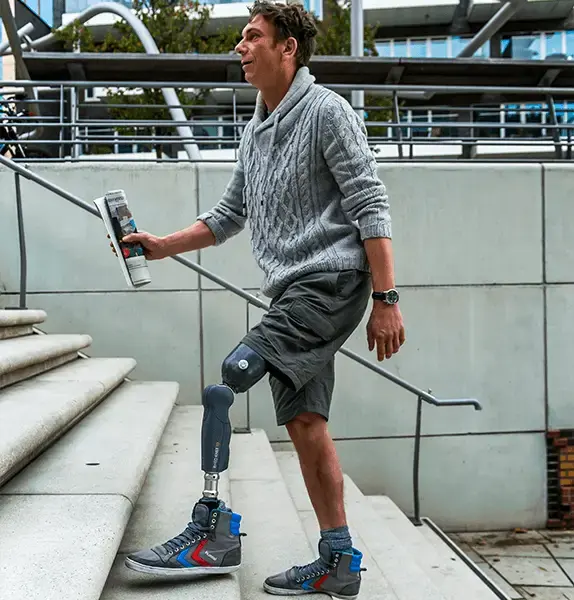
Sportsman with mechanical leg getting ready for training. Man in sport clothes stretching in park on summer day.
Dan-scaled
Post Amputation Procedure
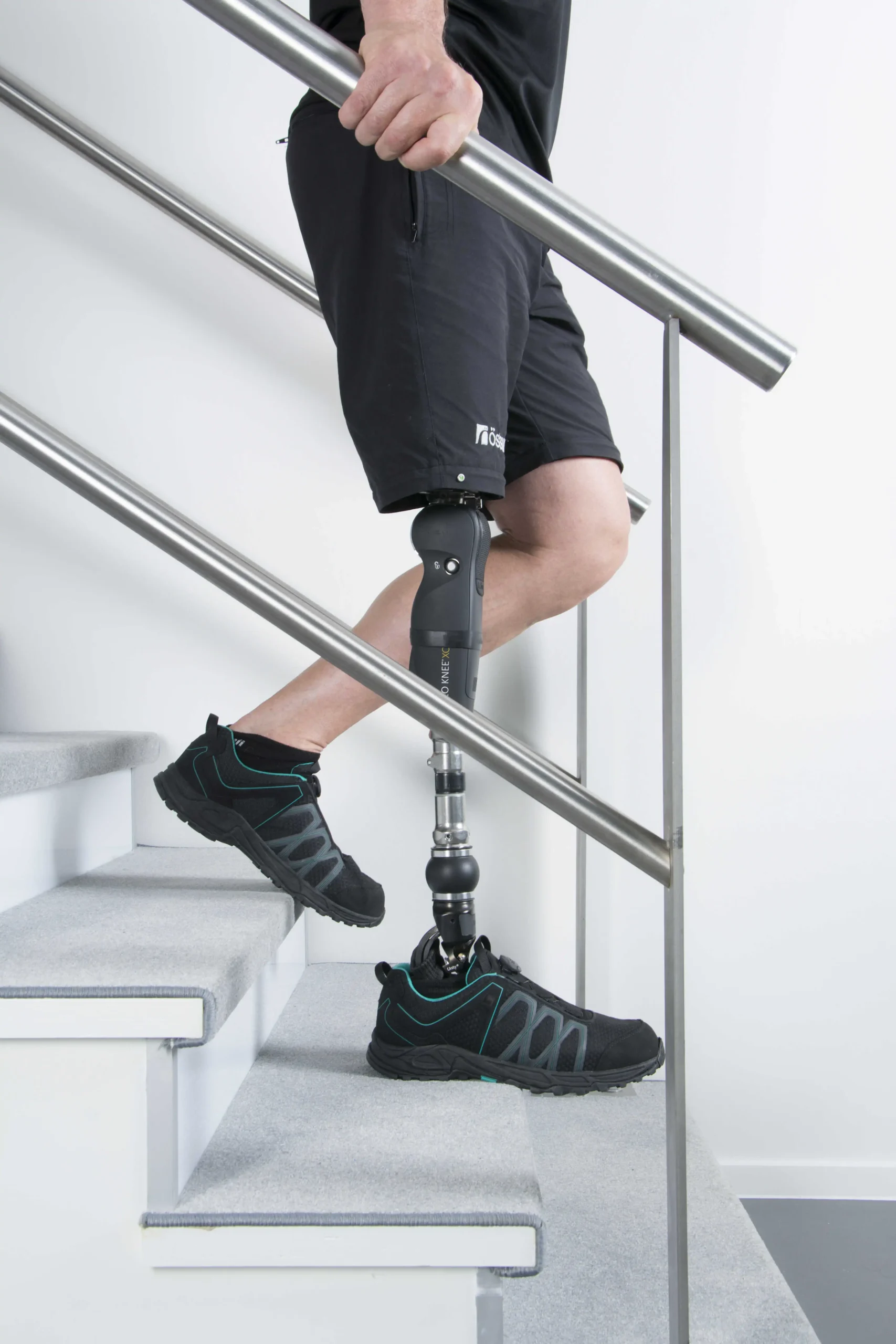
rheo knee xc lifestyle image rf803h scaled

Why Do Amputees Sweat More?

Understanding the root causes of excessive sweating in prosthesis users is the first step toward addressing it effectively.

Two key physiological factors are at play. First, amputation reduces the body’s total skin surface area by approximately 10–15%. To compensate for this reduced surface area and still regulate body temperature, the remaining skin works harder producing more sweat than it otherwise would.

Second, walking with a prosthesis requires significantly more energy than able-bodied ambulation. Below-knee amputees use 10–40% more energy during daily tasks, and this figure is even higher for above-knee amputees. Greater energy output means a higher core body temperature and more sweat to cool it down.

Compounding both factors is the prosthesis itself. Liners, socks, and suspension sleeves are necessary components of most lower-limb prostheses, but they create layers of non-breathable material that trap heat against the residual limb. Sweat builds up, cannot evaporate, and creates a warm, moist environment that weakens the skin and encourages bacterial growth.

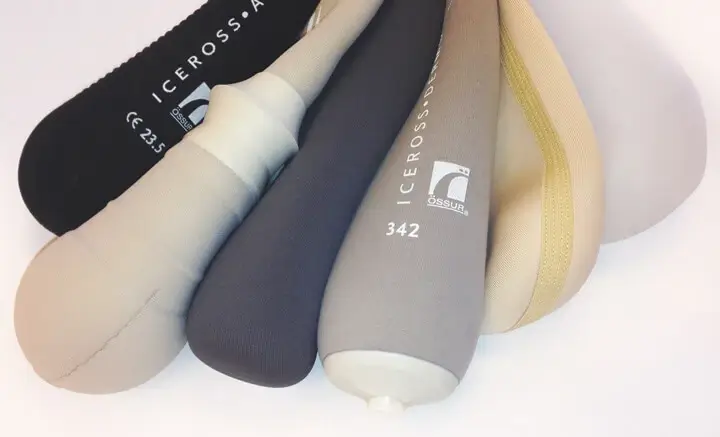
MCOP prosthetic liners

The Science of Sweat:
Liners and Heat Buildup

Most lower-limb amputees wear a prosthetic liner directly over their residual limb.

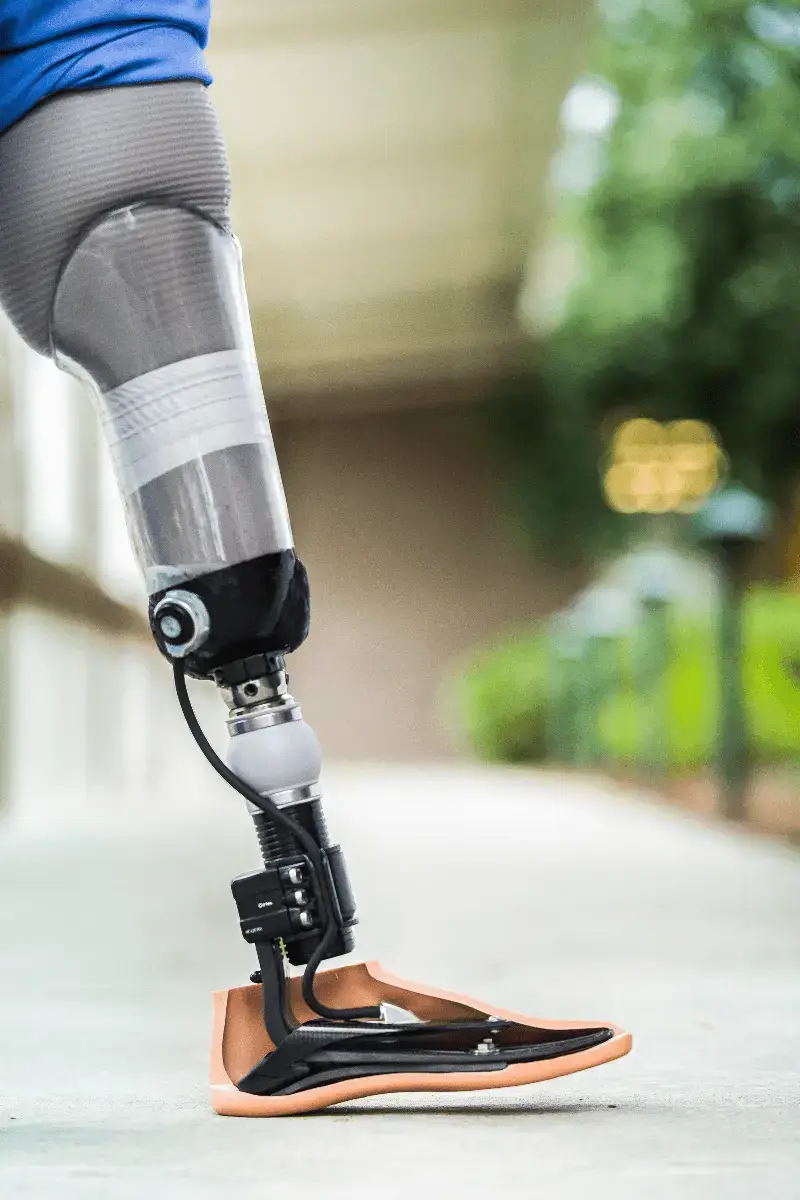
These liners are typically made from silicone, urethane, or mineral oil gel which provide cushioning and protection. Over the liner, prosthetic socks of varying thickness are worn to fine-tune socket fit, and a suspension sleeve spans from the socket up toward the thigh to keep the prosthesis securely in place.

Each of these layers adds insulation. Together, they create a sealed environment where heat and moisture accumulate rapidly. Since the materials are not breathable, sweat cannot evaporate from the skin’s surface. This sustained moisture softens the skin and raises its susceptibility to injury. Research has shown that wet skin is significantly more prone to blistering than dry skin, and that sweat accumulation contributes to irritation even beyond the risk of infection.

Left unmanaged, the consequences can be serious. Ranging from chafing and rashes to open wounds and infections that require the prosthesis to be removed entirely.

Professional Fitting: The Foundation of Sweat Management

Before exploring products or treatments, it’s worth emphasizing that the single most effective strategy for managing perspiration is ensuring a well-fitted prosthesis.
 
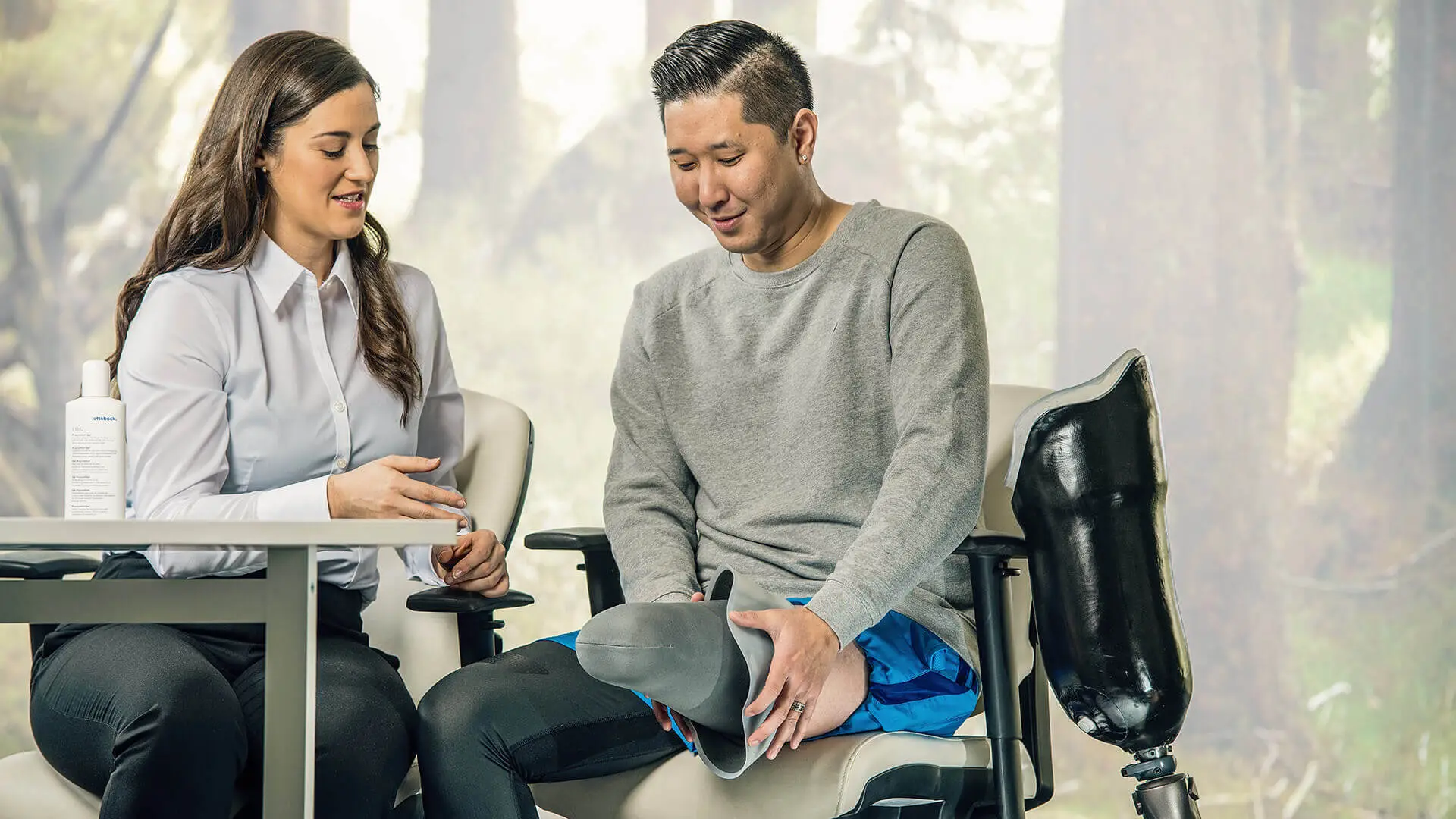
At Lawall Prosthetics & Orthotics, we have found that achieving an optimal socket fit is one of the most effective ways to minimize perspiration issues within the prosthesis. An intimately fitting socket reduces friction, and when friction is reduced, there is typically less sweat buildup. Our team prioritizes precision in each fitting to ensure your socket supports comfortable, secure movement while helping you avoid the complications that excess moisture can cause.
 
This means scheduling regular follow-ups with your prosthetist every 3–6 months, checking that your supplies are in good condition, and promptly addressing any changes in residual limb volume. A socket that fits well reduces unnecessary movement, minimizes friction, and creates far fewer opportunities for sweat to accumulate and cause harm.
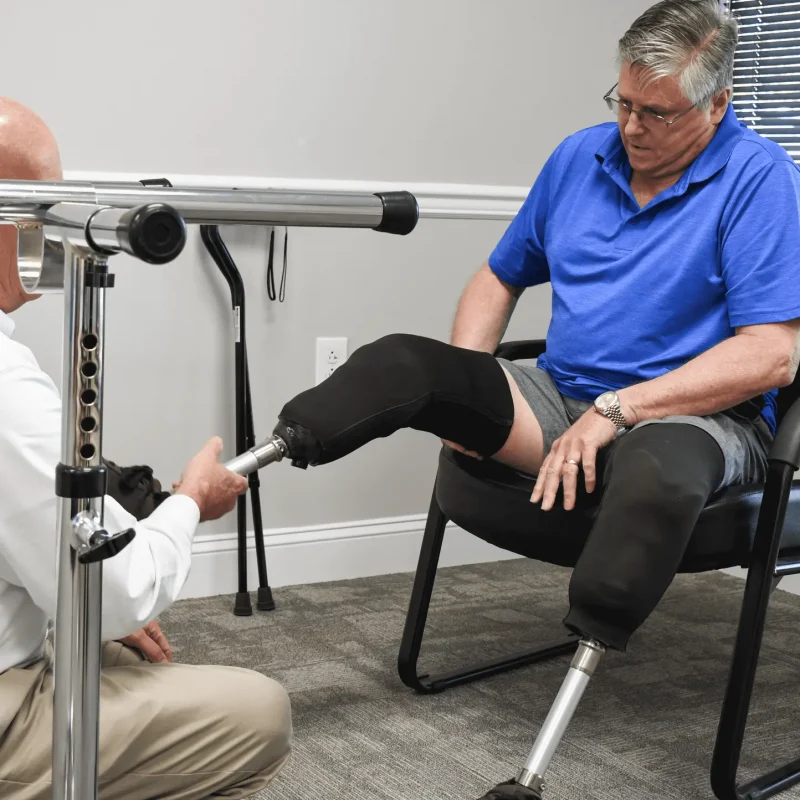
prosthetist listening to patient
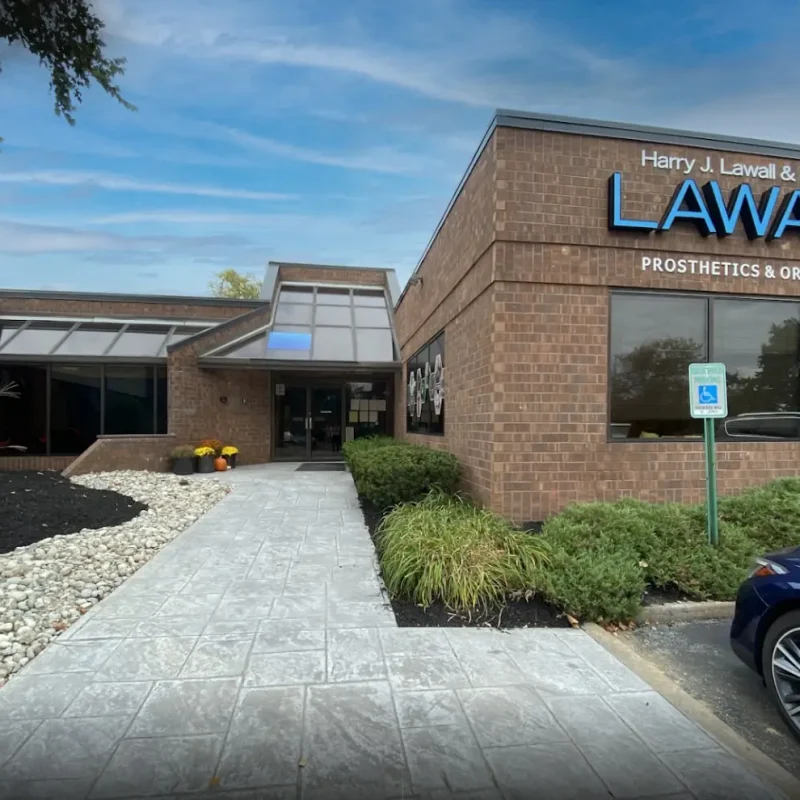
Lawall Prosthetics & Orthotics in Langhorne Pennsylvania
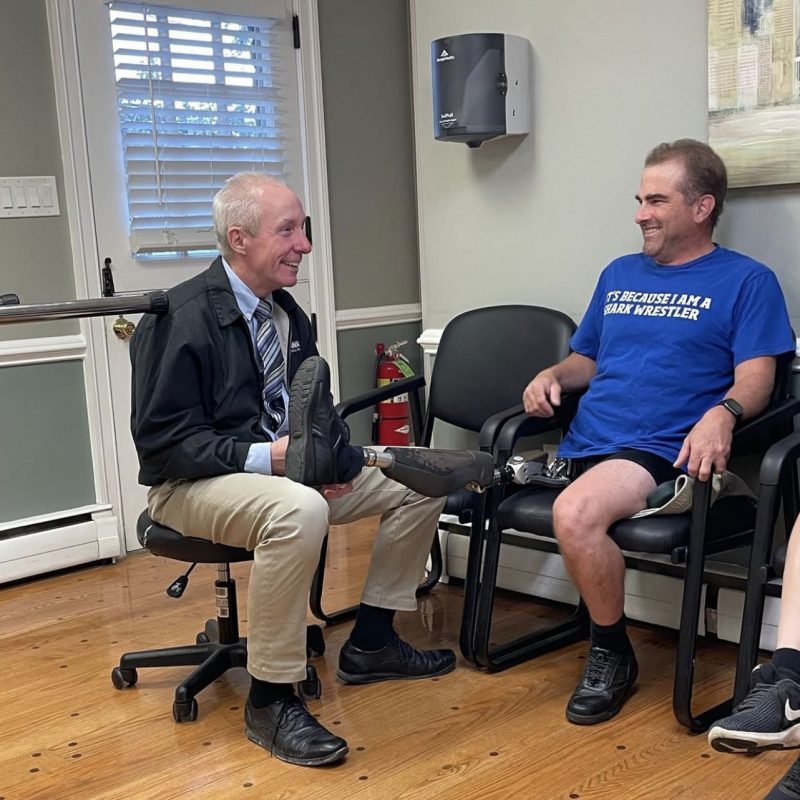
Patient at Lawall Prosthetics and Orthotics

Advanced Liner Technology: Perforated Liners

For many years, the only liner options available were non-perforated designs that, while protective, actively worsened the heat and moisture problem. That has changed.

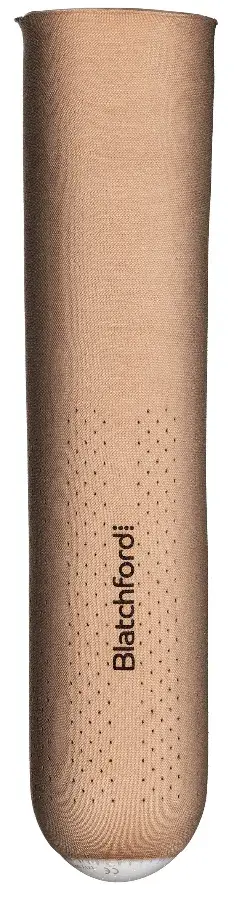
Both Blatchford’s Silcare Breathe liner and WillowWood’s Alpha SmartTemp Silicone liner represent important advances in prosthetic sweat management. These products utilize innovative technologies to address heat and moisture buildup within the socket.

The Silcare Breathe liner features laser-drilled perforations spaced across the liner’s surface that allow sweat to escape from the skin. When used with a one-way valve in the prosthetic socket, moisture is expelled from both between the skin and liner, and between the liner and socket, helping maintain drier and healthier skin.

Similarly, WillowWood’s Alpha SmartTemp Silicone liner incorporates phase change materials (PCMs) that absorb, store, and release heat to regulate the limb’s microclimate. This approach helps delay the onset of sweating and is proven to reduce perspiration by up to 25%, supporting optimal thermal comfort and improved limb health.

Both options provide meaningful solutions for managing residual limb perspiration. Speaking to your prosthetist about advanced liner technologies—such as perforated or temperature-regulating liners—can be an effective step toward greater comfort and skin protection.

The clinical results are compelling. In a study published in the Canadian Prosthetics & Orthotics Journal, patients using the Silcare Breathe perforated liner reported 61.8% less sweat on their residual limb compared to those using standard non-perforated liners. They also experienced significantly fewer skin issues, less frequent residual and phantom limb pain, and were limited in their daily activities on far fewer days (1.4 days vs. 75.4 days per year).

In a separate case study, competitive cyclist and runner Charlie Lewis rode for 10 minutes with a standard liner and then with the Silcare Breathe. His residual limb was 35.6°C cooler after using the perforated liner, with significantly less perspiration on the skin surface.

For those dealing with persistent sweating issues, speaking to your prosthetist about a perforated liner could be a meaningful step forward.


Daily Management Tips

Alongside proper fitting and advanced liner technology, a consistent daily routine plays a significant role in controlling moisture.
Ossur Rheo Knee 1

Use Clinical-Strength Antiperspirants

Over-the-counter and prescription antiperspirants can be a helpful part of reducing sweat production on the residual limb. At Lawall Prosthetics & Orthotics, we recommend choosing a fragrance-free, clinical-strength antiperspirant and applying it overnight to allow the active ingredients sufficient time to absorb before you put on your prosthesis in the morning. This method often leads to noticeably less moisture buildup throughout the day, improving comfort and helping to protect your skin.

Wear Moisture-Wicking Clothing and Textiles

Breathable, moisture-wicking fabrics draw sweat away from the skin rather than trapping it. Wearing lightweight athletic clothing or carrying a change of clothes can help you stay more comfortable throughout the day, particularly during warmer months or physical activity.

Maintain a Rigorous Hygiene Routine

Cleaning your prosthetic socket, liners, and socks daily is essential. Use mild soap and water, and allow all components to dry thoroughly before reapplying the prosthesis. A damp liner applied to a residual limb that has not been properly dried creates exactly the conditions that lead to skin breakdown. On particularly hot days or after physical activity, removing the prosthesis briefly to towel dry the limb can provide meaningful relief.
4991312

Specialized Accessories for Moisture Control

A range of prosthetic accessories are specifically designed to help manage sweat. Each addresses a slightly different aspect of the problem.
 
  • Prosthetic sheaths: Thin nylon or antimicrobial sheaths worn under the liner help circulate air and wick moisture away from the skin. Ensure there are no wrinkles when applying a sheath, as even small folds can cause skin breakdown.
  • Moisture-wicking prosthetic socks: Specially designed socks worn over the liner can absorb and manage perspiration while also adjusting socket fit as limb volume fluctuates.
  • Powders and lotions: Amputee-specific powders and lubricants help absorb moisture and reduce friction within the socket. A light application of baby powder can be effective, though care should be taken not to over-apply.
  • Liner drying stands: Allowing liners to dry fully between uses prevents moisture from re-introducing bacteria during the next wear.
Ossur Unity Sleeveless Vacuum System

Medical and Technical Solutions

For cases where daily management strategies and advanced liners are not sufficient, clinical interventions offer additional options.

Vacuum-Assisted Socket Systems

Vacuum sockets use negative pressure to actively draw air and moisture out of the socket. This creates a more stable suspension environment while simultaneously reducing the buildup of sweat at the skin interface. For individuals with moderate to severe perspiration issues, a vacuum system may significantly improve both comfort and skin health.

Botox Injections

In more severe cases, physicians may recommend Botulinum Toxin (Botox) injections to reduce sweat gland activity at the residual limb. Research has demonstrated that intradermal Botox injections can effectively reduce residual limb hyperhidrosis in amputees. As with any medical treatment, this option has its own indications and contraindications, and should only be pursued in consultation with a physician and your prosthetist.

A Path to Greater Comfort and Better Limb Health

Managing sweat in a prosthesis is rarely solved with a single product or strategy. The most successful outcomes come from a layered approach, starting with proper socket fit and professional follow-up, supported by the right liner technology, a consistent hygiene routine, and targeted accessories or medical interventions where needed.

The good news is that there are more effective tools available today than ever before. If sweating is currently affecting your comfort, your skin health, or your daily activity, bring it up at your next clinical appointment. A conversation with your prosthetist could open the door to solutions that make a genuine difference and help you stay active without compromise.

Related Posts

Orthotics​

Why Custom Orthotic Design Matters for Your Health

Technological advancement has continued to explode as the decades pass, with something new and exciting growing weekly. The field of prosthetics has not been immune to these improvements, either, seeing significant advancements that improve not only the accessibility of prosthetics but also their capability and safety.

Read More
Cronin family 796x531 1

“I’m Walking!” Lawall Patient Sets Record with New C-Brace Technology

From the time he was a young child who experienced a playground incident that gave him whiplash and a neck injury, Jerry Cronin had also been subject to periods of lower back pain that he took in stride, as a normal part of life. But increasing problems with herniated disks and more frequent bouts of increasingly intense pain through his teens and college years finally brought him, at age 35, to emergency surgery, partial paralysis, and the opportunity to become the youngest individual to try out a state of the art orthotronic solution–-and one that worked beyond his most hopeful expectations!

Read More
file 5 1

Adapt! Overcome!

Kenneth L. Scott, Sgt. USMC Retired, is also a 100% Disabled War Veteran who fought in the Gulf War during Desert Shield/Desert Storm, was stationed in the Philippines during the 1989 Philippine coup, and has completed intense training and missions all over the world. As a result, he has already grappled with a variety of challenges and medical issues, including neurological damage, exposure to NBC (Nuclear Biological and Chemical) warfare and blunt force trauma that resulted in total blindness in his right eye. No stranger to adversity, Scott casually dismisses those trials as “a lot of mini-surgeries—just way too many things to count”—and is enthusiastic about telling a tale of triumph, instead.

Read More
file 47 1 e1738258247484

Grace Corbitt: One-of-a-Kind Patient; One-of-a-Kind Orthosis

Although every patient is unique, with individual issues, conditions, preferences and needs like no other, Pennsylvania hairdresser Grace Corbitt presented Lawall orthotist Juan Cave with a challenge that required him to think even further outside the box than usual in developing a custom designed orthotic solution.

Read More
Scroll to Top