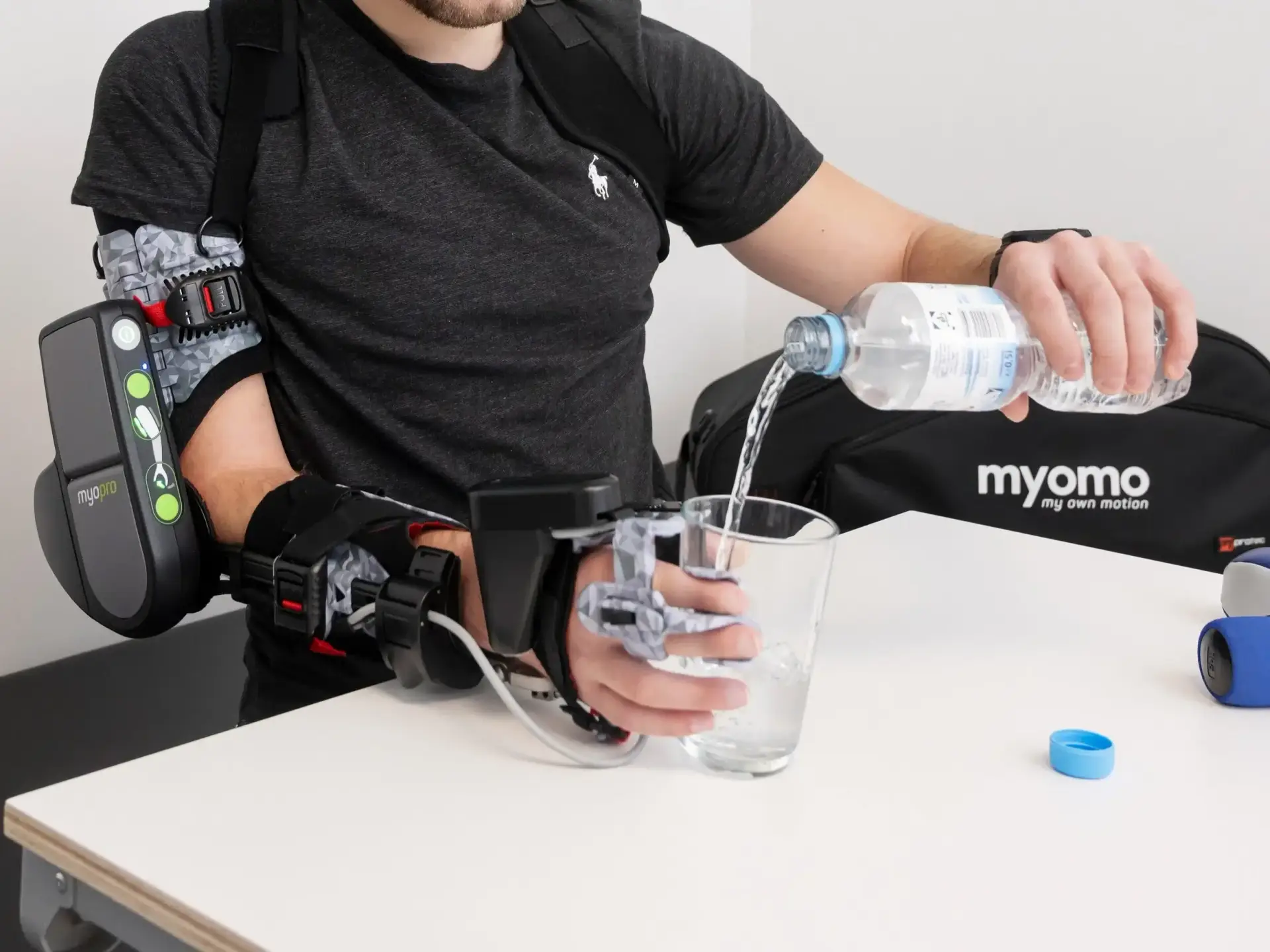
Regaining Arm Function After Stroke: How the MyoPro Orthosis Works
The MyoPro is a myoelectric powered arm and hand orthosis, originally developed at MIT with Harvard Medical School, that reads a wearer’s own muscle signals through the skin

Understanding the root causes of excessive sweating in prosthesis users is the first step toward addressing it effectively.
Two key physiological factors are at play. First, amputation reduces the body’s total skin surface area by approximately 10–15%. To compensate for this reduced surface area and still regulate body temperature, the remaining skin works harder producing more sweat than it otherwise would.
Second, walking with a prosthesis requires significantly more energy than able-bodied ambulation. Below-knee amputees use 10–40% more energy during daily tasks, and this figure is even higher for above-knee amputees. Greater energy output means a higher core body temperature and more sweat to cool it down.
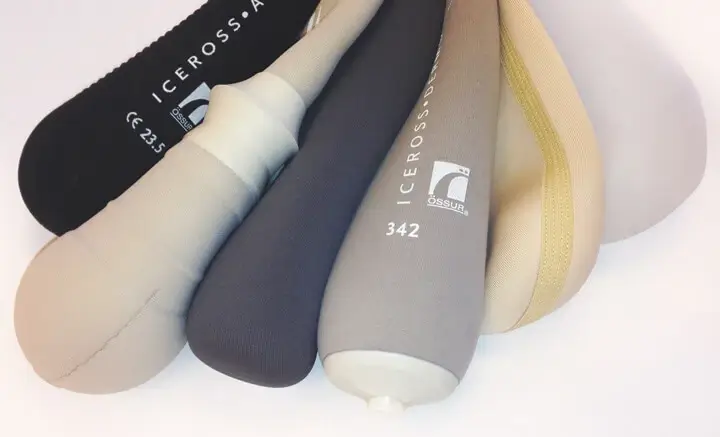
Compounding both factors is the prosthesis itself. Liners, socks, and suspension sleeves are necessary components of most lower-limb prostheses, but they create layers of non-breathable material that trap heat against the residual limb. Sweat builds up, cannot evaporate, and creates a warm, moist environment that weakens the skin and encourages bacterial growth.
Most lower-limb amputees wear a prosthetic liner directly over their residual limb.
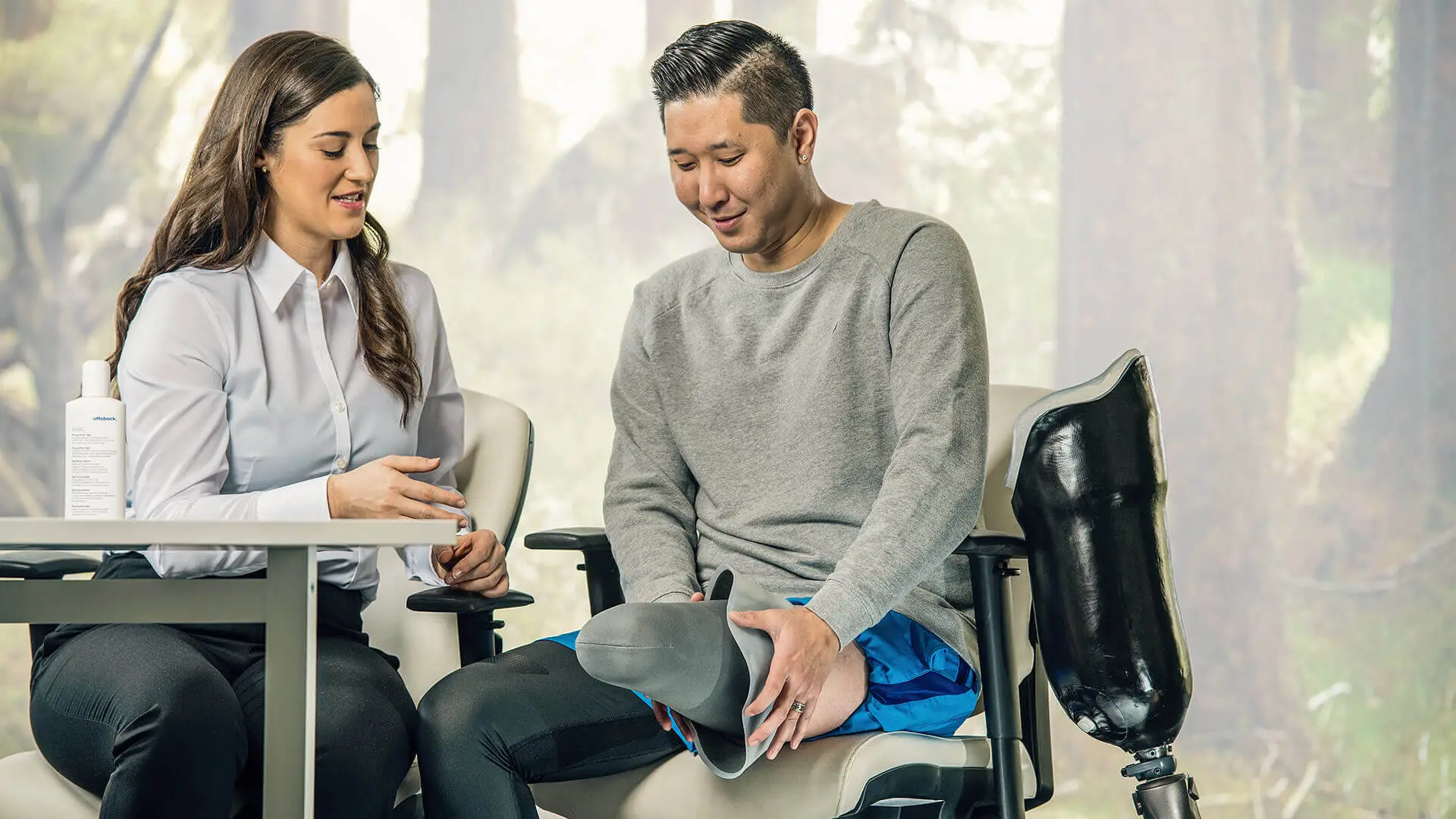
These liners are typically made from silicone, urethane, or mineral oil gel which provide cushioning and protection. Over the liner, prosthetic socks of varying thickness are worn to fine-tune socket fit, and a suspension sleeve spans from the socket up toward the thigh to keep the prosthesis securely in place.
Each of these layers adds insulation. Together, they create a sealed environment where heat and moisture accumulate rapidly. Since the materials are not breathable, sweat cannot evaporate from the skin’s surface. This sustained moisture softens the skin and raises its susceptibility to injury. Research has shown that wet skin is significantly more prone to blistering than dry skin, and that sweat accumulation contributes to irritation even beyond the risk of infection.
Left unmanaged, the consequences can be serious. Ranging from chafing and rashes to open wounds and infections that require the prosthesis to be removed entirely.
For many years, the only liner options available were non-perforated designs that, while protective, actively worsened the heat and moisture problem. That has changed.
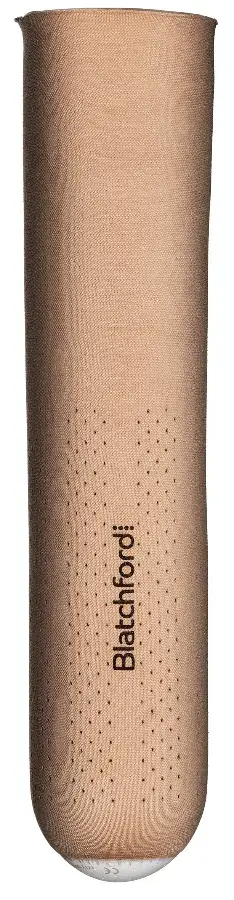
Both Blatchford’s Silcare Breathe liner and WillowWood’s Alpha SmartTemp Silicone liner represent important advances in prosthetic sweat management. These products utilize innovative technologies to address heat and moisture buildup within the socket.
The Silcare Breathe liner features laser-drilled perforations spaced across the liner’s surface that allow sweat to escape from the skin. When used with a one-way valve in the prosthetic socket, moisture is expelled from both between the skin and liner, and between the liner and socket, helping maintain drier and healthier skin.
Similarly, WillowWood’s Alpha SmartTemp Silicone liner incorporates phase change materials (PCMs) that absorb, store, and release heat to regulate the limb’s microclimate. This approach helps delay the onset of sweating and is proven to reduce perspiration by up to 25%, supporting optimal thermal comfort and improved limb health.
Both options provide meaningful solutions for managing residual limb perspiration. Speaking to your prosthetist about advanced liner technologies—such as perforated or temperature-regulating liners—can be an effective step toward greater comfort and skin protection.
The clinical results are compelling. In a study published in the Canadian Prosthetics & Orthotics Journal, patients using the Silcare Breathe perforated liner reported 61.8% less sweat on their residual limb compared to those using standard non-perforated liners. They also experienced significantly fewer skin issues, less frequent residual and phantom limb pain, and were limited in their daily activities on far fewer days (1.4 days vs. 75.4 days per year).
In a separate case study, competitive cyclist and runner Charlie Lewis rode for 10 minutes with a standard liner and then with the Silcare Breathe. His residual limb was 35.6°C cooler after using the perforated liner, with significantly less perspiration on the skin surface.
For those dealing with persistent sweating issues, speaking to your prosthetist about a perforated liner could be a meaningful step forward.
Over-the-counter and prescription antiperspirants can be a helpful part of reducing sweat production on the residual limb. At Lawall Prosthetics & Orthotics, we recommend choosing a fragrance-free, clinical-strength antiperspirant and applying it overnight to allow the active ingredients sufficient time to absorb before you put on your prosthesis in the morning. This method often leads to noticeably less moisture buildup throughout the day, improving comfort and helping to protect your skin.
For cases where daily management strategies and advanced liners are not sufficient, clinical interventions offer additional options.
Vacuum sockets use negative pressure to actively draw air and moisture out of the socket. This creates a more stable suspension environment while simultaneously reducing the buildup of sweat at the skin interface. For individuals with moderate to severe perspiration issues, a vacuum system may significantly improve both comfort and skin health.
In more severe cases, physicians may recommend Botulinum Toxin (Botox) injections to reduce sweat gland activity at the residual limb. Research has demonstrated that intradermal Botox injections can effectively reduce residual limb hyperhidrosis in amputees. As with any medical treatment, this option has its own indications and contraindications, and should only be pursued in consultation with a physician and your prosthetist.
Managing sweat in a prosthesis is rarely solved with a single product or strategy. The most successful outcomes come from a layered approach, starting with proper socket fit and professional follow-up, supported by the right liner technology, a consistent hygiene routine, and targeted accessories or medical interventions where needed.
The good news is that there are more effective tools available today than ever before. If sweating is currently affecting your comfort, your skin health, or your daily activity, bring it up at your next clinical appointment. A conversation with your prosthetist could open the door to solutions that make a genuine difference and help you stay active without compromise.

The MyoPro is a myoelectric powered arm and hand orthosis, originally developed at MIT with Harvard Medical School, that reads a wearer’s own muscle signals through the skin


a significant policy change went into effect on January 25, 2026. Medicare updated its Local Coverage Determination (LCD) for knee orthoses. This expansion removed major barriers to care, making it easier for individuals with osteoarthritis to access the bracing technology they need.
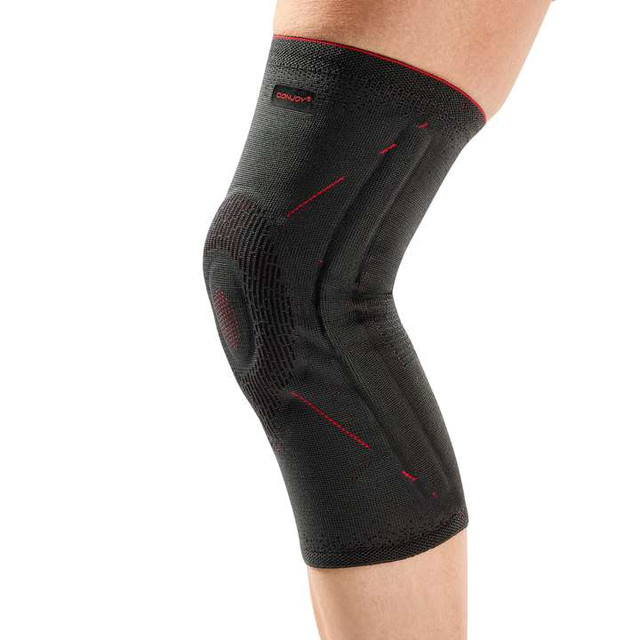
Knee pain can be a significant hurdle in daily life, transforming simple tasks like walking the dog or climbing stairs into daunting challenges. Whether stemming from a sports injury, osteoarthritis, or general wear and tear, the discomfort can feel limiting.
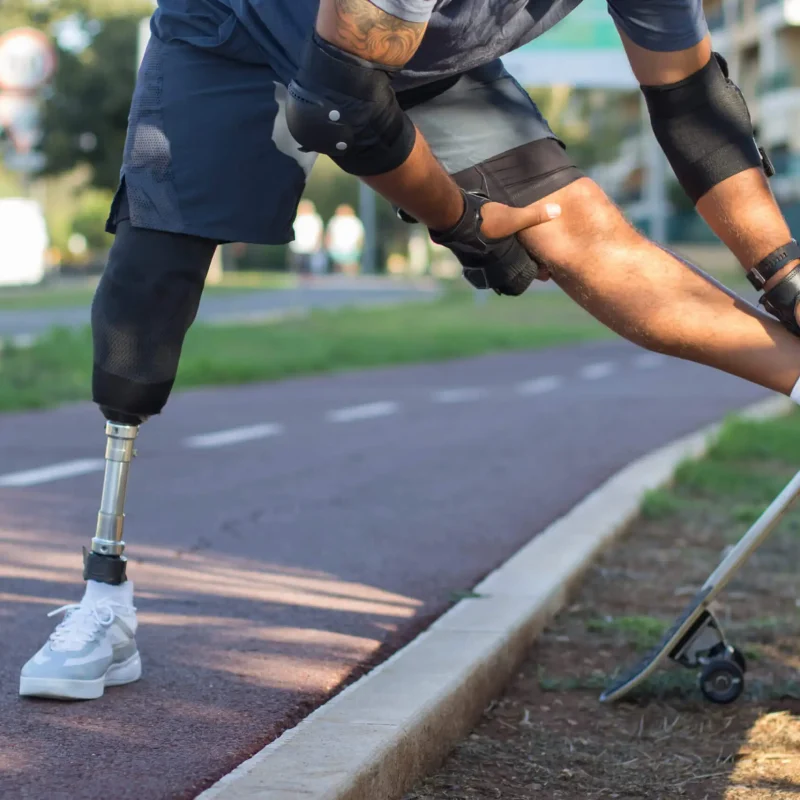
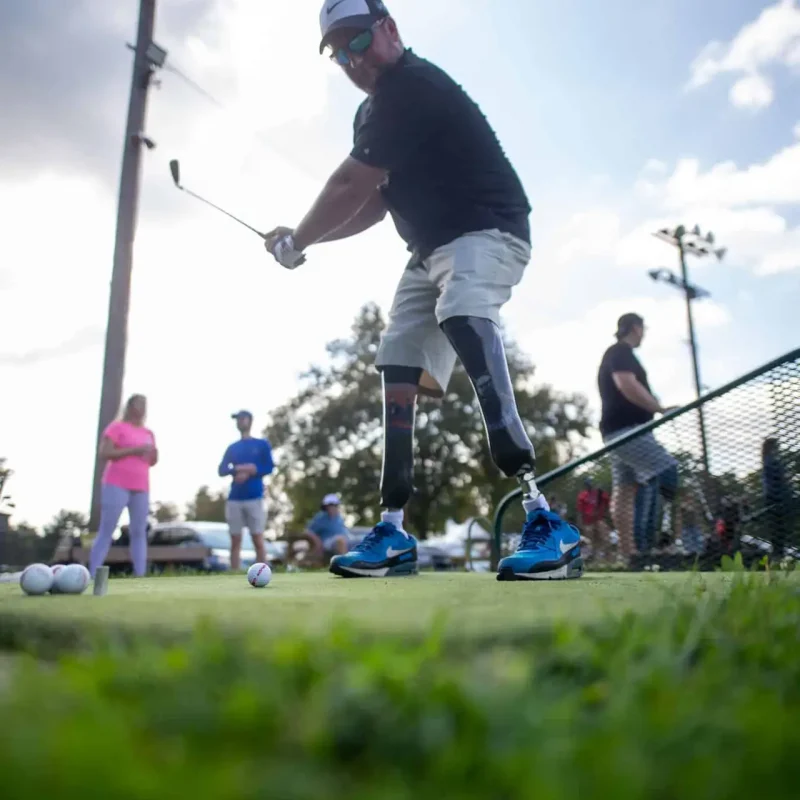
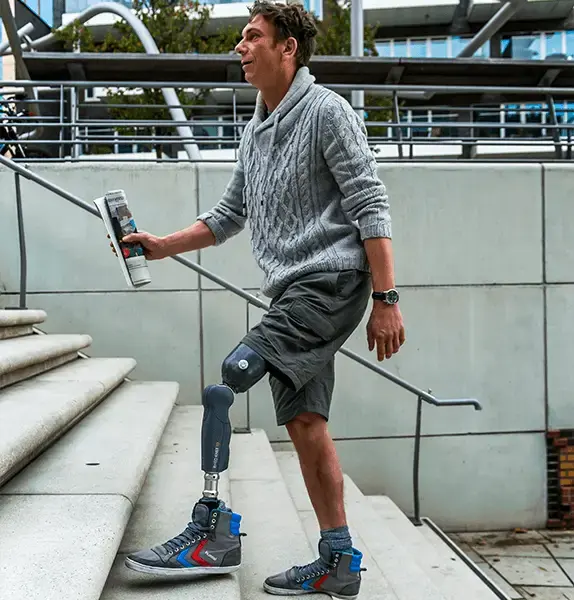
The sound of sneakers hitting pavement, the splash of water against a swimmer’s body, the satisfying crack of a golf ball meeting the sweet spot—these moments of athletic achievement aren’t limited by limb difference. Athletes with prosthetics are redefining what’s possible in sports, proving that determination combined with innovative technology can overcome any barrier.
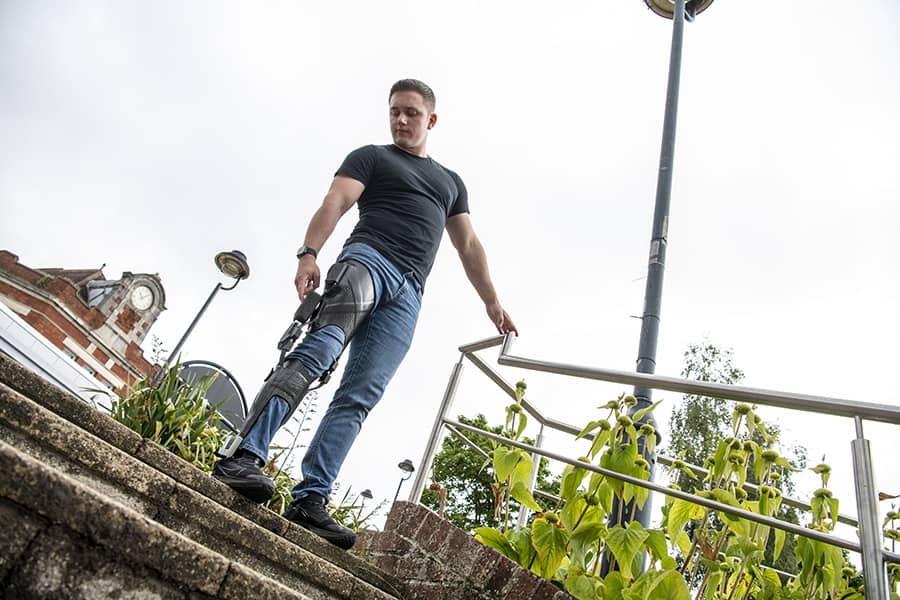
The sound of sneakers hitting pavement, the splash of water against a swimmer’s body, the satisfying crack of a golf ball meeting the sweet spot—these moments of athletic achievement aren’t limited by limb difference. Athletes with prosthetics are redefining what’s possible in sports, proving that determination combined with innovative technology can overcome any barrier.
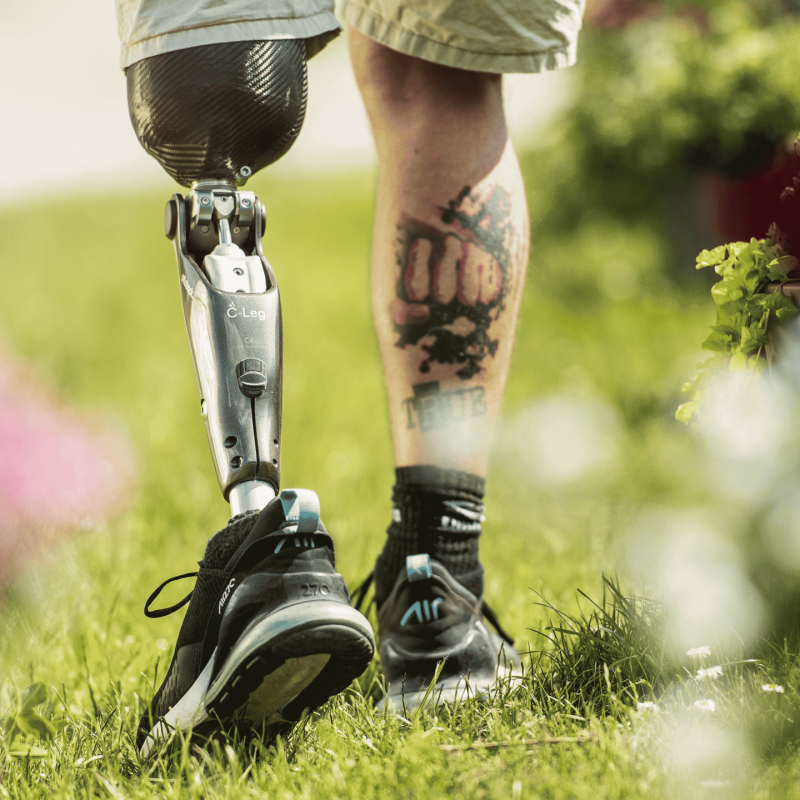
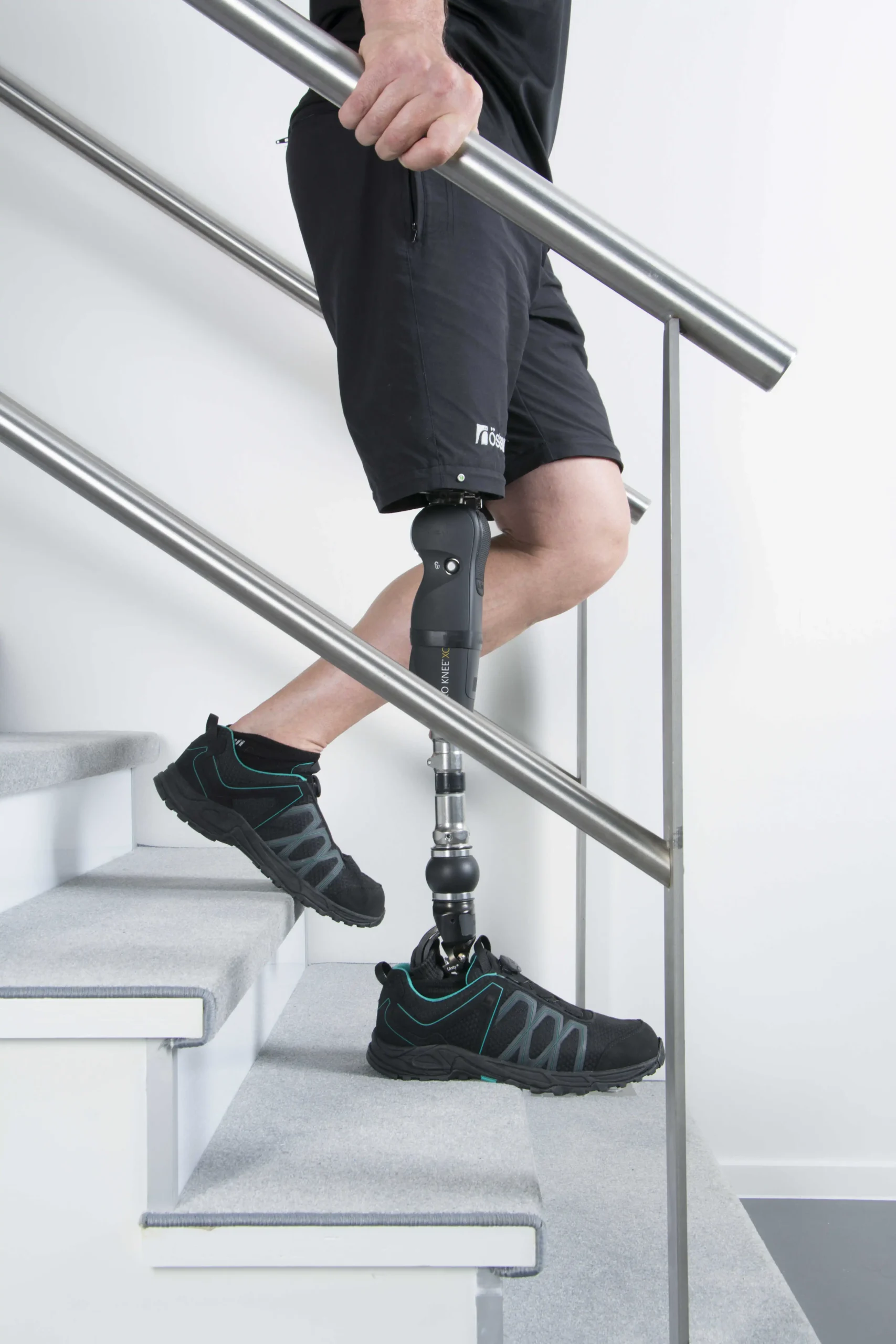
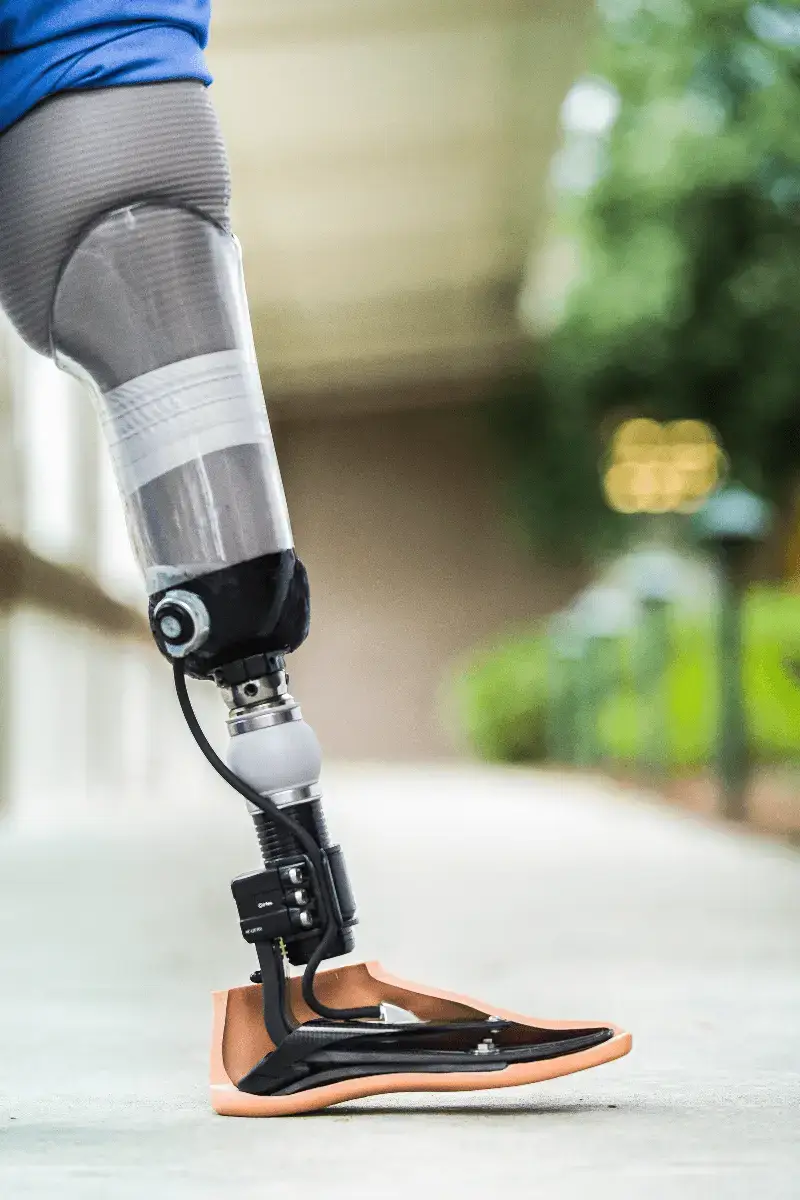
Technological advancement has continued to explode as the decades pass, with something new and exciting growing weekly. The field of prosthetics has not been immune to these improvements, either, seeing significant advancements that improve not only the accessibility of prosthetics but also their capability and safety.