

Completing Surgery
You have completed surgery and your residual limb is healing

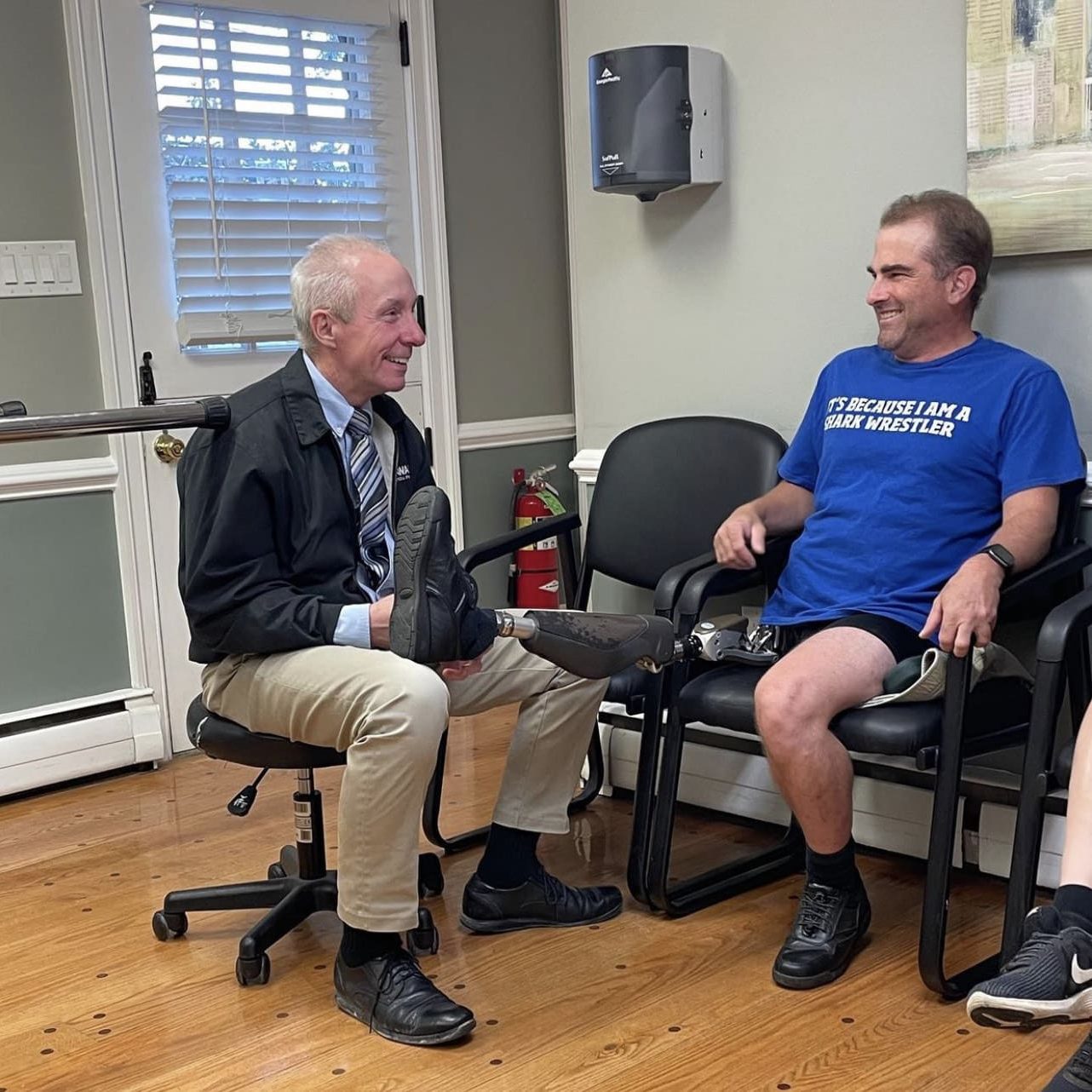
Meeting Your Prosthetist
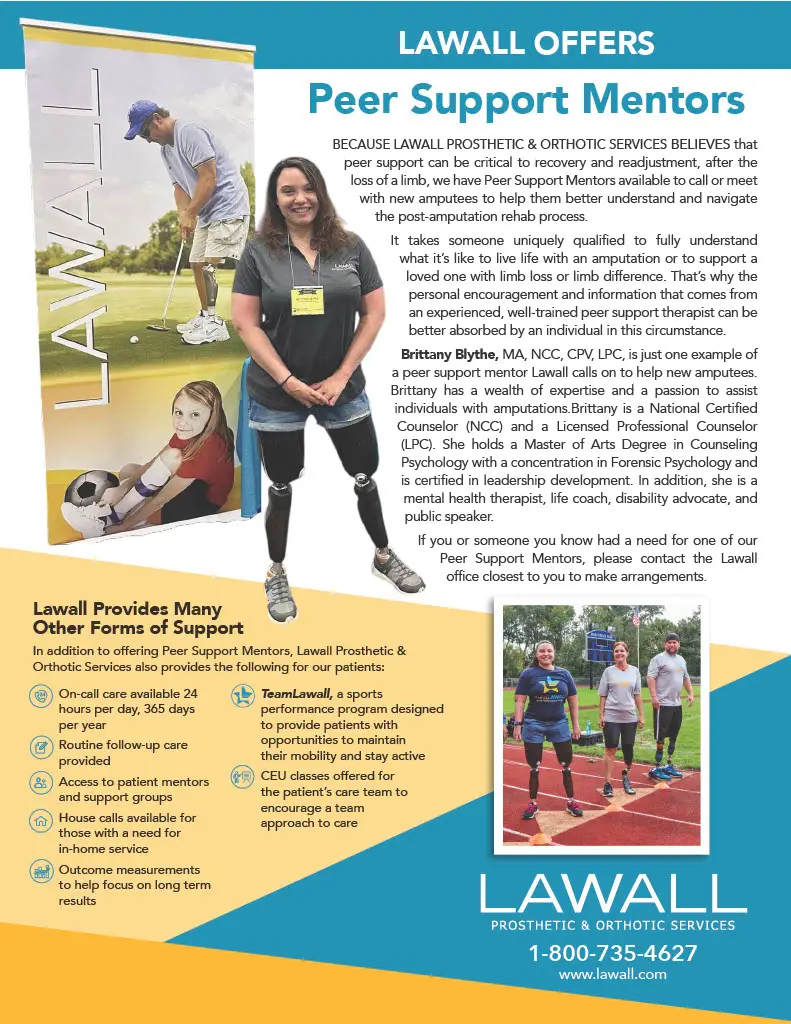
It is essential to have a certified and licensed prosthetist throughout this process, ideally one with an office that is conveniently located nearby who you can build a great rapport with.

Discharging from Hospital
You will be discharged to either a rehabilitation facility or your home. Call and let us know soon after you arrive so we can schedule a follow up visit with you.

Removing Your Stitches/Shrinker Approval
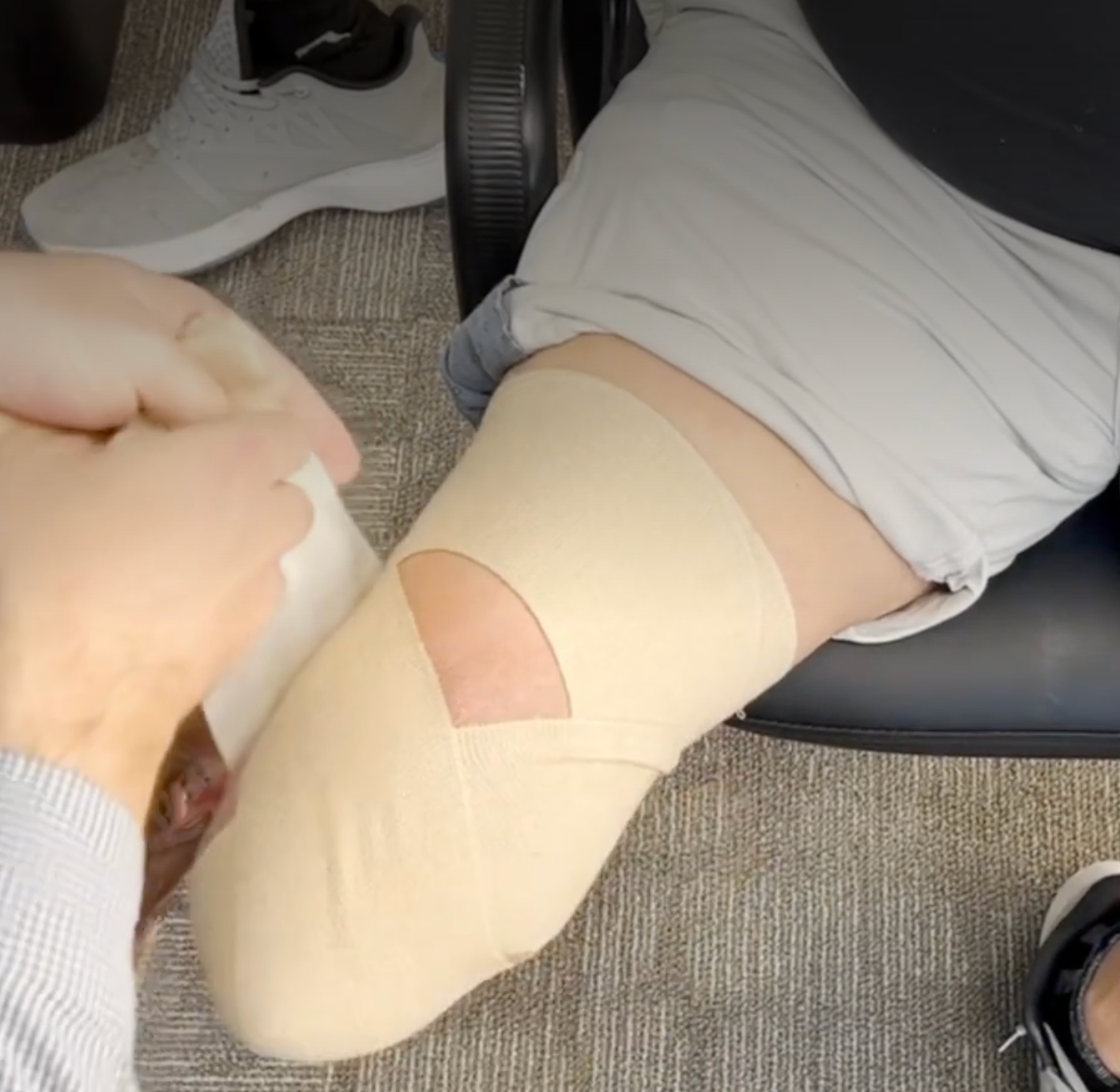
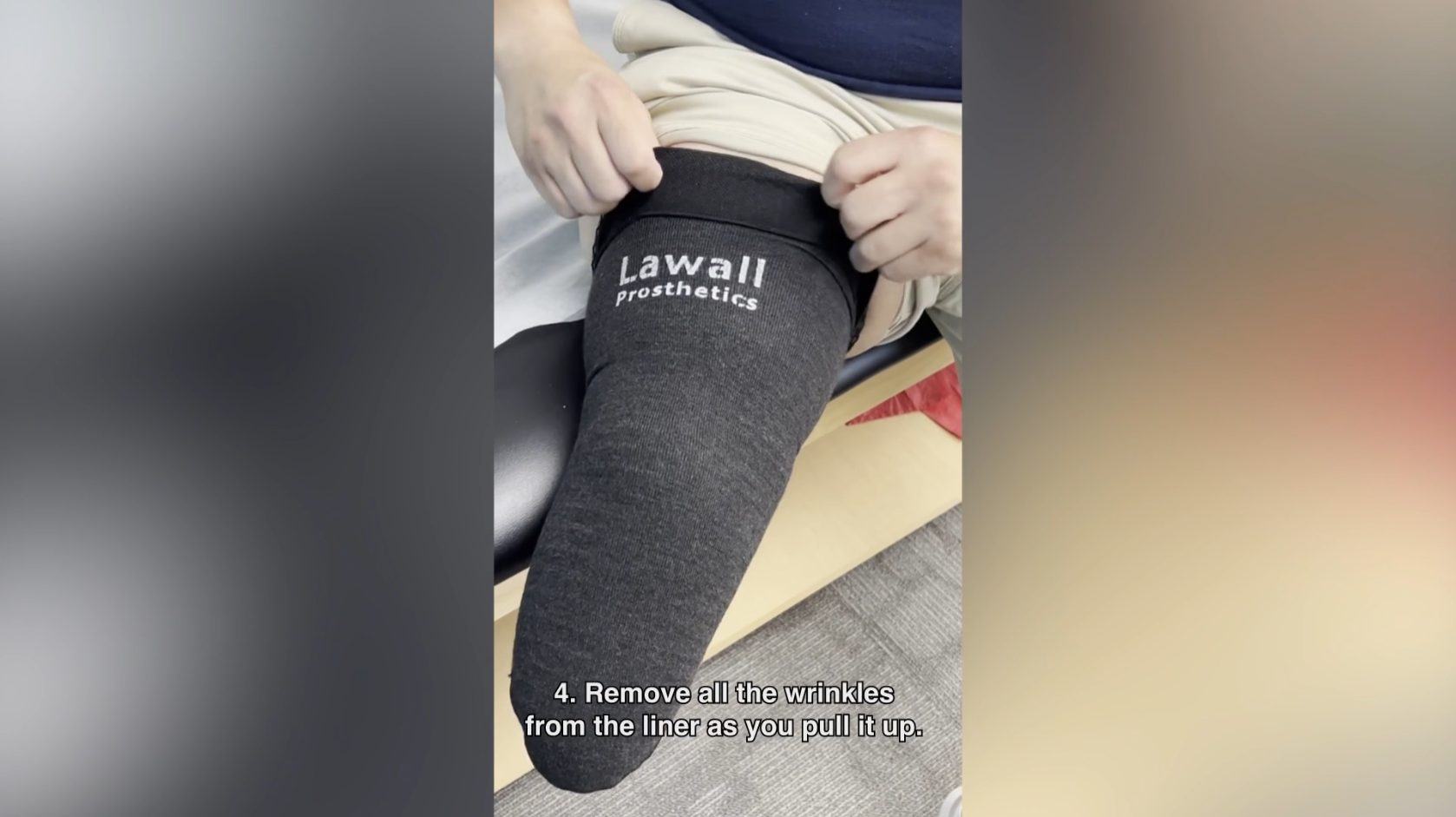
Once a vascular doctor has removed your stitches and given you clearance to start wearing a prosthetic shrinker, contact us at 1-800-735-4627 so that we can provide you with a shrinker.

Wearing Your Shrinker 24/7
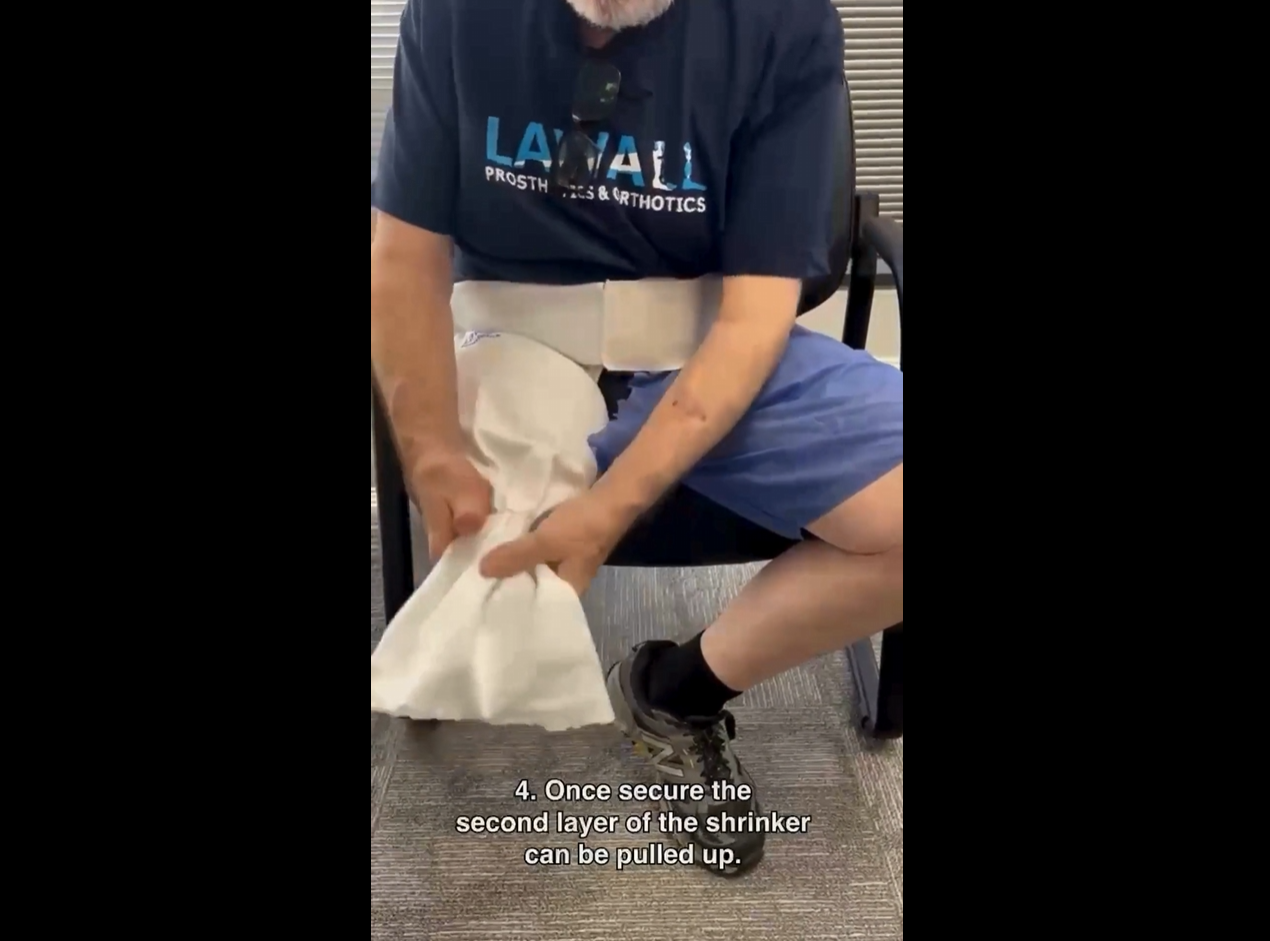
By wearing your prosthetic shrinker as much as possible, you will help reduce the swelling in your residual limb and prepare you for your prosthesis.

Casting for Your Prosthesis
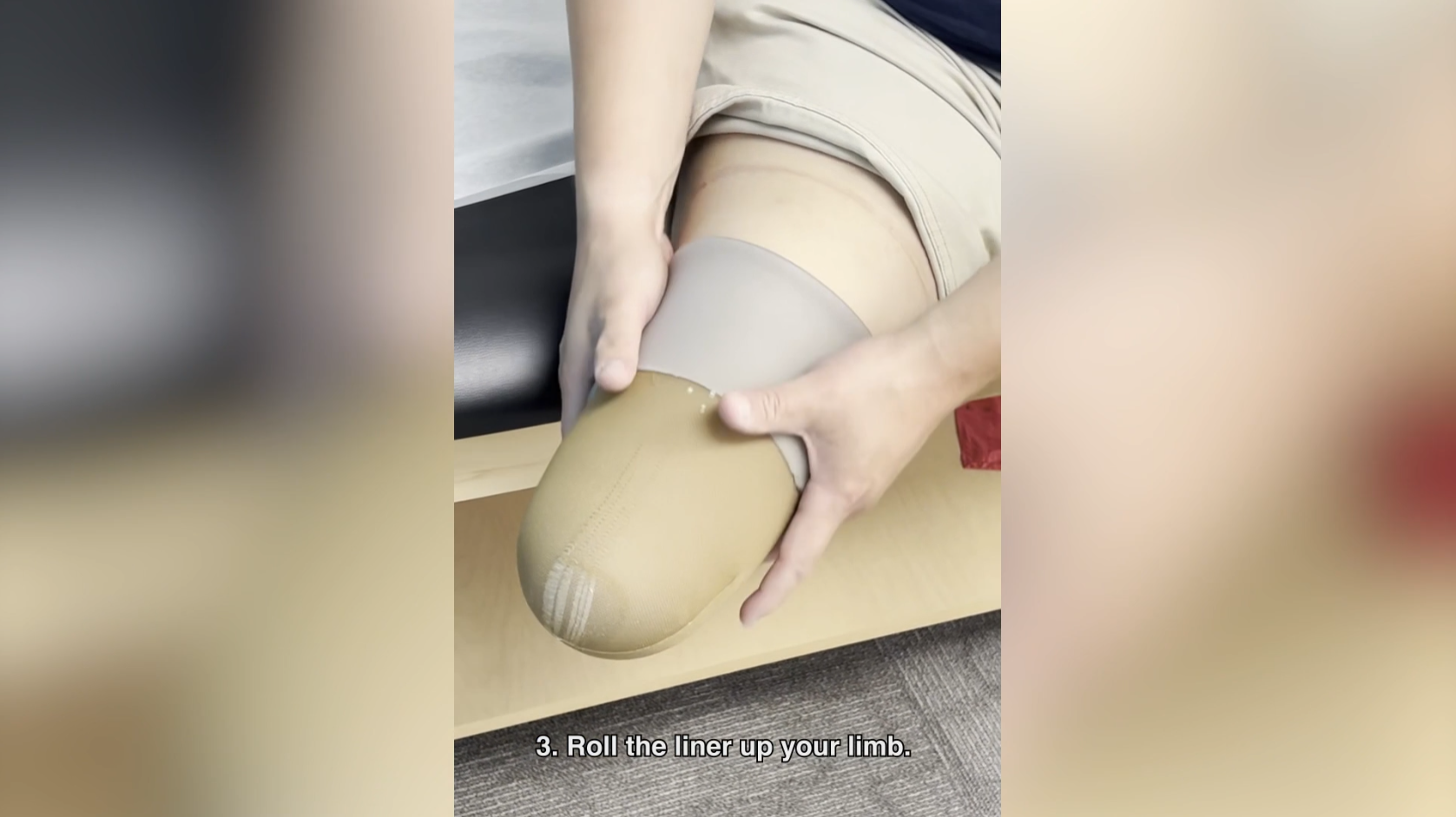
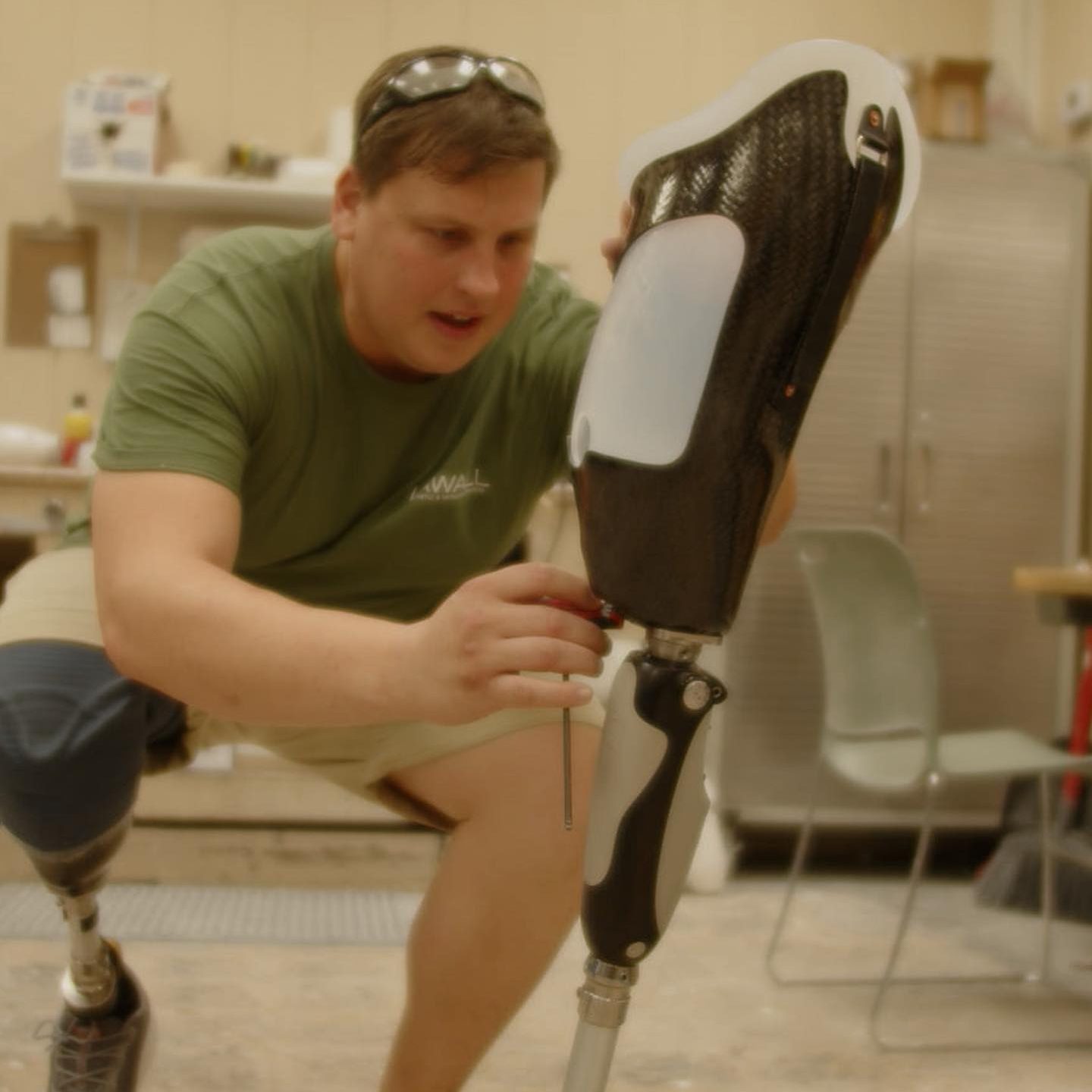
We will measure your residual limb and discuss prosthetic options with you that will best meet your needs.

Fitting Your Prosthesis
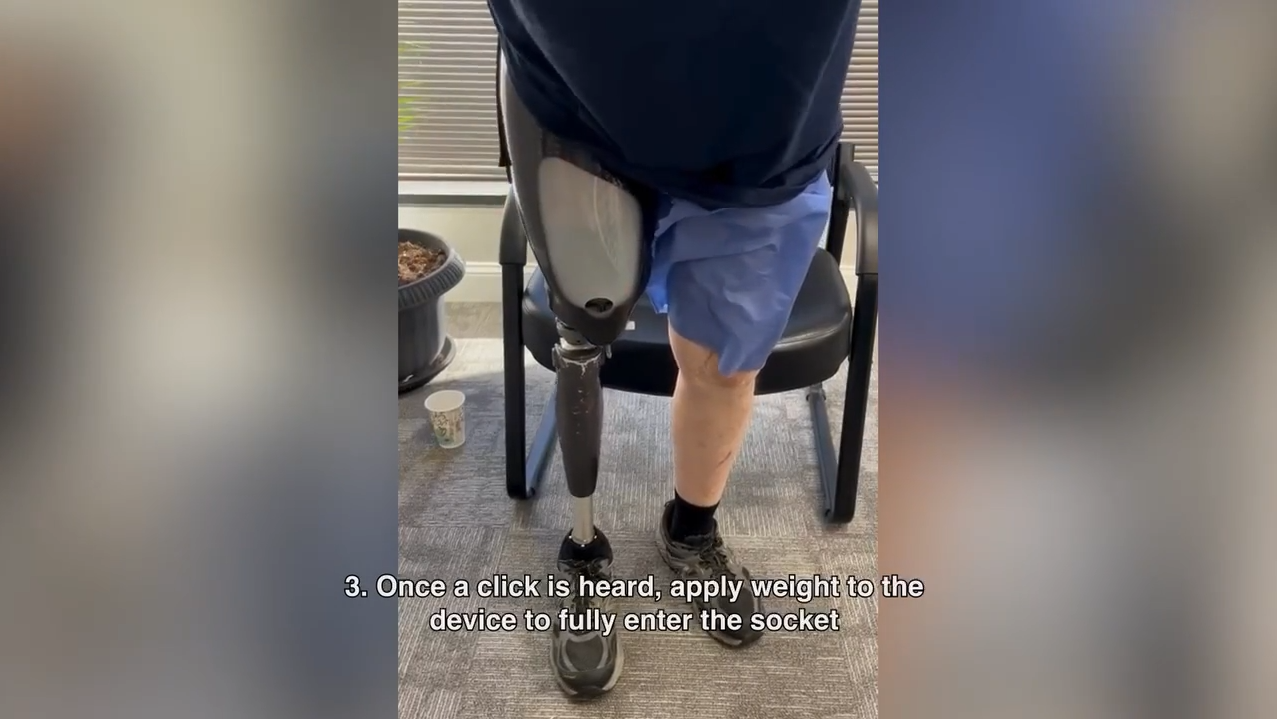
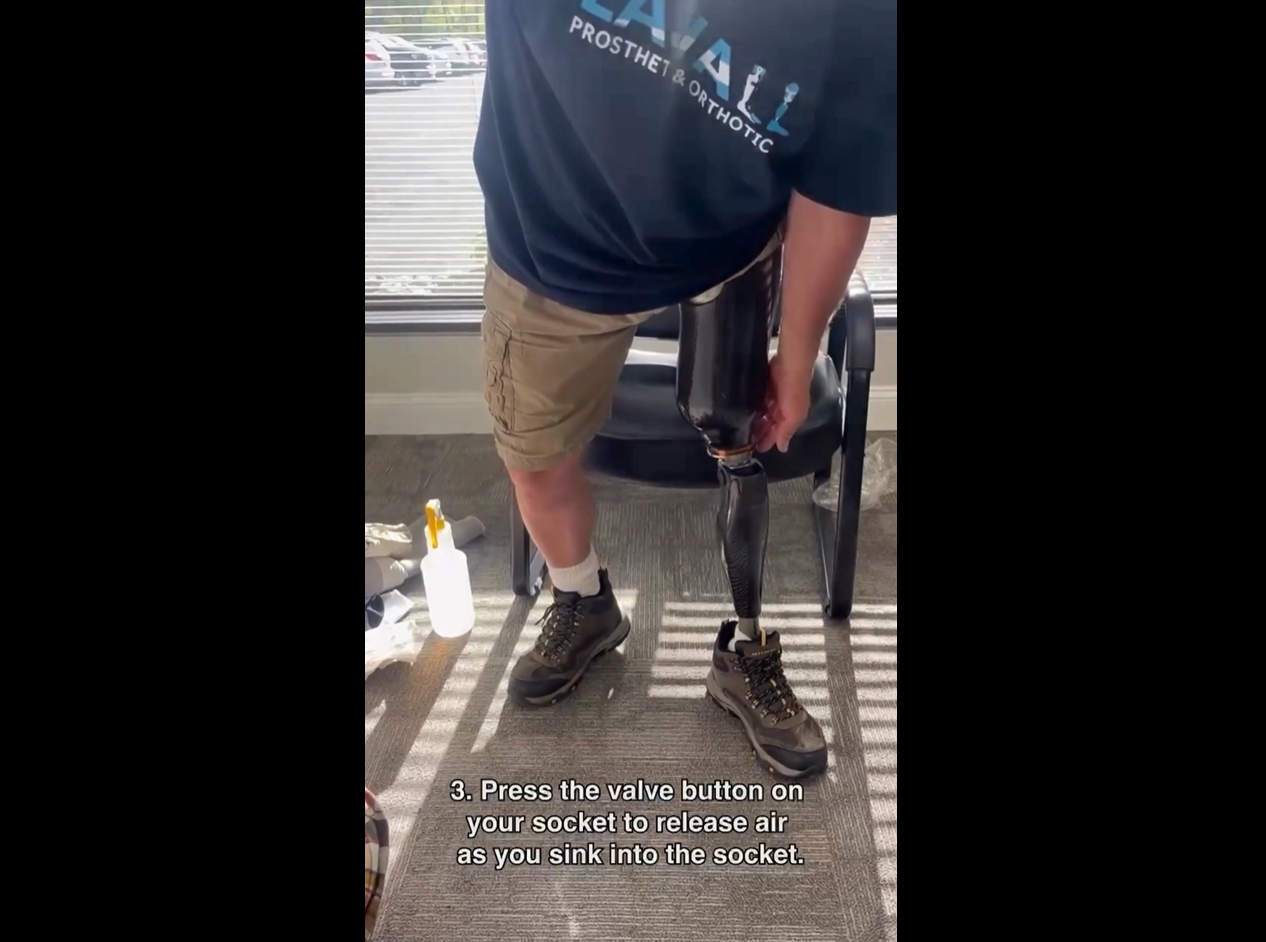
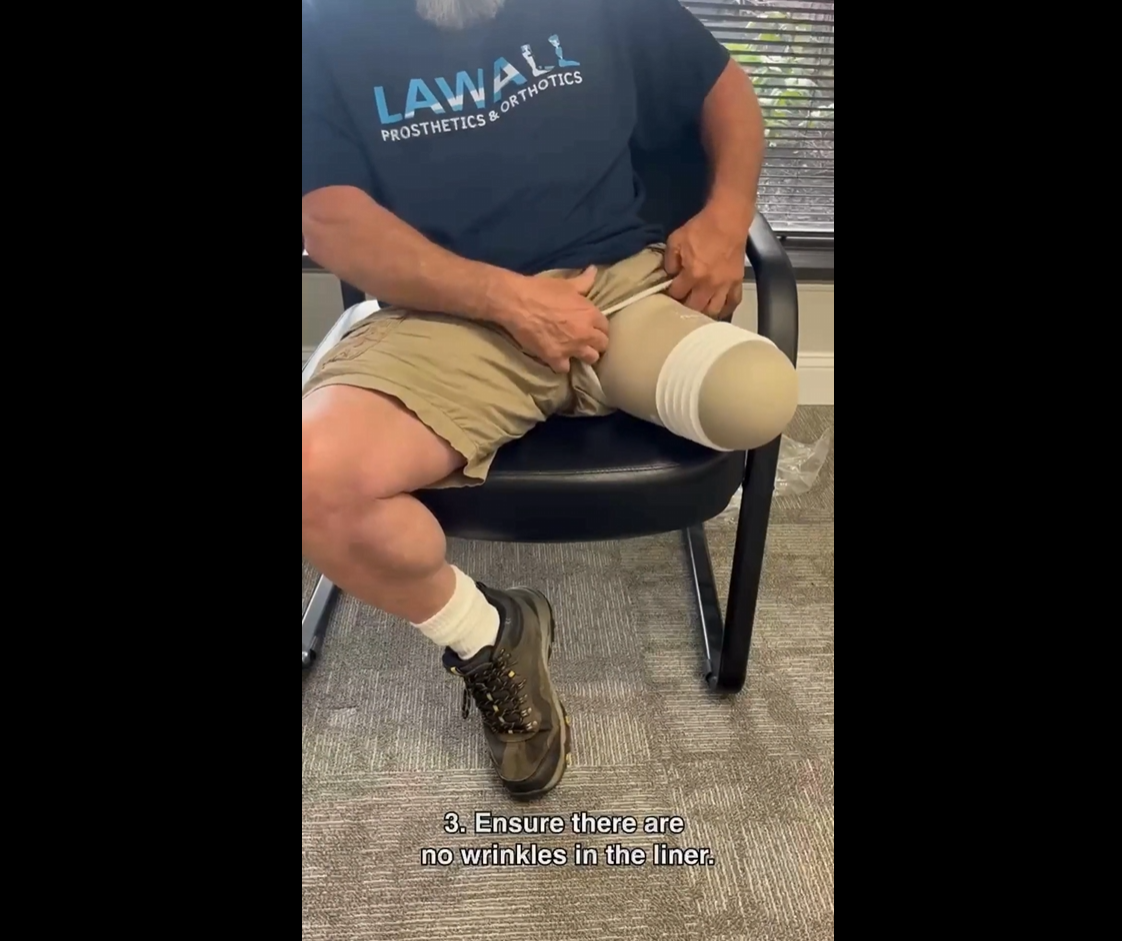
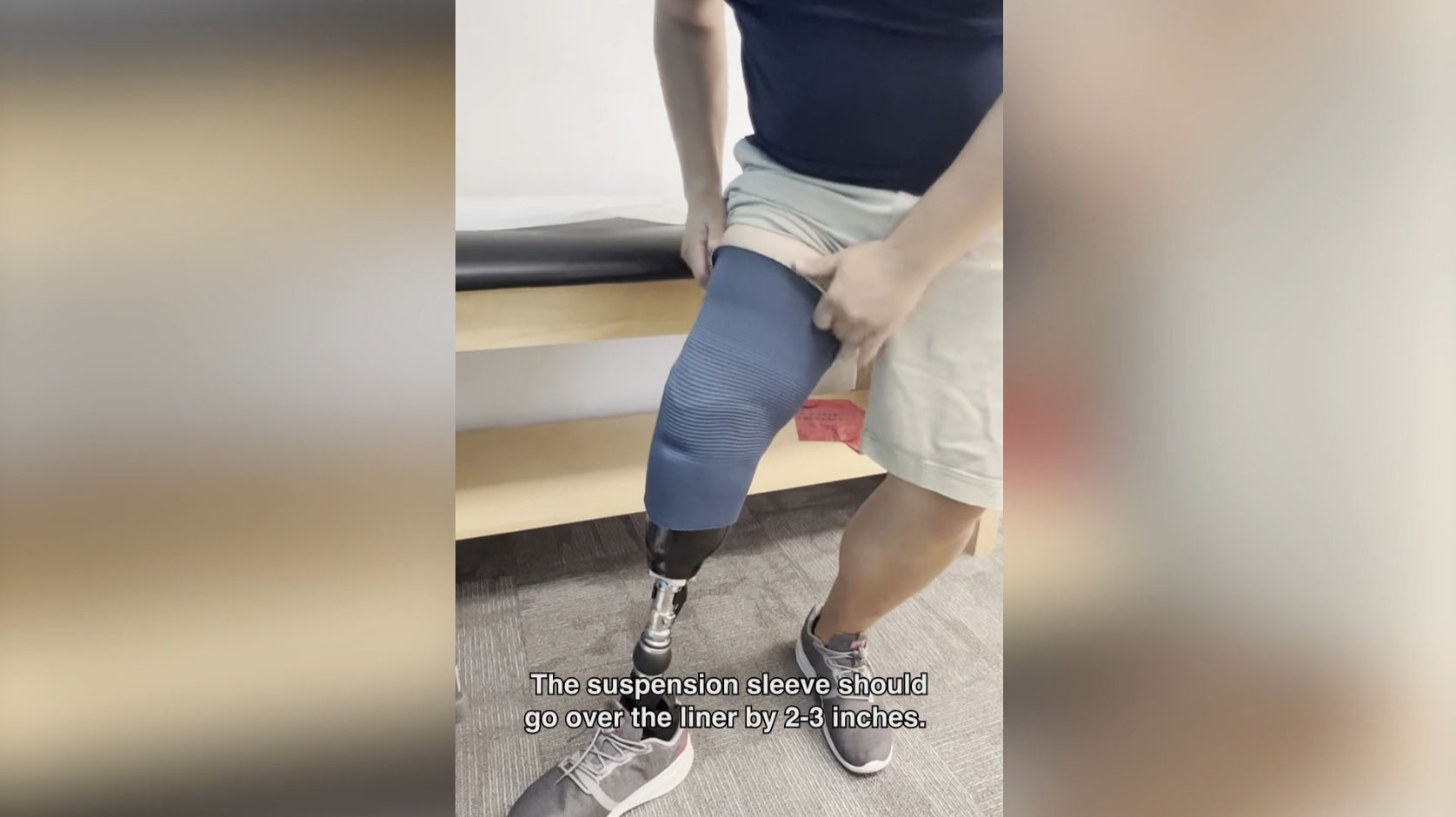
We will fit you with a prosthesis (artificial limb) then help you get up and stand on your leg, and take some steps to make sure it is comfortable.

Starting Physical Therapy
You will receive physical therapy while wearing your prosthesis to ensure you are safely using it and are working towards your goals. Your prosthetist will work together with your physical therapist(s) and come to your appointments when needed.