


Lawall

Bracing for Knee Pain: A Complete Guide to Support and Stability

Knee pain can be a significant hurdle in daily life, transforming simple tasks like walking the dog or climbing stairs into daunting challenges. Whether stemming from a sports injury, osteoarthritis, or general wear and tear, the discomfort can feel limiting. However, knee bracing offers a non-invasive pathway to improved mobility and comfort.
 
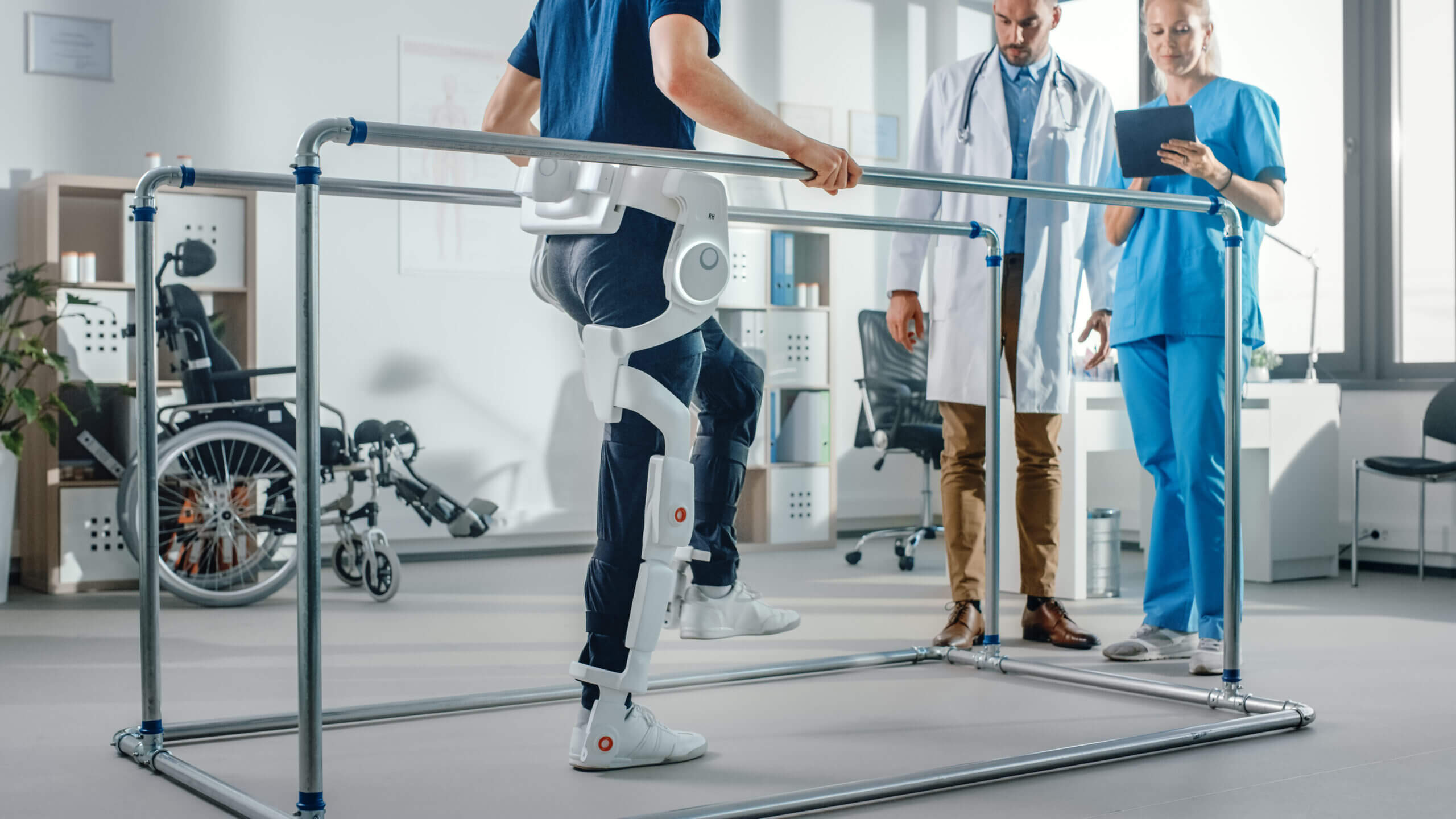
By stabilizing the joint, reducing inflammation, and redistributing weight, the right brace can help you regain confidence in your movement. Understanding the different types of braces and how they function is the first step toward finding the relief you deserve
23
treating-knee-pain-with-orthotic-devices-1920px (1)
22
Tectus 13 scaled

How Knee Bracing Works

The knee is a complex hinge joint that bears the brunt of your body weight with every step. When structures within the knee—such as ligaments, cartilage, or tendons—are damaged or inflamed, stability is compromised.

Knee braces function by providing external support that mimics or reinforces the knee’s natural mechanics. They work through three primary mechanisms:

  • Compression: Sleeves and soft braces compress the tissue, which helps reduce swelling and improves proprioception (your body’s awareness of where the joint is in space).


  • Stabilization: Hinged braces prevent the knee from moving in unnatural directions, protecting healing ligaments.


  • Unloading: specialized braces shift weight away from damaged areas of the joint, particularly in cases of osteoarthritis.
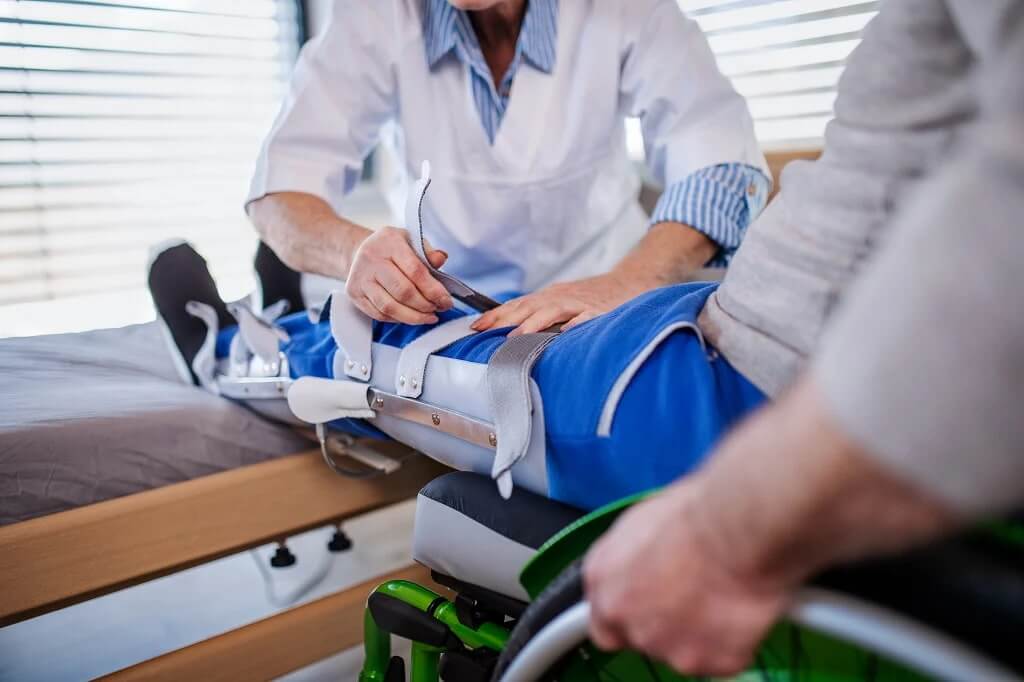
65a0e5c3ce83d6a345d46e81 orthotics vs prosthetics what s the difference

Common Conditions Requiring Braces

While many minor aches heal with rest, several specific conditions respond exceptionally well to orthotic intervention.

Ligament Injuries (ACL/MCL Tears)

The Anterior Cruciate Ligament (ACL) and Medial Collateral Ligament (MCL) are critical stabilizers. After a tear or sprain, the knee may feel like it is “giving way.” Functional braces are often prescribed during recovery to protect the ligament as it heals or to provide stability after surgery.

Osteoarthritis (OA)

As the protective cartilage in the knee wears down, bones can rub against each other, causing pain and stiffness. This often occurs on just one side of the knee (medial or lateral). Unloader braces are designed specifically for this, applying gentle pressure to shift weight away from the painful side.

Patellofemoral Pain Syndrome

Often called “runner’s knee,” this condition involves pain around the kneecap (patella). Braces with a donut-shaped buttress can help guide the kneecap into proper alignment during movement, reducing friction and pain.

Types of Braces Explained

Selecting the right brace can feel overwhelming given the variety of options available. Here is a breakdown of the most common types and their intended uses.
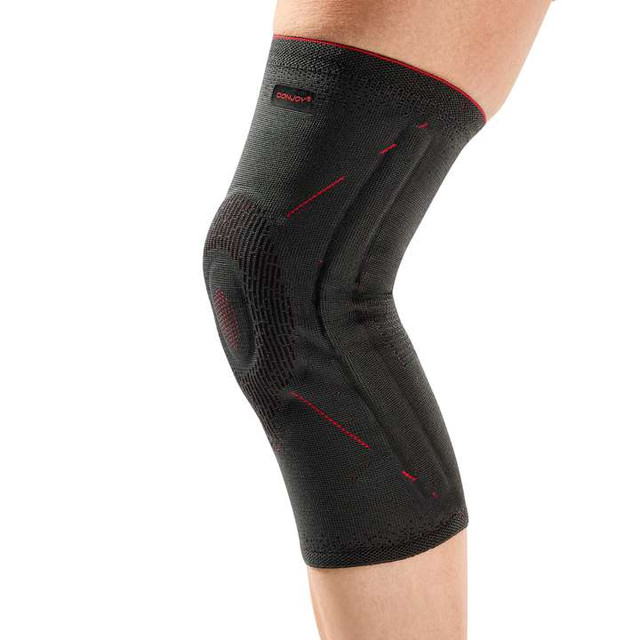
Compression Knee Brace

Compression Sleeves

These are the most basic form of support. Made from neoprene or elastic fabric, sleeves provide warmth and compression to control swelling. They are ideal for mild pain and stiffness but offer minimal structural stability.

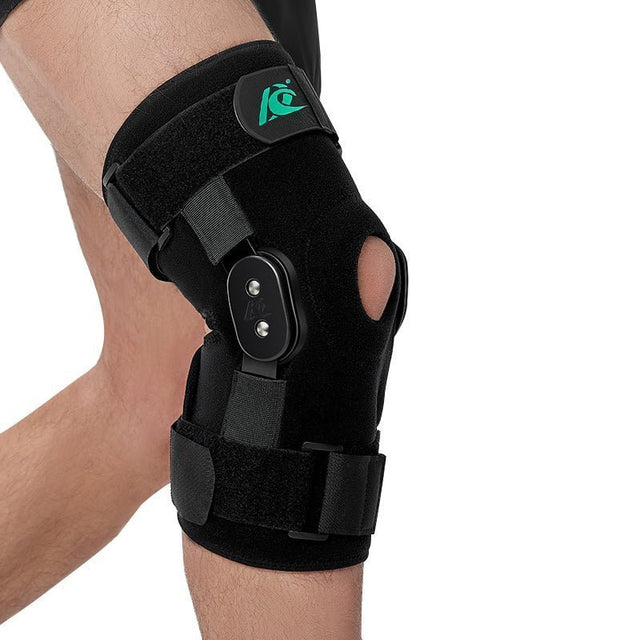
Hinged Knee Brace

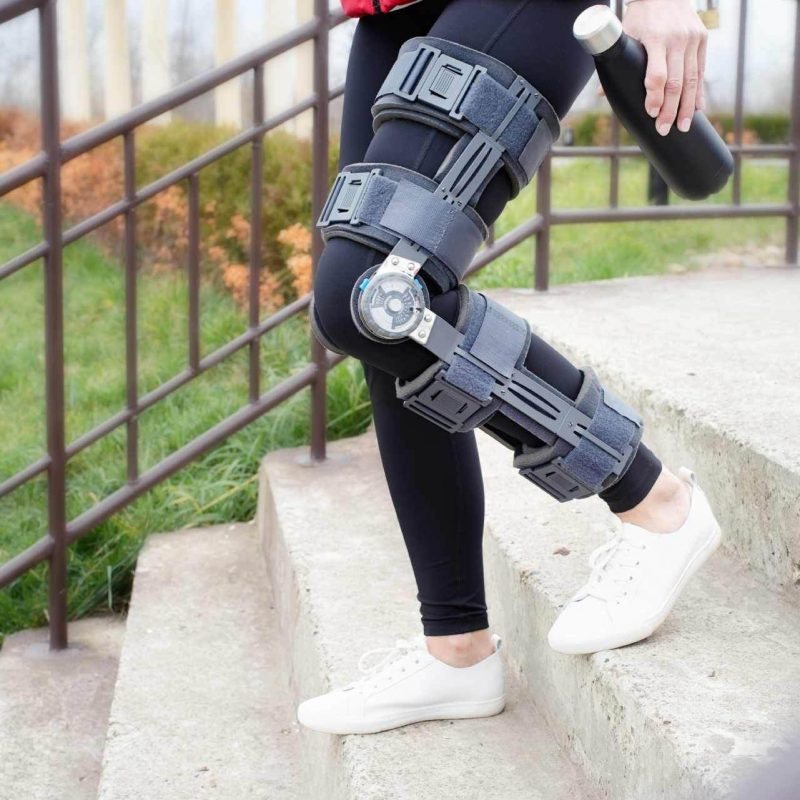
Hinged Braces

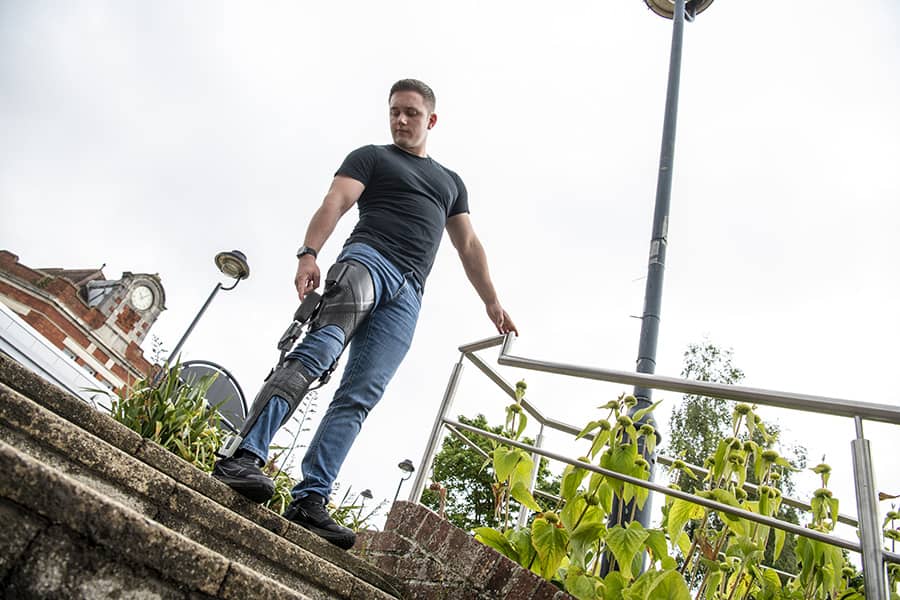
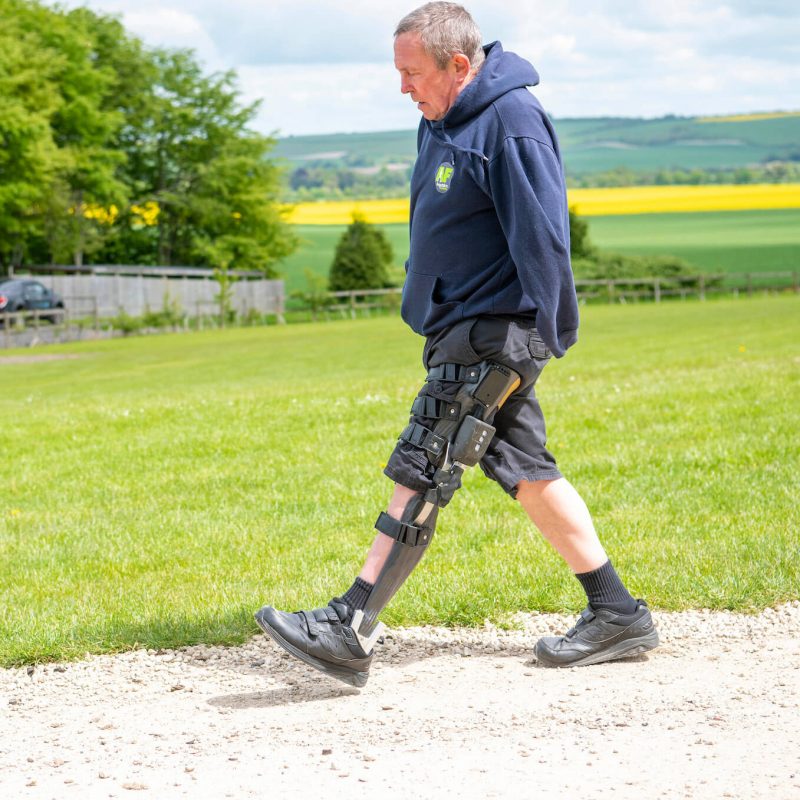
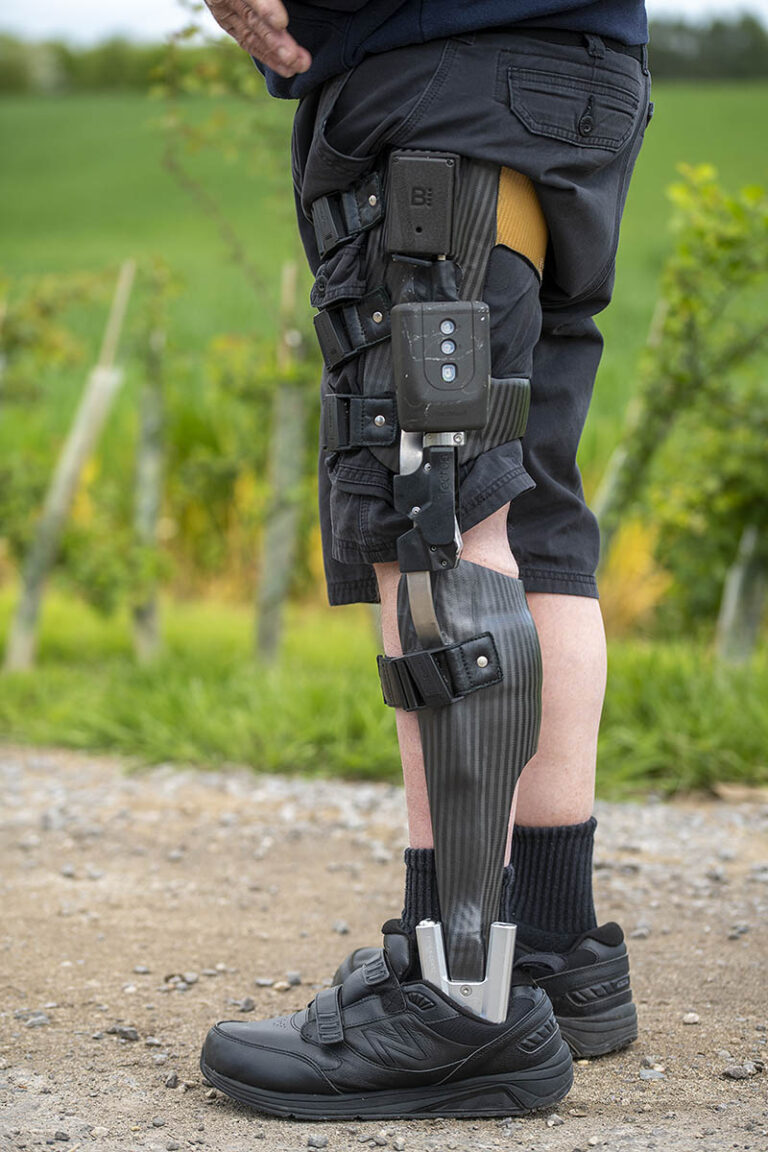
For moderate to severe instability, hinged braces are the standard. They feature rigid bars on the sides of the knee connected by a hinge that allows the knee to bend and straighten while preventing side-to-side wobbling. These are crucial for ligament injuries.

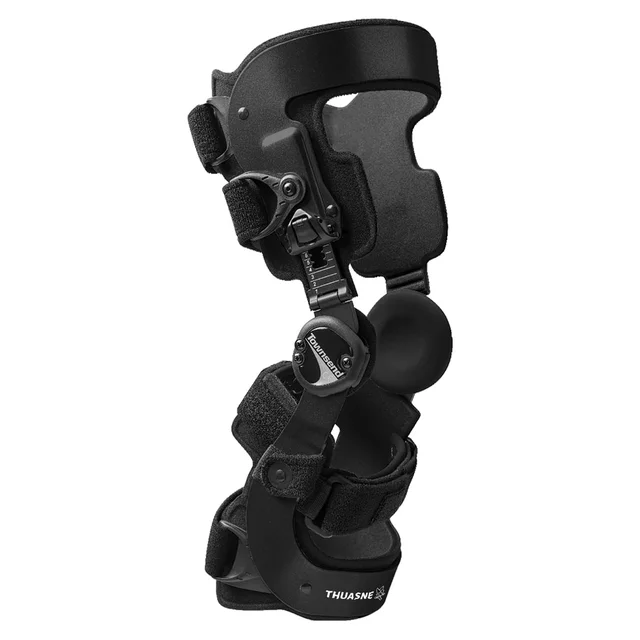
Unloader Brace

Unloader Braces

These are sophisticated devices designed for osteoarthritis. By leveraging a three-point pressure system, they mechanically shift the load off the degenerative part of the knee.

Medicare

2026 Medicare Coverage Updates for Osteoarthritis

For patients managing osteoarthritis, there is significant news regarding insurance coverage. The Centers for Medicare & Medicaid Services (CMS) recently updated their policies regarding knee orthoses.

Effective January 25, 2026, Medicare has expanded coverage for knee braces used to treat osteoarthritis. Previously, coverage often required documented joint instability. Under the new Local Coverage Determination (LCD), Medicare may cover braces for medial or lateral tibiofemoral osteoarthritis if the patient has pain or functional impairment and the brace offers varus/valgus adjustment, even without objective joint instability. This change significantly broadens access to unloader braces for seniors seeking non-surgical pain relief.

Standing tectus

Benefits of Bracing

Integrating a brace into your treatment plan can offer immediate and long-term benefits.

  • Pain Relief: By offloading stress and reducing inflammation, braces can significantly lower pain levels during activity.
  • Improved Mobility: Reduced pain often leads to increased activity levels, which is vital for maintaining muscle strength around the joint.
  • Surgical Protection: Post-operative bracing ensures that repairs to ligaments or tendons are not compromised by accidental twisting or hyperextension during recovery.
shutterstock 2029416683 scaled 1

Potential Risks and Considerations

While braces are generally safe, they must be used correctly to be effective.

Muscle Weakness

There is a common concern that relying too heavily on a brace can cause the surrounding muscles to weaken (atrophy) because they aren’t working as hard. It is essential to view a brace as a tool to enable activity, not a replacement for rehabilitation exercises.

Skin Irritation

Wearing a brace tightly against the skin, especially during exercise, can cause chafing or contact dermatitis. Ensuring a proper fit and keeping both the brace and skin clean can prevent these issues.
IMG 1213 2 scaled 1

Bracing for Children

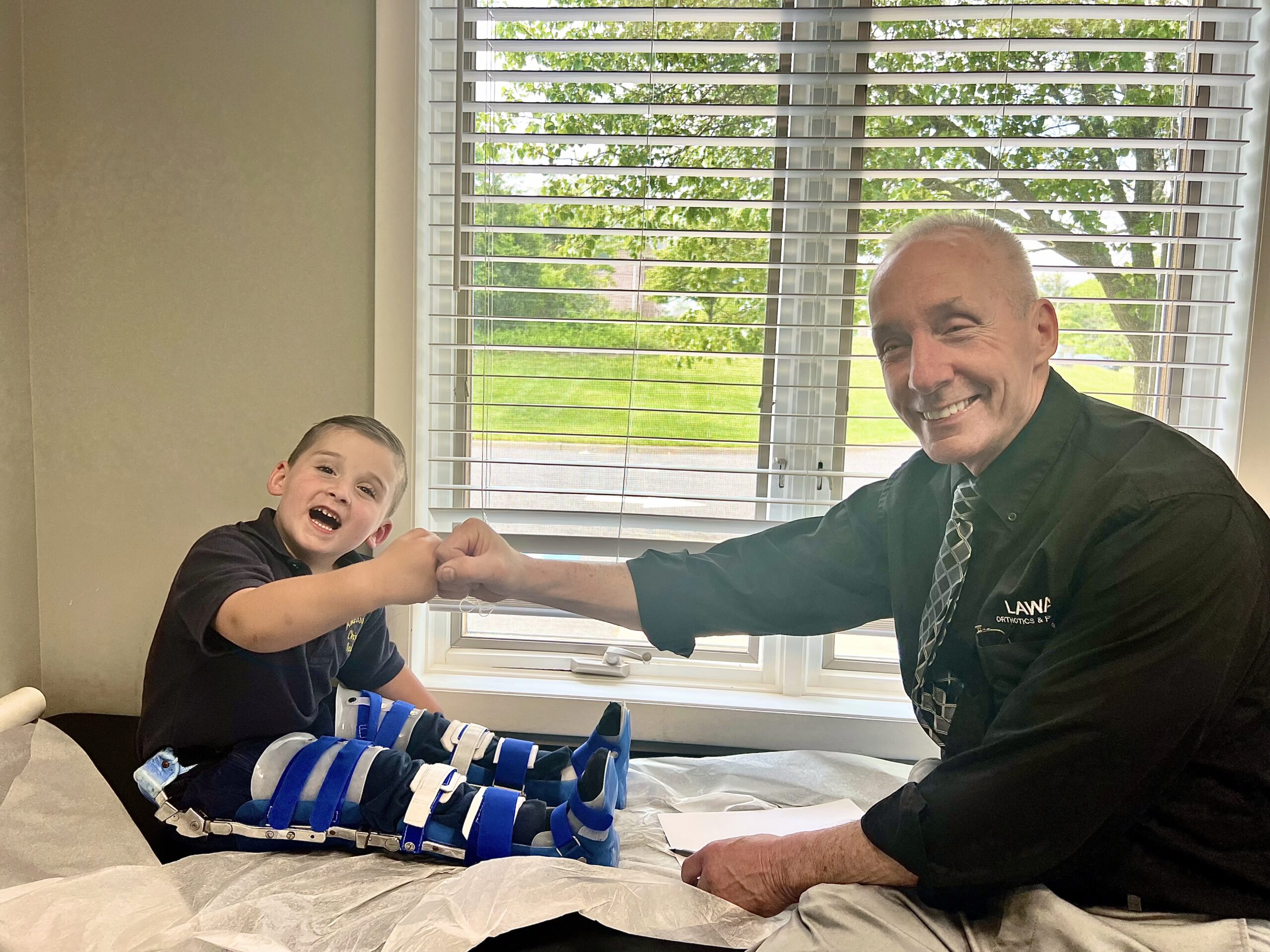
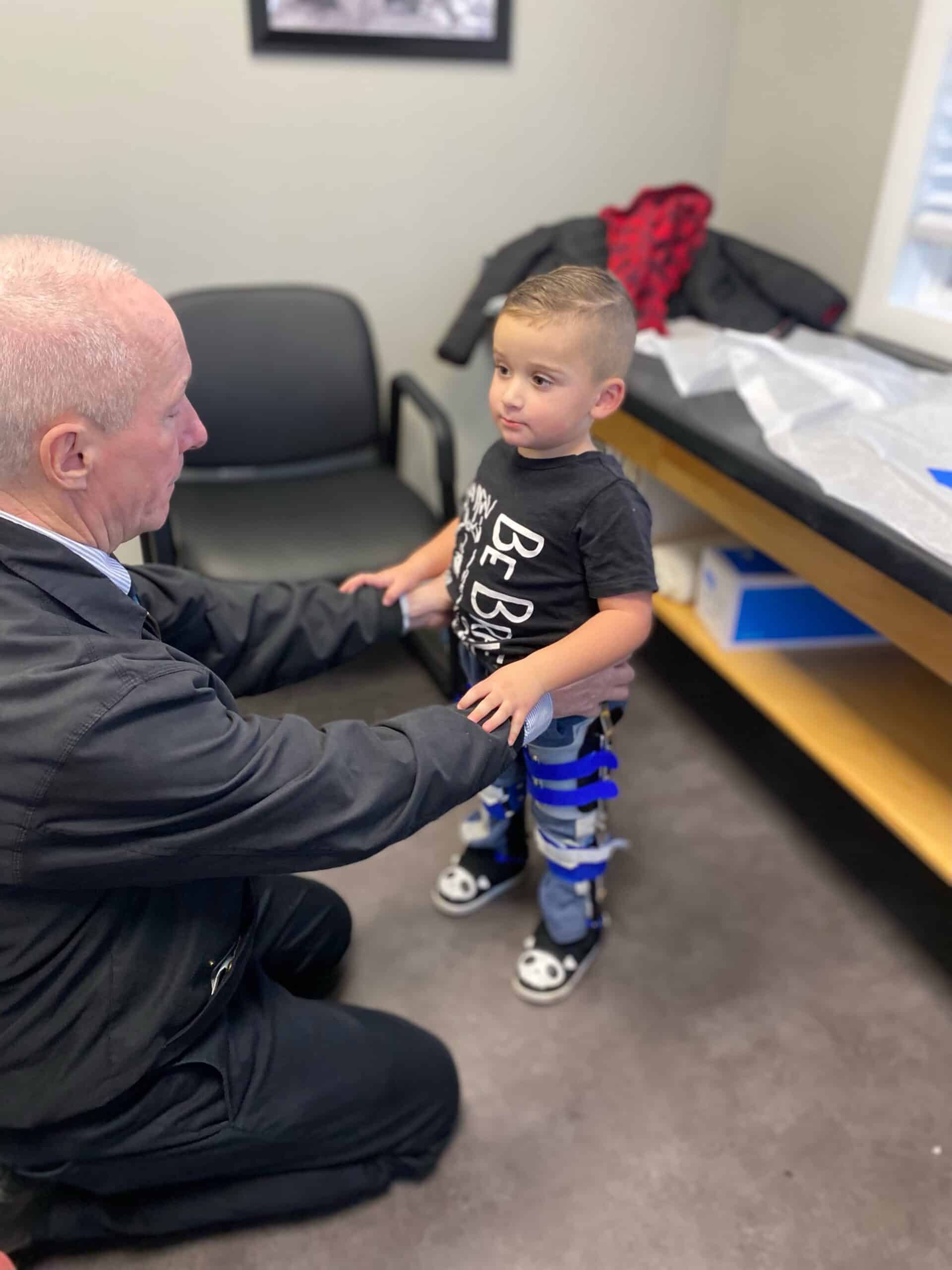
Knee pain isn’t exclusive to adults. Active children and adolescents often face unique orthopedic challenges as their bodies grow.

Osgood-Schlatter Disease

This condition causes pain and a bump below the kneecap, usually during growth spurts in active kids. A simple strap or sleeve can reduce tension on the patellar tendon, providing relief during sports.

Angular Deformities

Conditions like Genu Valgum (knock knees) or Genu Varum (bow legs) may require monitoring. While many children outgrow these alignment issues, severe cases may benefit from guided growth via bracing or other orthotic interventions under the supervision of a pediatric specialist.
33556 D3 328361 169 4c 1

Holistic Knee Care

A brace is a powerful tool, but it works best as part of a broader approach to knee health.

  • Physical Therapy: Strengthening the quadriceps, hamstrings, and calves provides natural internal “bracing” for the knee.
  • Weight Management: Every pound of body weight adds four pounds of pressure to the knees. Managing weight can drastically reduce pain and wear on the joint.
  • Footwear: Proper shoes with adequate arch support can improve overall leg alignment, reducing stress on the knees.

With the right combination of physical rehabilitation and orthotic care, returning to your daily activities is possible. If you are experiencing persistent knee pain, consult with a healthcare professional to see if a knee brace is the right step for your recovery journey.

Professional Guidance: OTC vs. Custom

For mild strains, an over-the-counter (OTC) sleeve from a pharmacy is often sufficient. However, for specific medical conditions like moderate-to-severe OA or ligament tears, professional guidance is indispensable.
A certified orthotist can provide a custom-fitted brace. These are molded to the exact contours of your leg, ensuring maximum comfort and efficacy. Custom bracing is particularly important for unloader braces, where the leverage points must be precise to provide relief without causing discomfort.

Related Posts

cranial molding helmet Eagles

When to Consider a Cranial Molding Helmet for Your Baby

The sound of sneakers hitting pavement, the splash of water against a swimmer’s body, the satisfying crack of a golf ball meeting the sweet spot—these moments of athletic achievement aren’t limited by limb difference. Athletes with prosthetics are redefining what’s possible in sports, proving that determination combined with innovative technology can overcome any barrier.

Read More
Pediatric Orthotics

Pediatric Orthotics: Supporting Growth and Development

Technological advancement has continued to explode as the decades pass, with something new and exciting growing weekly. The field of prosthetics has not been immune to these improvements, either, seeing significant advancements that improve not only the accessibility of prosthetics but also their capability and safety.

Read More
KENEVO KNEE JOINT LF2

MPKs for K2 Users Improving Mobility and Quality of Life

Technological advancement has continued to explode as the decades pass, with something new and exciting growing weekly. The field of prosthetics has not been immune to these improvements, either, seeing significant advancements that improve not only the accessibility of prosthetics but also their capability and safety.

Read More
Orthotics​

Why Custom Orthotic Design Matters for Your Health

Technological advancement has continued to explode as the decades pass, with something new and exciting growing weekly. The field of prosthetics has not been immune to these improvements, either, seeing significant advancements that improve not only the accessibility of prosthetics but also their capability and safety.

Read More
Scroll to Top