





Lawall

How Orthotics Can Help Manage Chronic Pain and Improve Mobility

Living with chronic pain can feel like carrying an invisible weight. Every step becomes a challenge. Simple tasks like walking to the mailbox or standing in line at the grocery store turn into tests of endurance. For millions of people dealing with foot, ankle, knee, or back pain, this is their daily reality.
 
Orthotics offer a practical solution. These medical devices provide support, correct alignment issues, and redistribute pressure across your feet and lower body. Whether you’re managing plantar fasciitis, arthritis, or recovering from an injury, the right orthotic device can significantly reduce discomfort and restore your ability to move freely.
 
In this blog post we will explore how orthotics work, which conditions they treat most effectively, and how to choose the right option for your needs.
Lawall_LevelUp2024_162 (1)
IMG_1854 (1)
Justin-golfing
5086524 1 e1739890754571

What Are Orthotics?

Orthotics are medical devices designed to support, align, and improve the function of your musculoskeletal system. They work by modifying structural or functional problems associated with various conditions affecting your feet, ankles, knees, and spine.
 
Think of orthotics as personalized support systems for your body. They help restore natural functionality by adjusting how your body distributes weight and pressure during movement. The primary area where foot orthotics provide support is the medial longitudinal arch. By supporting this area, they reduce abnormal loading on your feet and lower extremities when you’re standing or walking.
 
The ultimate goal is simple: reduce discomfort while improving your mobility and overall quality of life.

Custom vs. Over-the-Counter Orthotics

Not all orthotics are created equal. Understanding the difference between custom and over-the-counter options helps you make an informed decision.

Over-the-Counter Orthotics

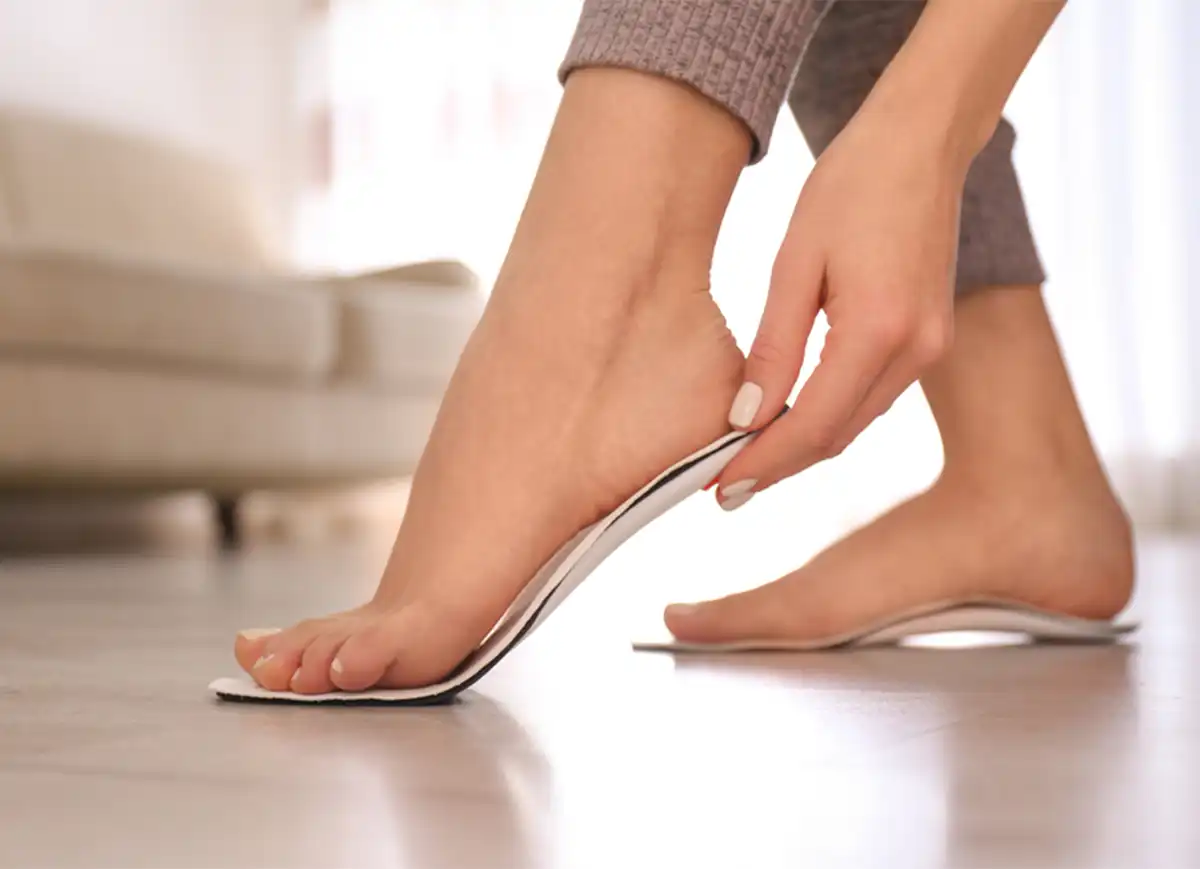
Over-the-counter (OTC) or prefabricated orthotics are standardized devices you can purchase without a prescription. They’re readily available at pharmacies, sporting goods stores, and online retailers. These accommodative orthotics support limb positioning and improved mobility for common issues.
 
Benefits:
  • Immediately available
  • Affordable
  • Good starting point for mild conditions
Limitations:
  • Standardized fit may not address your specific needs
  • Less durable than custom options
  • Limited effectiveness for complex conditions

Custom Orthotics

Custom orthotics are functional devices made specifically for your feet based on detailed assessments of your foot mechanics and anatomy. Podiatrists conduct comprehensive evaluations, take precise measurements, and create devices tailored to your foot structure and lifestyle needs.
Benefits:
  • Designed for your unique foot anatomy
  • More durable and long-lasting
  • Optimal support for complex conditions
  • Better long-term outcomes
Limitations:
  • Higher upfront cost
  • Requires professional assessment and fitting
  • Takes time to manufacture
For people with structural misalignments like flat feet or high arches combined with conditions like plantar fasciitis, custom-molded orthoses typically provide better outcomes.

Conditions That Benefit from Orthotics

Research demonstrates that orthotics effectively manage numerous foot and lower limb conditions. Here are some of the most common ones:

Plantar Fasciitis

This painful condition occurs when the thick band of tissue running across the bottom of your foot becomes inflamed. Orthotics provide medial arch support and increase the midfoot contact area, redistributing force and alleviating pressure on your heels. Studies show an impressive 89% success rate in reducing pain associated with plantar fascia degeneration (Wrobel & Connolly, 1998; Landorf et al., 2021).

Arthritis

Joint inflammation and pain from arthritis can severely limit mobility. Orthotic devices specifically designed for arthritis management help restrict excessive movement while maintaining proper gait biomechanics. For forefoot arthritis, orthotics demonstrate approximately 84% effectiveness for conservative treatment. They provide necessary joint support and stability, reducing strain on affected areas (Gross et al., 2008).

Tendon Disorder

Conditions like Achilles tendinitis and posterior tibial tendon dysfunction (PTTD) respond well to orthotic intervention. Custom articulated ankle-foot orthoses show a 77% success rate in conservatively managing the initial stages of PTTD. These devices provide targeted support and necessary cushioning for healing.

Flat Feet and High Arches

Structural abnormalities in foot shape create uneven pressure distribution and abnormal gait patterns. Orthotics correct alignment issues and provide the support your feet naturally lack.

Diabetic Foot Issues

People with diabetes face increased risk of foot complications due to neuropathy. Orthotics offload sensitive areas by transferring pressure to more tolerant regions of the foot, preventing ulcers and other serious complications.

Sports Injuries

Athletes dealing with shin splints and other overuse injuries benefit from the shock absorption and biomechanical correction orthotics provide.
Image 1 600x834 1

Rehabilitation After Injury

Conditions requiring inpatient rehabilitation, such as spinal cord injury, stroke, brain injury, and muscular sclerosis, often involve orthotic devices. Different types support various body parts:
 
  • Ankle-foot orthotics help individuals with footdrop by controlling ankle joint range of motion
  • Knee-ankle orthotics offload pressure and support independent movement
  • Hip-knee-ankle-foot orthotics provide comprehensive support for significant lower limb weakness or paralysis.

How Orthotics Improve Mobility and Reduce Pain

Orthotics work through several key mechanisms to enhance your movement and decrease discomfort.

Pressure Redistribution

Custom orthotics redistribute weight and pressure evenly across your foot. Instead of certain areas bearing excessive load, the orthotic spreads force more uniformly. This reduces stress on painful joints and soft tissues.

Alignment Correction

Many chronic pain conditions stem from poor alignment. When your feet don’t align properly, it creates a chain reaction affecting your ankles, knees, hips, and even your spine. Orthotics correct these alignment issues at the foundation, which alleviates stress throughout your entire kinetic chain.

Improved Gait and Posture

Orthotics promote better walking patterns by ensuring your feet move through their proper range of motion. This improved biomechanics reduces compensatory movements that often lead to pain in other areas of your body. Better gait mechanics also enhance your balance and stability, reducing fall risk.

Tissue Protection and Healing Support

For conditions involving inflammation or injury, orthotics protect damaged tissues by limiting excessive motion and reducing mechanical stress. This creates an environment conducive to healing while preventing further deterioration.

Enhanced Independence

Physical and occupational therapists incorporate orthotics into comprehensive rehabilitation programs. These devices manage positioning for improved safety during transfers and ambulation, helping you regain as much mobility as possible and maintain your independence.
Lawall Prosthetic Services

Choosing the Right Orthotics for Your Needs

Selecting appropriate orthotics requires careful consideration of several factors:
 
Your Specific Condition: The underlying cause of your pain determines which type of orthotic will be most effective.
Activity Level: Your daily activities and exercise habits influence the design and materials needed.
Foot Structure: Your unique foot anatomy, including arch height and any deformities, must be addressed.
Footwear: Orthotics need to fit properly in the shoes you wear most often.
Budget: While custom orthotics cost more initially, their durability and effectiveness often make them more cost-effective long-term.
mann-prueft-beinprothese-ottobock-16-9-scaled.jpg

The Importance of Professional Assessment

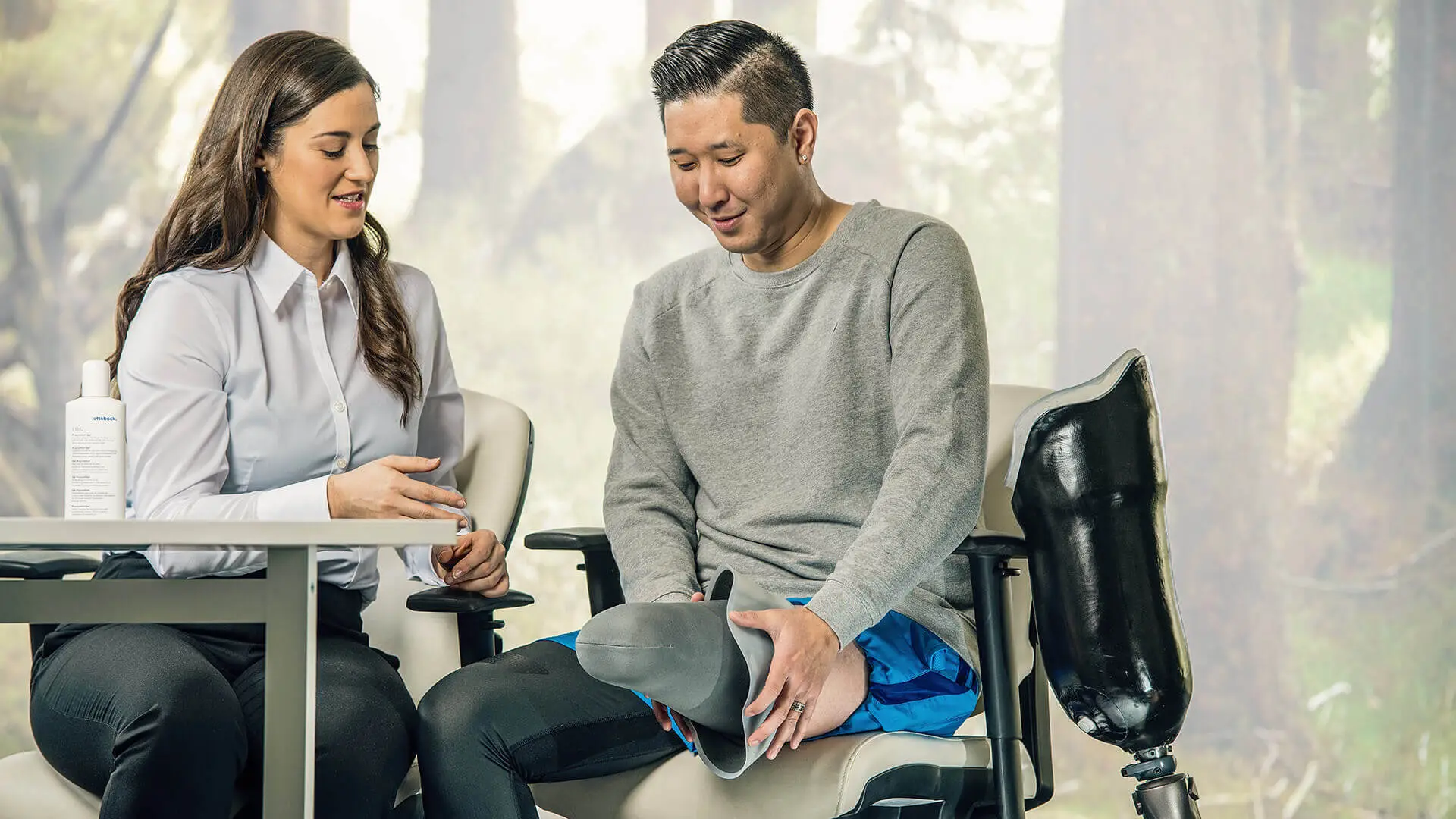
Getting the right orthotics starts with a comprehensive evaluation by a qualified healthcare professional. Podiatrists, orthopedic specialists, and physical therapists can assess your foot mechanics, identify underlying issues, and recommend the most appropriate solution.
During your assessment, expect:
 
  • A thorough examination of your feet and lower limbs
  • Gait analysis to observe how you walk
  • Discussion of your symptoms, medical history, and lifestyle
  • Detailed measurements and possibly imaging if custom orthotics are recommended
Professional fitting ensures your orthotics address your specific needs and provide optimal comfort. Your healthcare provider will also educate you about the advantages and limitations of different orthotic options, empowering you to make informed decisions.
IMG_0682

Proper Use and Care

Once you have your orthotics, follow your healthcare provider’s guidance on:
 
  • Gradual break-in periods to allow your body to adjust
  • How long to wear them each day
  • When to replace them
  • Cleaning and maintenance procedures
Remember that orthotics work best as part of a comprehensive treatment approach that may include physical therapy, appropriate footwear, exercise, and other interventions your care team recommends.
8
Joanie-Harrison-in-action-at-The-Wave
IMG_0539

Making Orthotics Part of Your Pain Management Strategy

Chronic pain doesn’t have to dictate your life. Orthotics provide a proven, non-invasive way to manage discomfort and restore mobility for numerous conditions affecting your feet and lower body.
Whether you start with over-the-counter options or invest in custom devices, the key is getting a proper assessment and finding the right solution for your unique situation. Work with qualified healthcare professionals who can evaluate your needs, provide expert recommendations, and ensure proper fitting.
Your care team may include rehabilitation doctors, nurses, physical and occupational therapists, and case managers who ensure you have the devices and support needed for optimal recovery. This collaborative approach maximizes your chances of success.
Take the first step toward better mobility and reduced pain. Schedule an evaluation with one of our podiatrists or orthopedic specialists to explore whether orthotics can help you move more comfortably and live more fully.

Related Posts

4991312

The Future is Here: Top Advancements in Prosthetic Technology

Technological advancement has continued to explode as the decades pass, with something new and exciting growing weekly. The field of prosthetics has not been immune to these improvements, either, seeing significant advancements that improve not only the accessibility of prosthetics but also their capability and safety.

Read More
prosthetic Lawall

Microprocessor knees – Everything you need to know

Choosing the right type of prosthetic can be overwhelming. Lawall Prosthetics & Orthotics has highly skilled prosthetists who can help you pick the right prosthetic for you. Call us today if you have any questions regarding microprocessor knees or any other type of prosthetic or orthotic.

Read More
Orthotics 101

Orthotics 101: How Custom Orthotics Improve Daily Life

More commonly known as splints, braces, or foot inserts, orthotics are used by those needing extra support. Whether from how their body was born or a condition that builds over the years, orthotics can relieve pain, improve mobility, and increase your quality of life.

Read More
XFT G4

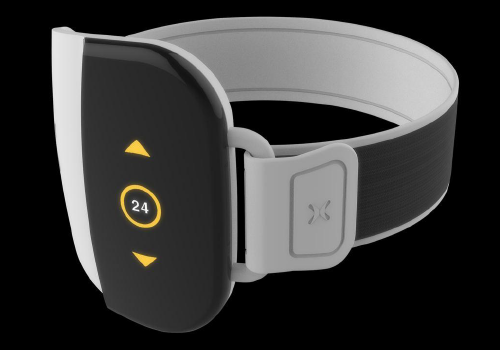
G4 Functional Electrical Stimulation Foot Drop Technology

Foot drop is a common condition experienced by many where an individual is unable to or faces a lot of difficulty lifting the front part of their foot. This can often lead to an increased risk of falling, significantly constraining mobility.

If you have been continuously experiencing foot drop and are looking to improve your altered foot gait and hindered mobility, G4 Functional Electrical Stimulation Foot Drop Technology could be the solution for you.

Read More
Scroll to Top