


Lawall

Medicare’s 2026 Knee Brace Update: What It Means for Your Mobility

For millions of seniors living with osteoarthritis, the simple act of walking to the mailbox or climbing a set of stairs can feel like an insurmountable challenge. When the protective cartilage in your knee wears away, the resulting “bone-on-bone” friction causes pain that limits not just your movement, but your independence.

Historically, accessing non-surgical relief through Medicare has been a complicated process. Many beneficiaries found themselves caught in a cycle of denials because their condition didn’t meet specific, rigid criteria regarding joint looseness or “instability.”

However, a significant policy change went into effect on January 25, 2026. Medicare updated its Local Coverage Determination (LCD) for knee orthoses. This expansion removed major barriers to care, making it easier for individuals with osteoarthritis to access the bracing technology they need. If you have been managing knee pain without success, understanding these new guidelines could be the first step toward reclaiming your active lifestyle.

Osteoarthritis

Understanding the Impact of Osteoarthritis

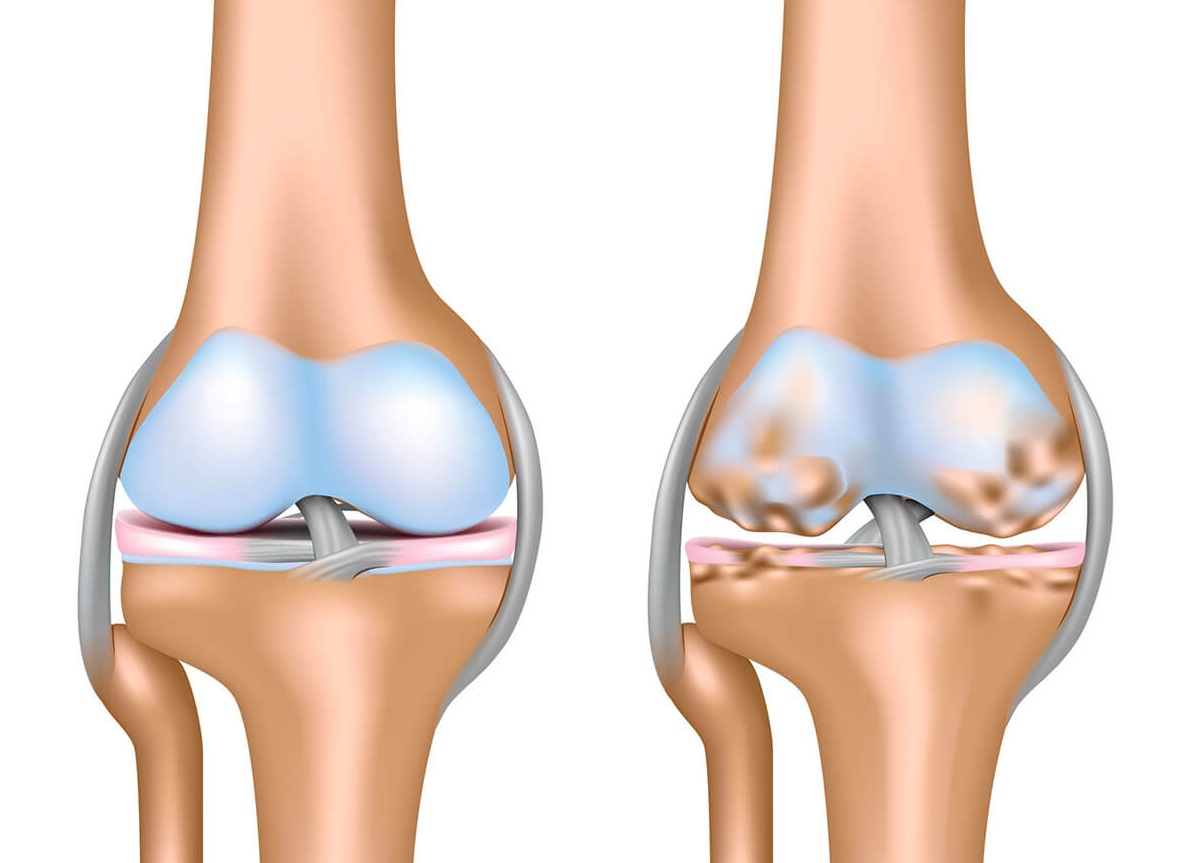
Before diving into the policy specifics, it is helpful to understand why this coverage expansion is so vital. Osteoarthritis (OA) is often referred to as “wear and tear” arthritis. In the knee, it typically affects the medial (inner) or lateral (outer) compartments.

When the cartilage degenerates, the bones rub against each other, leading to stiffness, swelling, and severe pain.

This condition does more than cause physical discomfort; it impacts your entire world. The inability to move freely can lead to social isolation, weight gain, and a decline in mental health. While knee replacement surgery is a common solution, not everyone is a candidate for surgery, and many prefer to explore conservative options first.

Orthotic devices, specifically knee braces, offer a bridge to better mobility. By combining intelligent technology with thoughtful design, these devices can reduce the weight placed on a joint, allowing you to move with greater confidence and less pain.

Centers for Medicare and Medicaid Services

The Major Change: Removing the "Instability" Barrier

For years, Medicare coverage for specific high-quality knee braces—specifically those designed to “unload” pressure from the knee—required documentation of “objective joint instability.” This meant that unless a doctor could prove your knee joint was physically loose or wobbling during an exam, you might be denied coverage, even if you were in severe pain from osteoarthritis.

Effective January 25, 2026, this requirement has changed.

The Centers for Medicare & Medicaid Services (CMS) and Durable Medical Equipment Medicare Administrative Contractors (DME MACs) have revised the policy to acknowledge that instability is not the only valid reason for a brace. Under the new guidelines, coverage for unloader braces will be available based on the presence of osteoarthritis symptoms and functional impairment, rather than joint laxity alone. This alignment with clinical reality means that more patients can access the care they need before their condition worsens.

Eligibility Checklist for 2026 Coverage

To ensure you qualify under the new rules, your medical records must paint a clear picture of your condition. Coverage is not automatic; it requires specific documentation from your healthcare provider.
To qualify for a knee orthosis (HCPCS codes L1843, L1845, L1851, and L1852) under the new criteria, you must meet the following requirements:

1. Documented Diagnosis

You must have a diagnosis of medial or lateral tibiofemoral osteoarthritis. This is typically confirmed through imaging, such as an X-ray or MRI, which shows arthritic changes like joint space narrowing or bone spurs.

2. Ambulatory Status

You must be ambulatory. This means you are currently able to walk (even if you use a cane or walker). Medicare generally covers these braces for individuals who need them to continue moving and performing daily activities.

3. Symptoms Affecting Function

Your medical records must document that you are experiencing pain or a reduction in mobility and function due to your osteoarthritis. It is not enough to simply have arthritis on an X-ray; your doctor must note how it impacts your daily life, such as difficulty standing, walking, or climbing stairs.

4. Appropriate Brace Selection

The prescribed orthosis must provide varus or valgus adjustment. These are specific medical terms for the “unloading” mechanism.

  • Varus adjustment is used when the arthritis is on the inner (medial) side of the knee.
  • Valgus adjustment is used when the arthritis is on the outer (lateral) side.

This adjustment physically shifts the load away from the damaged area, providing relief.

5. Willingness to Use

You must express a willingness to use the knee orthosis. Compliance is key to success, and Medicare requires documentation that you are committed to wearing the device as part of your treatment plan.

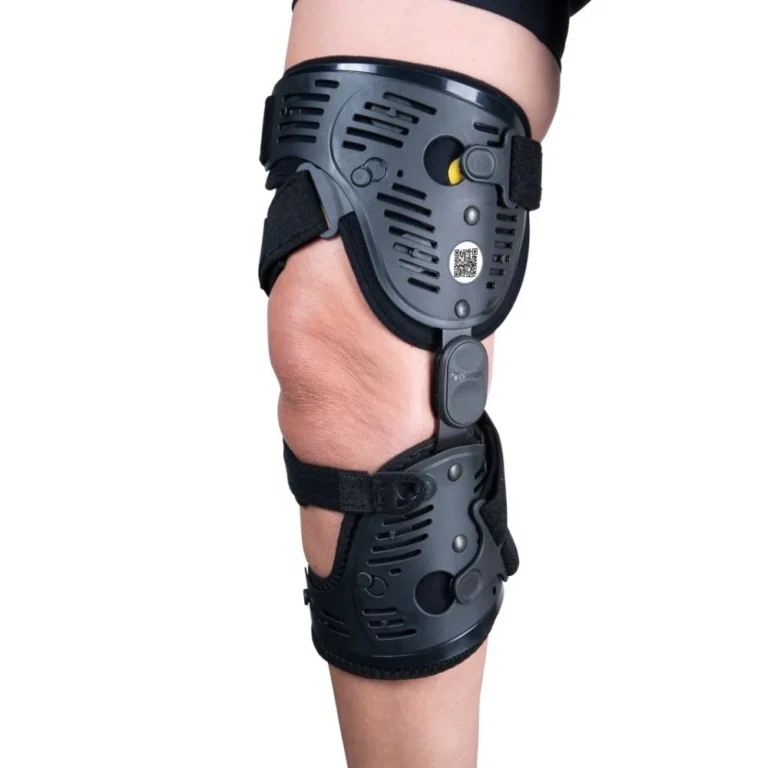
Ossur Unloader Knee Brace

Types of Covered Orthoses

The new policy applies to specific types of custom-fitted and off-the-shelf braces. These are generally described as knee orthoses with adjustable flexion and extension joints that provide stability and rotation control.

Commonly covered devices under this expansion fall into these categories:

  • Unloader Braces: These are designed specifically for the “bone-on-bone” friction of osteoarthritis. They apply gentle pressure to the healthy side of the knee to open up space on the painful side.
  • Hinged Knee Braces: These provide rigid support to stabilize the joint and prevent hyperextension or buckling, which can be vital for confidence while walking.

With the right combination of physical rehabilitation and orthotic care, returning to your daily activities is possible. These devices are designed to be durable and supportive, offering a non-invasive way to manage chronic conditions.

Health Insurance Payments

Financial Considerations: What You Will Pay

While Medicare coverage makes these devices significantly more affordable, it rarely covers 100% of the cost. Understanding your financial responsibility is important for planning your care.

Part B Deductible and Coinsurance

Knee braces fall under the category of Durable Medical Equipment (DME), which is covered by Medicare Part B.
  • Deductible: You must first meet your annual Part B deductible. If you have not yet paid this amount for the year through other medical visits, you will be responsible for it before coverage kicks in.
  • Coinsurance: Once your deductible is met, Medicare typically pays 80% of the Medicare-approved amount. You are responsible for the remaining 20% coinsurance.

Supplemental Insurance

If you have a Medigap (Medicare Supplement) policy, it may cover some or all of that 20% coinsurance. If you have a Medicare Advantage plan, you should check with your specific provider, as they must offer at least the same benefits as Original Medicare but may have different copayment structures.

Finding the Right Provider

Selecting an experienced, certified provider who specializes in knee braces is a key step toward successful treatment and improved mobility. An expert provider will ensure your knee brace is properly fitted, meets your specific medical needs, and fully complies with Medicare’s requirements. Working with a specialist not only enhances comfort and function but also streamlines every stage of the process—from documentation to fitting. Lawall is in network with nearly every payor and is dedicated to helping you navigate coverage and approval, making it easier to access the supportive care you deserve with confidence.

Taking the Next Step

Orthotic technology continues to empower individuals to overcome mobility challenges and reclaim a more active lifestyle. If you think a knee brace could enhance your mobility, your journey should begin with a discussion with your doctor or orthopedic specialist.

Before your appointment, take note of specific situations where knee pain impacts your daily life. Clearly share how these limitations affect your ability to walk, climb stairs, or participate in activities you enjoy. This information will help your provider document your ambulatory status and functional impairments accurately—an important step for Medicare coverage.

Choosing an experienced, certified provider who specializes in knee braces is essential for successful treatment. Such providers ensure you receive a properly fitted device tailored to your needs and compliant with Medicare requirements. With Lawall, you will receive knowledgeable guidance and compassionate support from initial paperwork to your final fitting, allowing you to focus on regaining your independence and comfort.

Taking this step with a certified provider helps you access not only the right orthotic solution, but also the reassurance that the entire coverage process is managed with expertise and care.

Explore More From Lawall

cranial molding helmet Eagles

When to Consider a Cranial Molding Helmet for Your Baby

The sound of sneakers hitting pavement, the splash of water against a swimmer’s body, the satisfying crack of a golf ball meeting the sweet spot—these moments of athletic achievement aren’t limited by limb difference. Athletes with prosthetics are redefining what’s possible in sports, proving that determination combined with innovative technology can overcome any barrier.

Read More
Pediatric Orthotics

Pediatric Orthotics: Supporting Growth and Development

Technological advancement has continued to explode as the decades pass, with something new and exciting growing weekly. The field of prosthetics has not been immune to these improvements, either, seeing significant advancements that improve not only the accessibility of prosthetics but also their capability and safety.

Read More
KENEVO KNEE JOINT LF2

MPKs for K2 Users Improving Mobility and Quality of Life

Technological advancement has continued to explode as the decades pass, with something new and exciting growing weekly. The field of prosthetics has not been immune to these improvements, either, seeing significant advancements that improve not only the accessibility of prosthetics but also their capability and safety.

Read More
Orthotics​

Why Custom Orthotic Design Matters for Your Health

Technological advancement has continued to explode as the decades pass, with something new and exciting growing weekly. The field of prosthetics has not been immune to these improvements, either, seeing significant advancements that improve not only the accessibility of prosthetics but also their capability and safety.

Read More
Scroll to Top