





Lawall

Healthy Joints for Life: Why Stretching Matters Now

Flexibility naturally declines with age, research suggests joint range of motion can decrease by up to 45% from youth to older adulthood (Hwang & Jung, 2015). Building consistent stretching habits early maintains muscle elasticity, protects joint integrity, and reduces injury risk well into adulthood. Focusing on major joints like the hips, knees, shoulders, and spine is the most effective place to start.
 
You bend down to tie your shoes and feel a pull in your lower back. You reach overhead for something on a shelf and your shoulder aches. These moments seem small, but over time, they add up — and they often trace back to the same root cause: declining joint flexibility that went unaddressed for years.
 
At Lawall Prosthetics & Orthotics, we’ve spent nearly five decades helping people restore and protect their mobility. What we see again and again is that many of the joint complications adults face are not inevitable — they’re the result of habits that were never built. Stretching is one of the simplest, most underrated tools you have for protecting your joints over a lifetime.
 
This post breaks down why flexibility declines with age, what the science says about stretching for joint health, and how you can build a practical routine that keeps you moving freely for years to come.
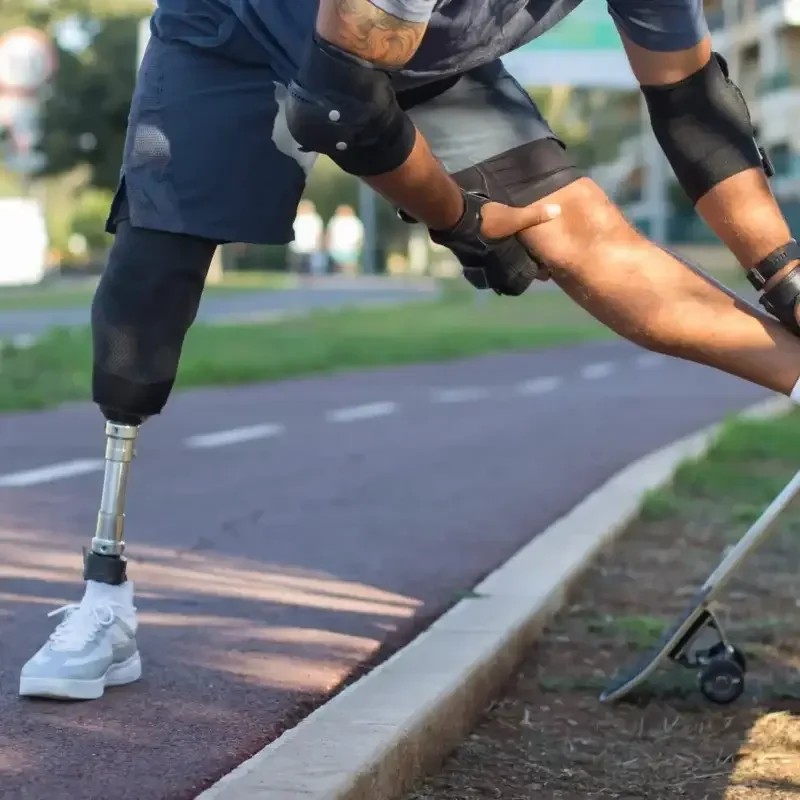
prosthetic-leg-stretch
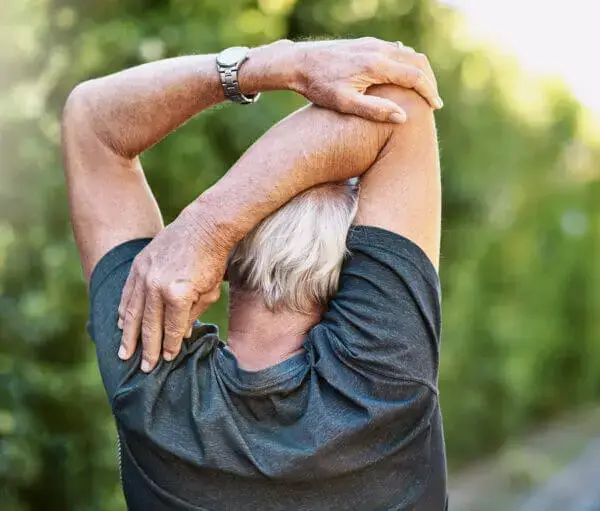
elderly-arm-stretching
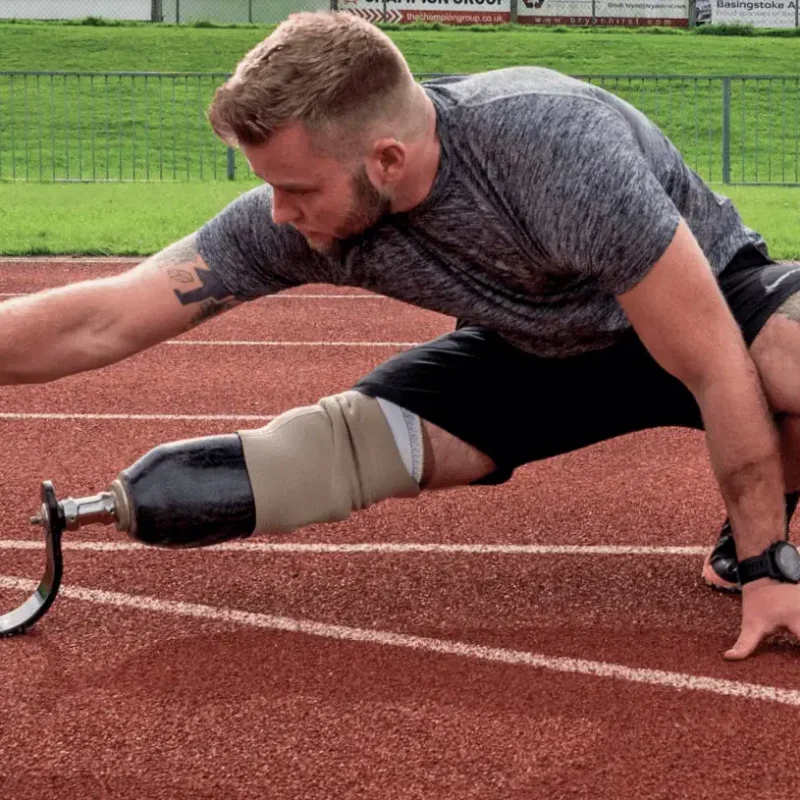
amputee-stretching
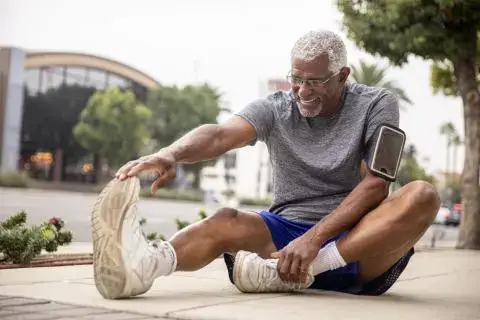
adult stretching behing back

What Is Range of Motion and Why Does It Matter for Joint Health?

Range of motion (ROM) refers to the extent of movement a specific joint can achieve, measured in degrees of a circle. Your knee bending toward your thigh, your shoulder lifting overhead, your spine twisting side to side, each of these movements has an accepted healthy range that supports pain-free, efficient function.

According to Verywell Health, citing American Academy of Orthopedic Surgeons normative values, a healthy knee can flex to approximately 135°, a hip can flex to around 120°, and a shoulder can extend through a full 180° of abduction. When joints operate within these ranges, they absorb impact evenly, move without strain, and allow surrounding muscles to fire correctly. When ROM decreases, the body compensates and compensation patterns are where injury begins.

For your joints to stay healthy into adulthood, ROM isn’t a number to hit once. It’s a measure of what your body can sustain over time.

Elderly Stretching

Why Does Flexibility Decline as We Age?

This is the part most people don’t expect: flexibility loss begins earlier than you’d think, and it’s gradual enough that many people don’t notice until the restriction is significant.
 
Research published in the International Journal of Occupational Safety and Ergonomics (Hwang & Jung, 2015) found that joint ROM can decrease by up to 45% from youth to older adulthood. The primary drivers are changes in muscle elasticity and connective tissue. As we age, collagen fibers within tendons and ligaments become stiffer and less hydrated. Muscles that go unstretched shorten and lose their capacity to lengthen fully under load.
 
There’s another important principle at work here: a tight muscle is often a weak muscle. When a joint is restricted in its range, the muscles surrounding it can’t contract and lengthen through their full arc. Strength training in a limited range builds strength only in that limited range. The result is a joint that feels stiff, functions inefficiently, and is vulnerable to strain when forced beyond its compressed limits.
 
Starting stretching habits early and maintaining them consistently can significantly slow this natural decline. The habits you build now protect the range you have.
dynamic stretching
static stretching

The Science Behind Stretching for Joint Health

Stretching works in two primary ways: it maintains the elasticity of muscles and connective tissues, and it reinforces the movement patterns that keep joints stable and functional.
 
There are two main types of stretching, and both have a role to play.
 
Dynamic stretching involves actively moving joints through a range of motion. Leg swings, hip circles, walking lunges before physical activity. According to the Cleveland Clinic, dynamic stretching increases blood flow, raises muscle temperature, reduces tissue resistance, and improves flexibility. It also prepares your neuromuscular system to move with power and coordination. For pre-activity warm-up, dynamic stretching is the right choice.
 
Static stretching involves holding a position for 15 to 90 seconds, allowing the muscle to relax and lengthen. It works best as a cooldown after exercise, reducing post-activity stiffness and helping muscles return to their resting length. According to the Cleveland Clinic, holding static stretches for shorter durations (around 15 to 30 seconds) during a warm-up is appropriate, while longer holds of 60 to 90 seconds are better suited for post-activity recovery.
 
Used together, dynamic and static stretching form a complete approach to joint mobility. One prepares you to move well; the other protects the gains you’ve made.
stretch before running
adult stretching toes

How to Build a Joint-Healthy Stretching Routine as an Adult

The best stretching routine is the one you’ll actually do. It doesn’t require an hour at the gym or specialized equipment. What it does require is consistency.

Here are the principles that matter most:

  • Focus on major joints first. The hips, knees, shoulders, and spine carry the most load and are most vulnerable to restriction. Prioritize these areas, especially if you spend significant time sitting or doing repetitive movements.
  • Start with dynamic stretches before activity. Leg pendulums, walking lunges, and hip circles are effective options. Aim for 10 to 12 controlled repetitions per movement before any exercise or physical demand.
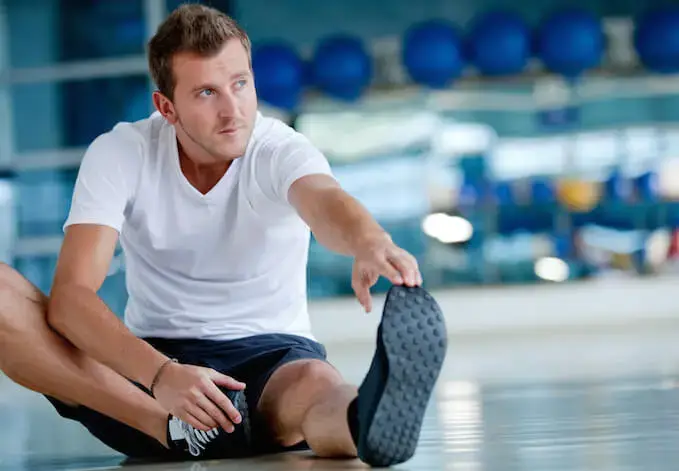
  • Follow activity with static holds. After exercise or a long day of physical activity, use 15 to 30 second holds on areas that feel tight. A seated hamstring stretch, a calf stretch against a wall, and a shoulder cross-body stretch are straightforward options that cover critical areas.
  • Stretch daily, not just on active days. ROM maintenance happens through repeated exposure, not occasional effort. Even five to ten minutes of gentle movement each morning, hip circles, shoulder rolls, and a standing quad stretch keeps connective tissue pliable and reduces morning stiffness.
  • Respect your body’s signals. Stretching should feel like a gentle, steady pull. If you feel sharp pain, stop. Pain is not a sign that a stretch is working, it’s a signal that something is wrong.
Orthotics for stretching

What Happens When Stretching Alone Isn't Enough?

For many people, consistent stretching is sufficient to maintain healthy joint function throughout adulthood. However, some joint conditions, the result of injury, disease, structural changes, or years of compensation require more than a morning routine can address.
 
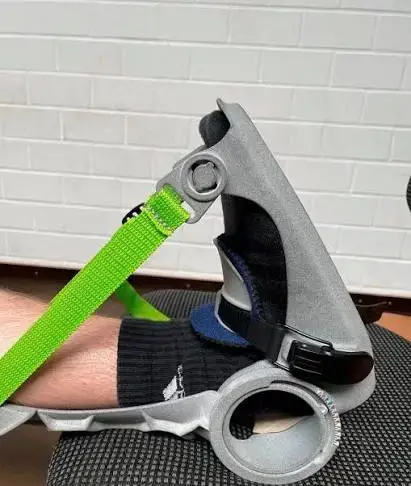
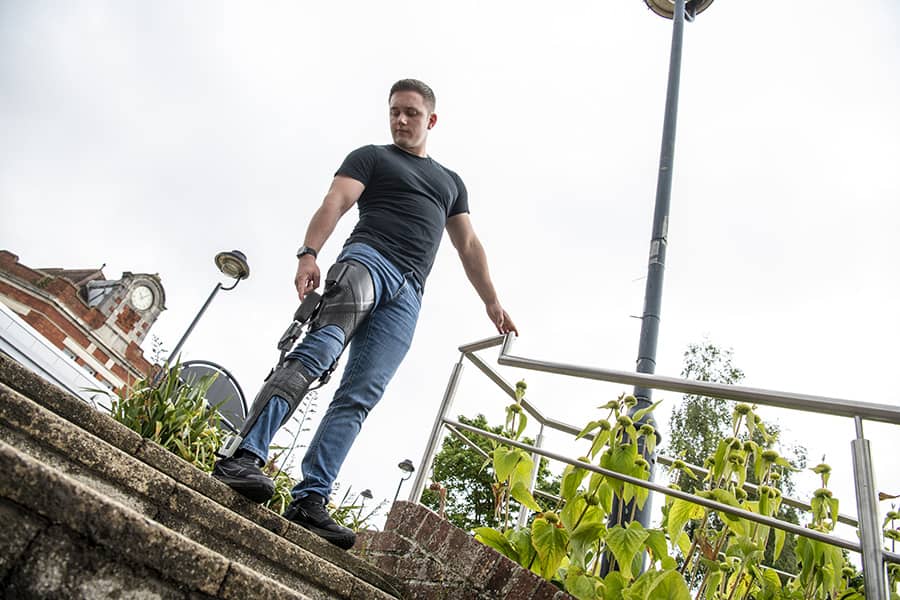
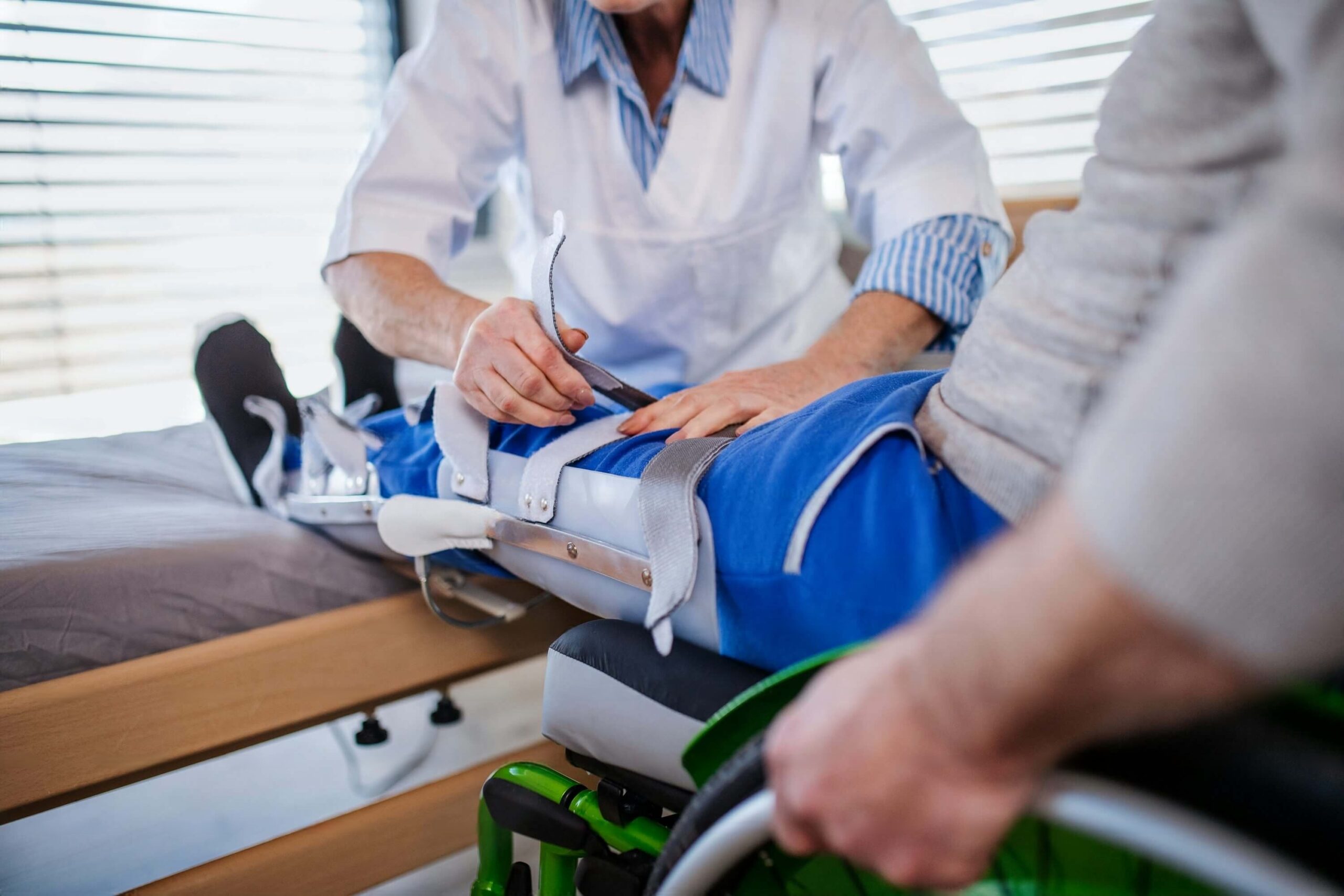
Restricted range of motion can stem from arthritis, ligament damage, post-surgical scar tissue, or conditions affecting the musculoskeletal system that responded poorly to insufficient early intervention. In these cases, orthotic support can be an effective, non-invasive pathway toward restored mobility. At Lawall Prosthetics & Orthotics, our certified practitioners design custom orthotic devices that guide proper joint alignment, reduce compensatory load on surrounding structures, and support the movement patterns that stretching alone cannot fully restore.
 
The goal, always, is freedom of movement on your terms and within your body’s current capacity.

Start Where You Are, Protect What You Have

Joint health is a long game. The ache you feel today often began quietly, years earlier, in the form of habits that weren’t built and movements that were never maintained. That’s not a reason for discouragement, it’s a reason to start now.

Even modest, consistent stretching produces real change over time. A few minutes each morning targeting your hips and shoulders, a short cooldown after your evening walk, awareness of how your body moves throughout the day. These small commitments compound. Your joints carry you through every step of your life. Protecting them is one of the most direct investments you can make in your independence.

If you’re noticing persistent stiffness, discomfort, or a reduction in your range of motion that doesn’t respond to regular stretching, don’t wait. Early intervention consistently delivers better outcomes than managing a problem that’s had years to progress. Our team at Lawall Prosthetics & Orthotics is here to assess your joint health, answer your questions, and work alongside you toward lasting mobility.

Frequently Asked Questions About Cranial Helmet Therapy

Stretching maintains the elasticity of muscles and connective tissues surrounding joints, allowing them to move through their full range of motion. When muscles remain flexible, joints absorb impact more effectively, move with less compensatory strain, and are less vulnerable to injury. Regular stretching also helps prevent the stiffness that accumulates from prolonged sitting or repetitive movement patterns.

Dynamic stretching involves active, repetitive movement through a joint’s range such as leg swings or hip circles and is most beneficial before physical activity. Static stretching involves holding a position for 15 to 90 seconds and is most effective as a cooldown after exercise. Both types contribute to joint health; dynamic stretching prepares joints for load and movement, while static stretching supports long-term flexibility and recovery.

According to research by Hwang & Jung (2015), joint range of motion can decrease by up to 45% from youth to older adulthood. This decline is driven by changes in muscle elasticity and connective tissue stiffness. Consistent stretching habits can significantly slow this process and help adults retain functional range of motion well into later years.

The hips, knees, shoulders, and spine are the highest-priority areas for adults, as these joints carry the greatest load and are most commonly affected by age-related stiffness. Hip flexor and glute stretches, quad and hamstring work, shoulder mobility movements, and spinal rotation exercises cover the most critical functional areas.

If you experience persistent stiffness, sharp or ongoing joint pain, noticeable asymmetry in your range of motion, or difficulty with daily movements that stretching does not improve, it’s time to consult a professional. Conditions such as arthritis, post-surgical restriction, or structural joint changes may require orthotic support or specialized care in addition to or instead of a home stretching routine.

Related Posts

The Flamingo stretch

Why Your Child Needs to Stretch for Healthy Joint Development

As parents, we marvel at how flexible our children seem. Whether they’re learning to walk, climbing jungle gyms, or sitting in positions that make our own knees ache just looking at them, kids often appear made of rubber. However, ensuring they maintain healthy mobility as they grow requires more than just natural youthfulness, it requires attention to Range of Motion (ROM).
Read More
Blatchford Tectus

How Orthotics Can Help Manage Chronic Pain and Improve Mobility

The sound of sneakers hitting pavement, the splash of water against a swimmer’s body, the satisfying crack of a golf ball meeting the sweet spot—these moments of athletic achievement aren’t limited by limb difference. Athletes with prosthetics are redefining what’s possible in sports, proving that determination combined with innovative technology can overcome any barrier.

Read More
Orthotics​

Why Custom Orthotic Design Matters for Your Health

Technological advancement has continued to explode as the decades pass, with something new and exciting growing weekly. The field of prosthetics has not been immune to these improvements, either, seeing significant advancements that improve not only the accessibility of prosthetics but also their capability and safety.

Read More
Scroll to Top