

Lawall

The Future of Prosthetics: Adaptive Pattern Recognition

Navigating life after an upper-limb amputation presents unique physical and emotional hurdles. For decades, the prosthetic devices available to amputees offered incredible functional support, yet they often came with a steep learning curve. Traditional prosthetic control methods present distinct challenges, limiting user satisfaction and functionality. The increasing capabilities of commercially available prosthetic hands and wrist devices simply cannot be intuitively controlled using older direct and proportional control paradigms.
 
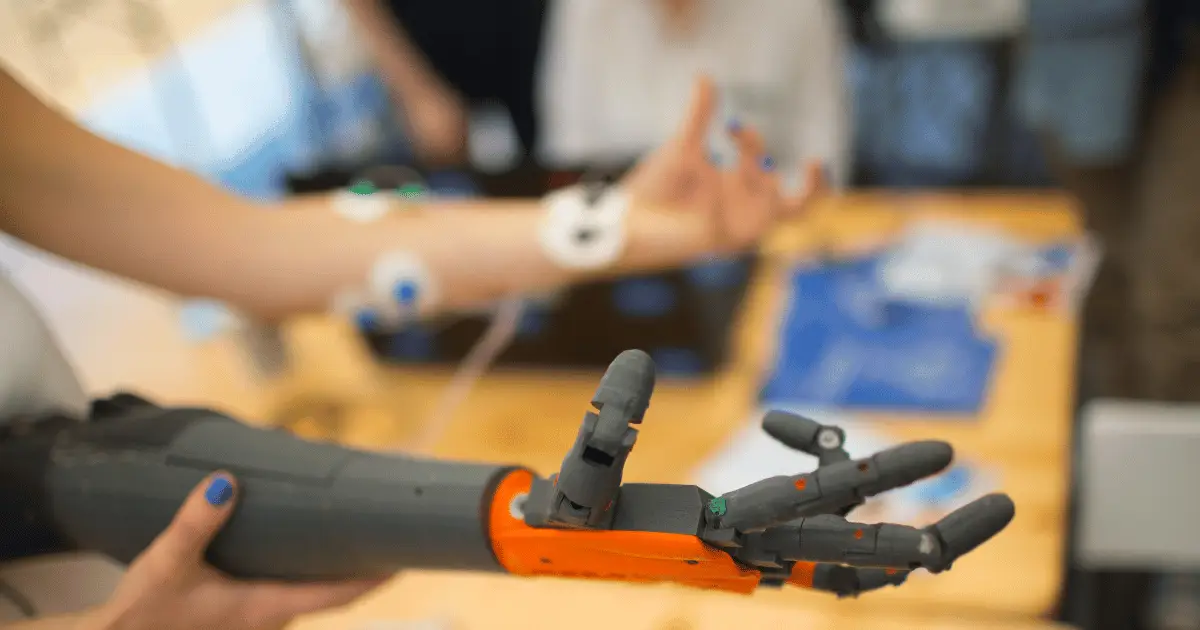
Fortunately, modern orthotic and prosthetic technology has transformed the way individuals manage and overcome these physical challenges. Many researchers have turned to pattern recognition as a means of analyzing multi-channel myoelectric signals to provide more intuitive control of advanced prostheses. This breakthrough allows users to control their devices with physiologically appropriate muscle contractions, eliminating the need for complicated and frustrating mode switching.
 
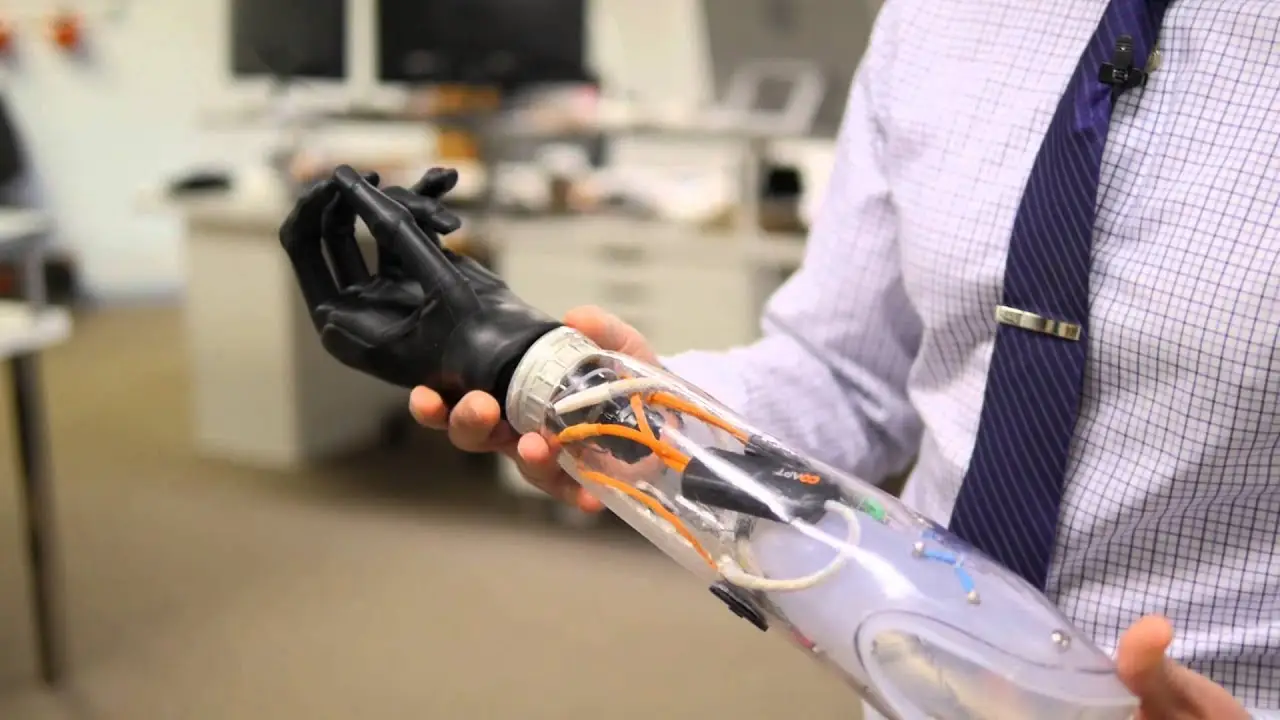
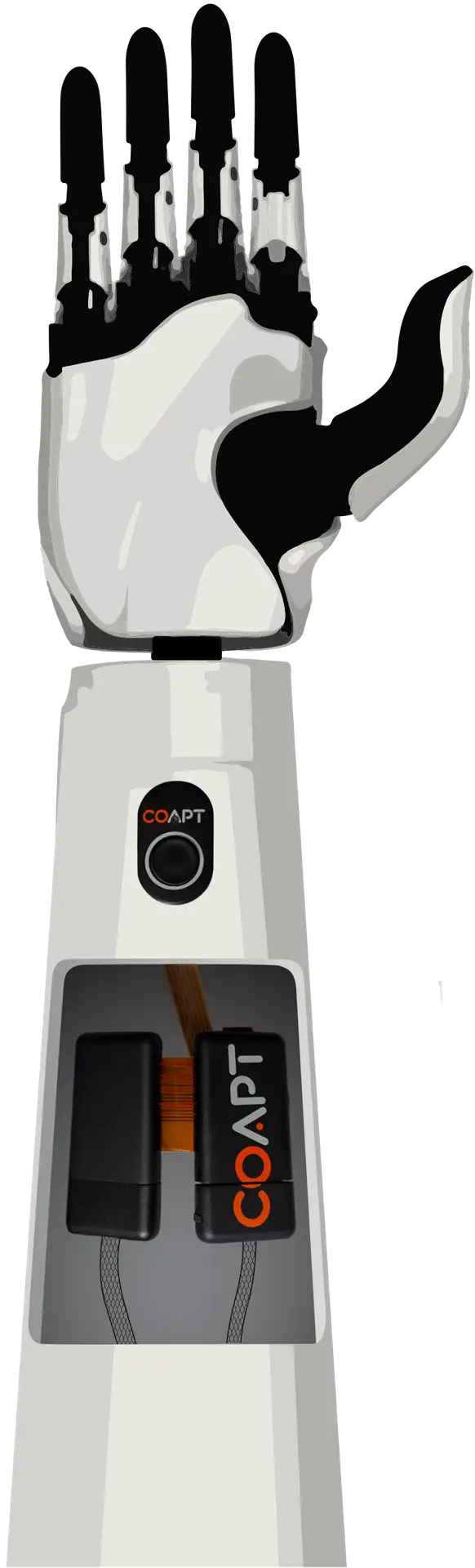
A prime example of innovation in this field is Coapt Engineering, a leader in pattern recognition technology. Coapt’s systems are designed to recognize and adapt to individual muscle signals, providing users with more natural, accurate control of their prosthetic devices. Their advancements help to promote greater independence and confidence for prosthesis users, ensuring the technology works seamlessly with each person’s unique movement patterns.
 
At Lawall Prosthetics and Orthotics, we believe that adaptive pattern recognition offers superior, more intuitive, and reliable prosthetic control. By combining intelligent technology with thoughtful design, these groundbreaking devices adapt to your unique needs, creating new possibilities in everyday life and significantly enhancing your overall usability.
coapt-learn-arms-crossed
pattern-recognition-candidate-1024x930
learn-reading-newspaper
coapt pattern recognition

Understanding Myoelectric Prostheses and Pattern Recognition

Myoelectric prostheses use natural muscle signals to function. Electrodes sit against the skin of the residual limb and pick up the electrical activity generated when you contract your muscles. In traditional direct control systems, a single electrode monitors muscle activity at a specific location to control a single action. Proportional control extends this concept slightly, varying the velocity of the action based on the strength of the detected signal.

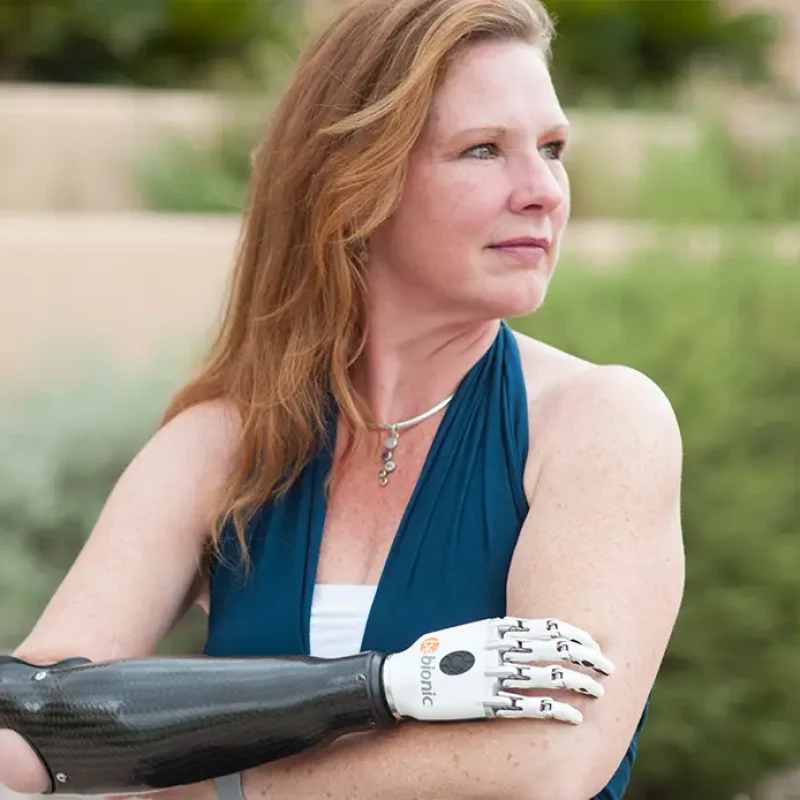
Pattern recognition takes this technology much further. Even after a forearm amputation, a mental image of the hand usually remains mapped in the brain. You can still imagine closing, opening, or rotating your hand. Pattern recognition systems process a wide array of myoelectric signals, extract specific signal features, and make classification decisions based on the unique way your muscles fire.

The system learns to interpret your individual movement patterns and assigns them to control specific prosthetic movements. Because the technology reads a broader pattern of muscle activity, finding isolated myoelectric control sites is largely unnecessary. This provides highly intuitive control and dramatically reduces the cognitive load required to operate the limb.

coapt adaptive prosthetics

The Importance of Training for Optimal Use

Proper patient training is absolutely essential for the effective use of any myoelectric device. Pattern recognition control systems have the potential to provide incredibly reliable control, but success depends on a structured learning process. We guide our patients through four distinct stages of training to ensure they feel confident and capable.

Conceptual Training

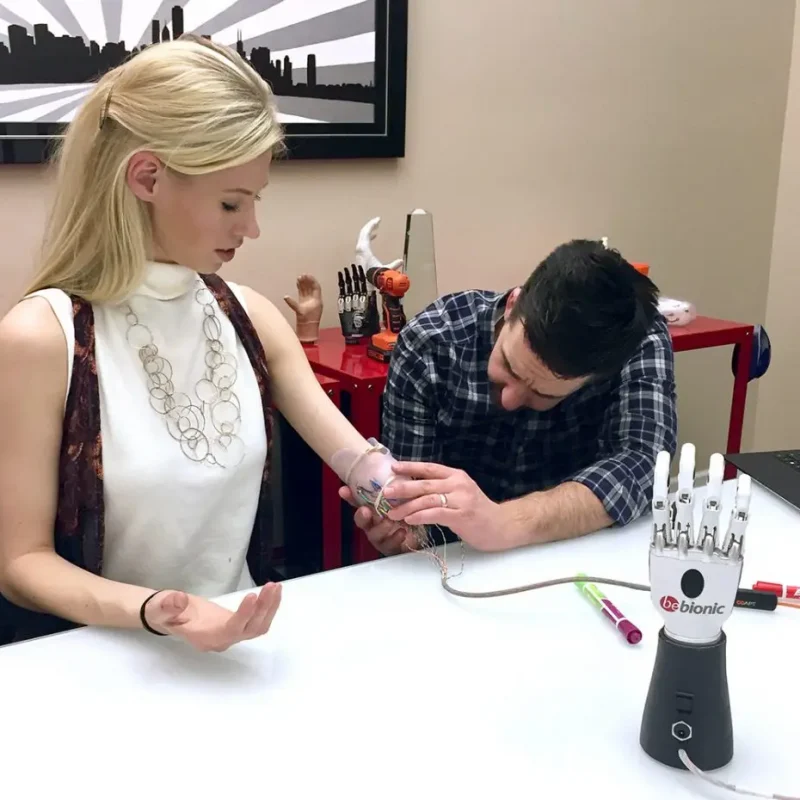
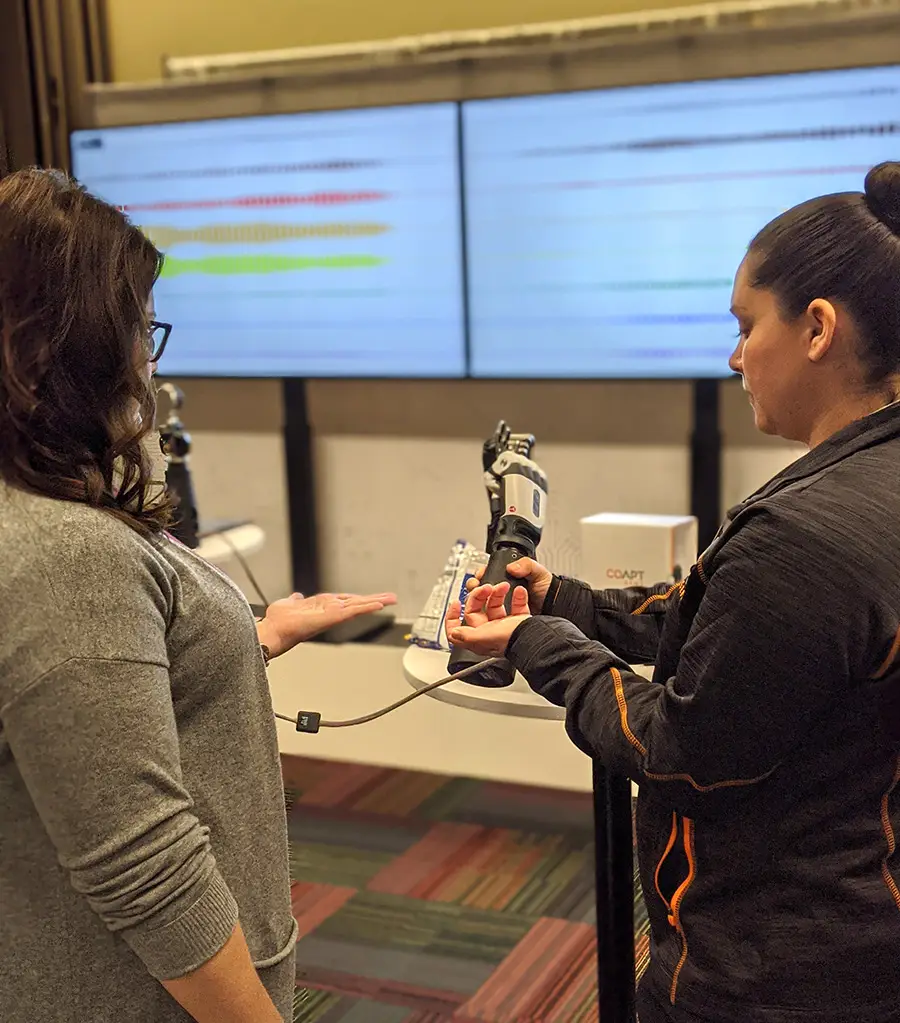
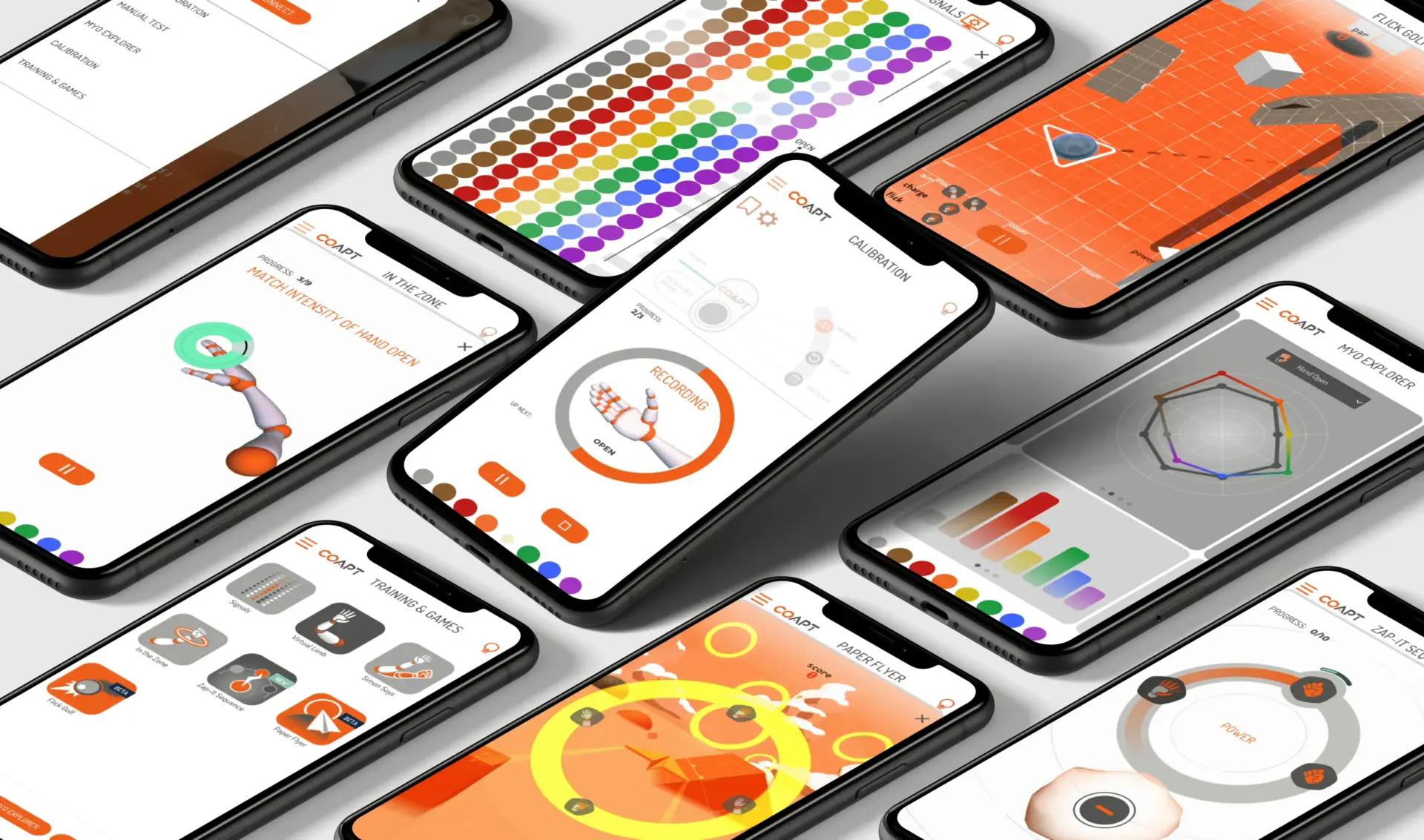
The first phase involves introducing the core concepts of the system. This stage does not require the use of a physical prosthesis and can begin prior to your initial socket fabrication. We teach you that the patterns of muscle activity from all electrode sites work together to control the movement. You will learn to perform consistent muscle contractions at a moderate level of effort. We use tools like myoelectric signal viewers, screen-guided training, and virtual reality environments to help you visualize your progress.

Control Training

Once your socket is fabricated with embedded electrodes, we move to physical control training. Learning to operate an actual prosthesis can feel different than controlling a virtual one. We provide constant guidance and reminders to maintain a moderate level of effort. Trying too hard or changing the way you perform muscle contractions are the most common causes of poor control. Our goal here is for you to successfully operate all degrees of freedom sequentially.

Functional Use Training

After you master basic control, we focus on daily life. Functional use training involves handling objects and performing bimanual activities. We practice tasks like picking up a lunch tray, folding laundry, and taking money out of a wallet. This stage builds the practical skills you need to return to your favorite activities with confidence.

Prosthesis Recalibration Training

The final stage of your training teaches you how to maintain the performance of your device. You will learn how and when to prompt the system to recalibrate during everyday usage, ensuring your prosthesis remains responsive and accurate over time.

The Evolution to Adaptive Pattern Recognition

Adaptive pattern recognition solves this problem. Adaptive control algorithms retrain, rather than overwrite, the existing control system each time you recalibrate. Instead of starting from scratch, the system continuously learns and updates based on your current muscle signals. This adaptive approach leads to more satisfactory control, significantly reduces the need for manual recalibration, and increases the total time users comfortably wear their devices.

Evidence and Studies Supporting Adaptive Control

The clinical benefits of adaptive pattern recognition are well documented. Recent studies and clinical trials highlight remarkable improvements in user outcomes. In one notable study involving amputees using adaptive systems, researchers recorded highly positive results across multiple metrics.
 
The mean movement completion percentage for the group improved from 70.8% to an impressive 99.0%. Additionally, the mean normalized movement completion time dropped from 1.47 to 1.13, indicating faster and more natural movement. Finally, the post-selection classification accuracy improved from 77.5% to 94.4%. These statistics translate to fewer dropped objects, less frustration, and a much more fluid experience for the user.
Coapt Control Companion Games

Key Features and Technologies in Adaptive Systems

Several advanced systems on the market utilize this adaptive technology. Myo Plus by Ottobock is a prime example of an advanced pattern recognition system designed to give users more control, more confidence, and less cognitive strain.

Intuitive Control and Direct Access

Myo Plus adapts to your natural movements instead of requiring you to adapt to the system. By linking natural phantom limb movements to prosthetic functions, switching between grip patterns is instantaneous. You do not need external inputs or awkward switching mechanisms, making multitasking and quick reactions much easier.

Enhanced Proportional Control

Because you define your own muscle signals, these advanced systems allow for highly precise control. You gain enhanced proportional control over the speed, grip strength, and finger movement of the terminal device, allowing for delicate tasks as well as strong grasping.

Fine-Tuning and App Integration

Modern adaptive systems offer seamless mobile integration. The patterns your prosthesis uses can be viewed and adapted directly with tools like the Myo Plus app. This allows you to fine-tune your adjustments on the go, ensuring your device always responds exactly how you want it to.
Bionic Arm Prosthetic

Future Outlook and Impact

The future of prosthetic control is bright. As artificial intelligence and machine learning algorithms continue to improve, we expect adaptive pattern recognition to become even more precise and responsive. This will have a profound impact on individuals with upper-limb amputations, offering a level of independence and anatomical normalcy that was previously unimaginable.

Furthermore, the healthcare industry is recognizing the medical necessity of these advanced systems. As of April 1, 2025, the Centers for Medicare & Medicaid Services (CMS) has approved the addition of L6700, a dedicated reimbursement code specifically for pattern recognition control systems used in myoelectric prostheses. This crucial regulatory update will make this life-changing technology accessible to a much broader population of patients.

Embracing a New Era of Prosthetic Control

Adaptive pattern recognition represents a new paradigm in the management of upper-limb loss. By learning your unique physiological signals and adapting to changes over time, these systems provide a seamless, intuitive extension of your own body. They reduce cognitive strain, minimize frustrating recalibrations, and give you the freedom to focus on your life rather than your limb.

At Lawall Prosthetics and Orthotics, our dedicated team is here to support you through every step of this exciting technological journey. With the right combination of expert training and groundbreaking orthotic care, returning to your daily activities is entirely possible. Contact us today to schedule a consultation and learn how adaptive pattern recognition can help you reach your full potential.

Related Posts

cranial molding helmet Eagles

When to Consider a Cranial Molding Helmet for Your Baby

The sound of sneakers hitting pavement, the splash of water against a swimmer’s body, the satisfying crack of a golf ball meeting the sweet spot—these moments of athletic achievement aren’t limited by limb difference. Athletes with prosthetics are redefining what’s possible in sports, proving that determination combined with innovative technology can overcome any barrier.

Read More
Pediatric Orthotics

Pediatric Orthotics: Supporting Growth and Development

Technological advancement has continued to explode as the decades pass, with something new and exciting growing weekly. The field of prosthetics has not been immune to these improvements, either, seeing significant advancements that improve not only the accessibility of prosthetics but also their capability and safety.

Read More
KENEVO KNEE JOINT LF2

MPKs for K2 Users Improving Mobility and Quality of Life

Technological advancement has continued to explode as the decades pass, with something new and exciting growing weekly. The field of prosthetics has not been immune to these improvements, either, seeing significant advancements that improve not only the accessibility of prosthetics but also their capability and safety.

Read More
Scroll to Top