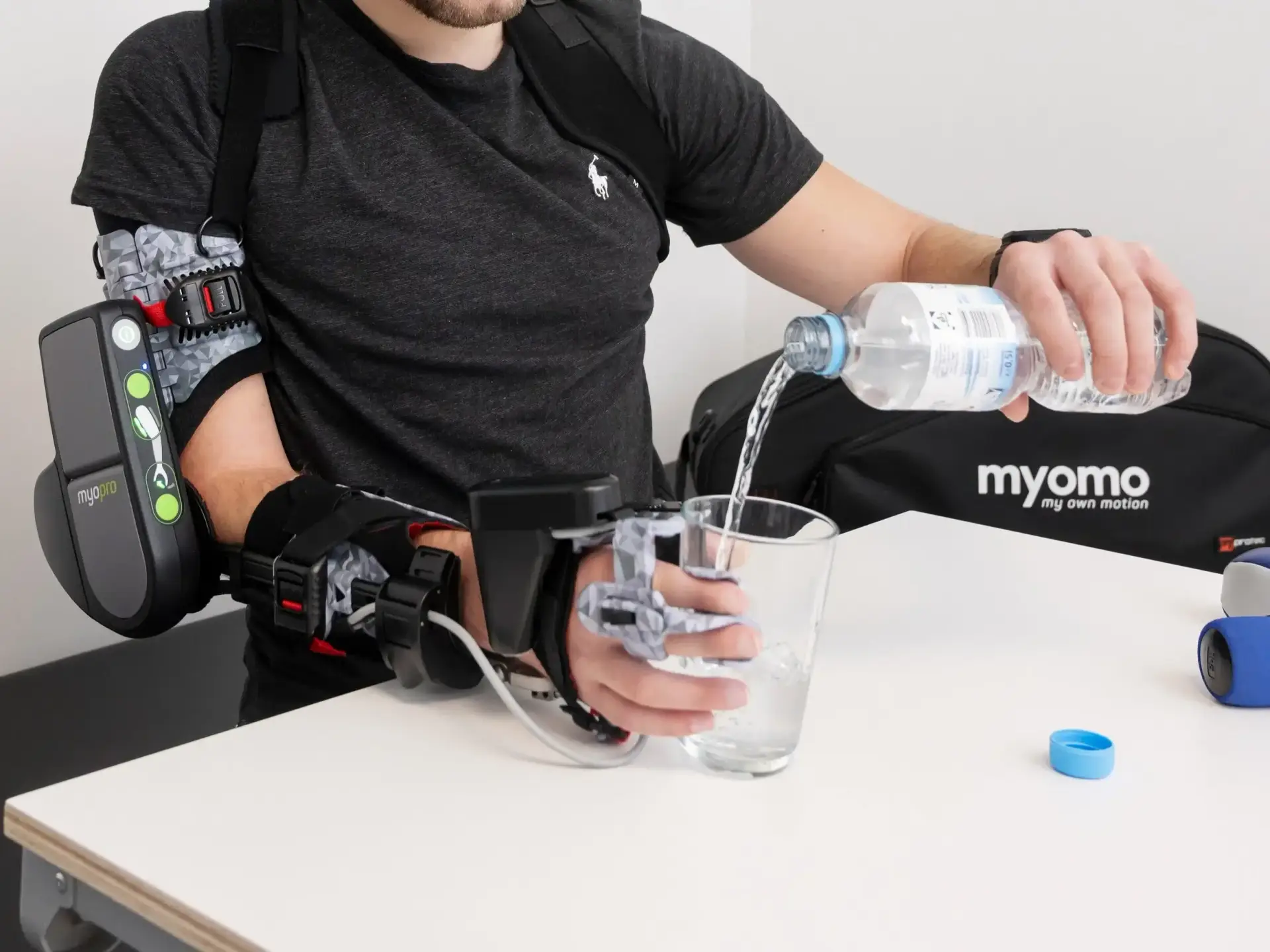
Regaining Arm Function After Stroke: How the MyoPro Orthosis Works
The MyoPro is a myoelectric powered arm and hand orthosis, originally developed at MIT with Harvard Medical School, that reads a wearer’s own muscle signals through the skin
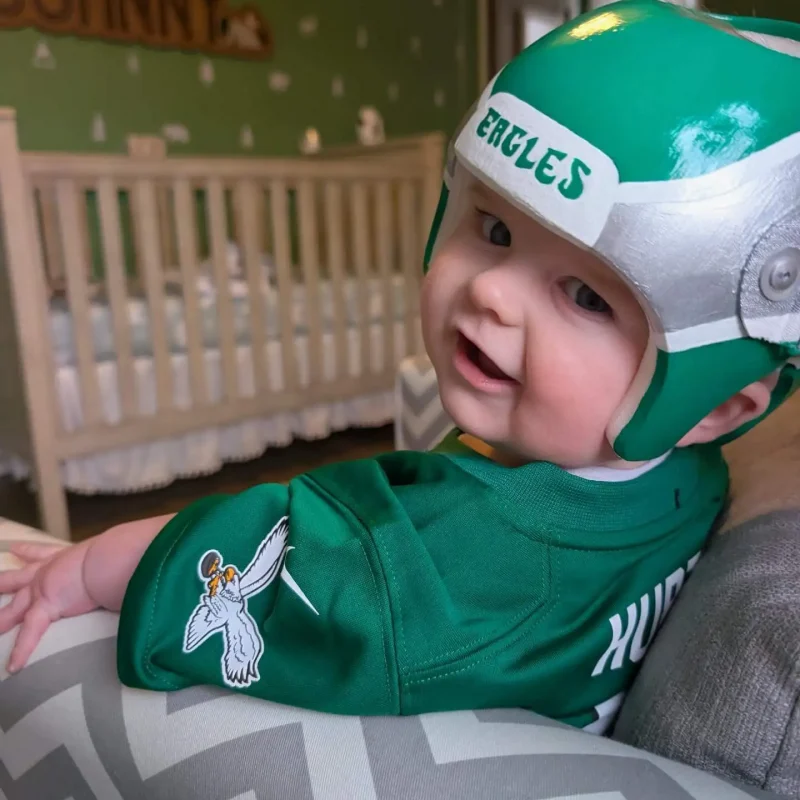

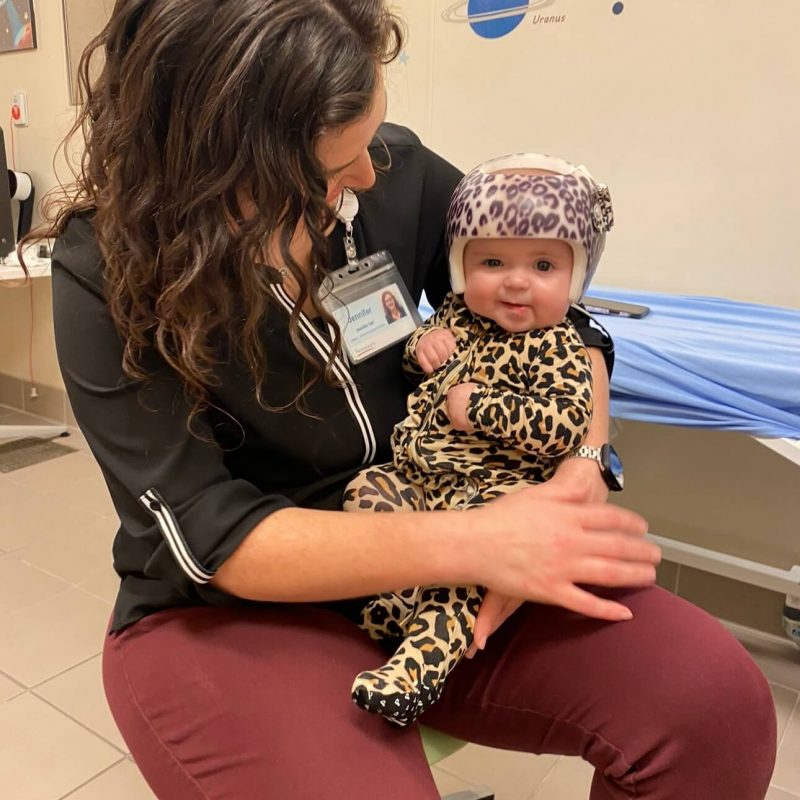
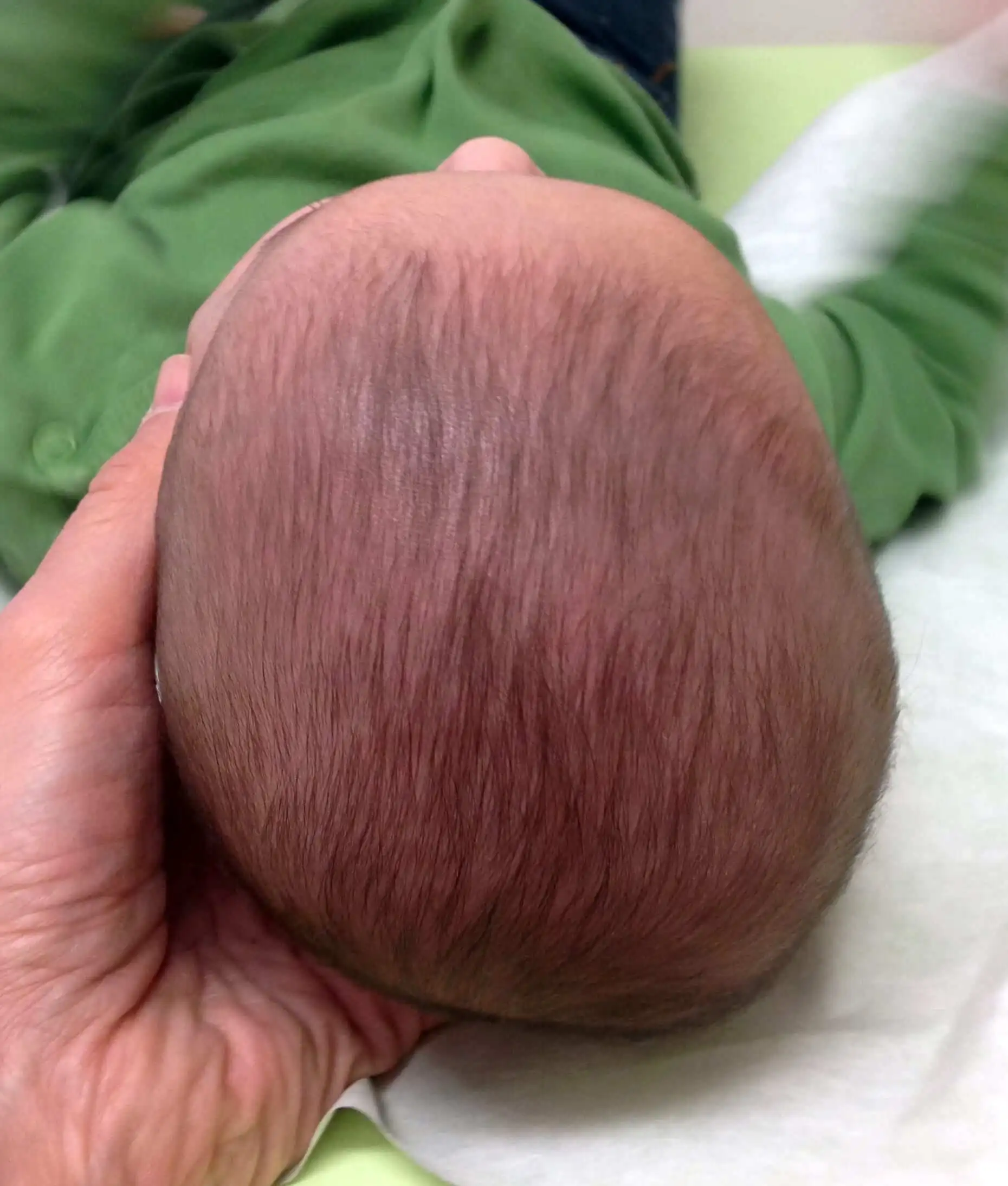
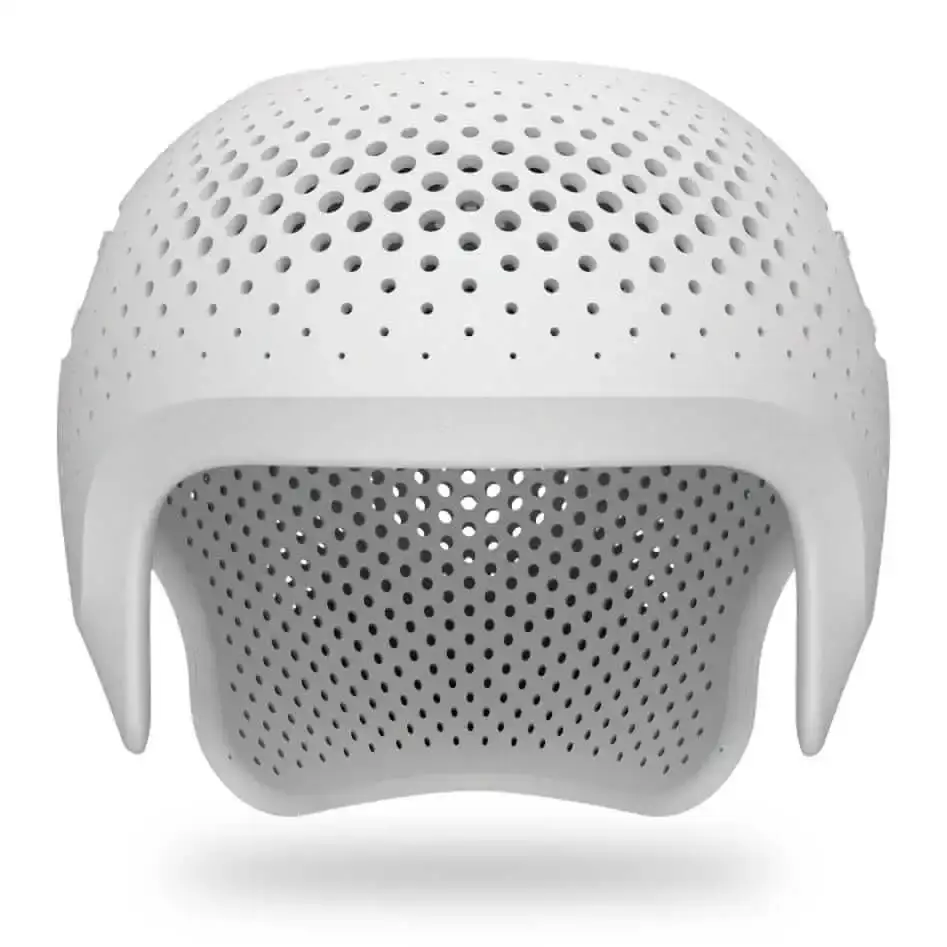

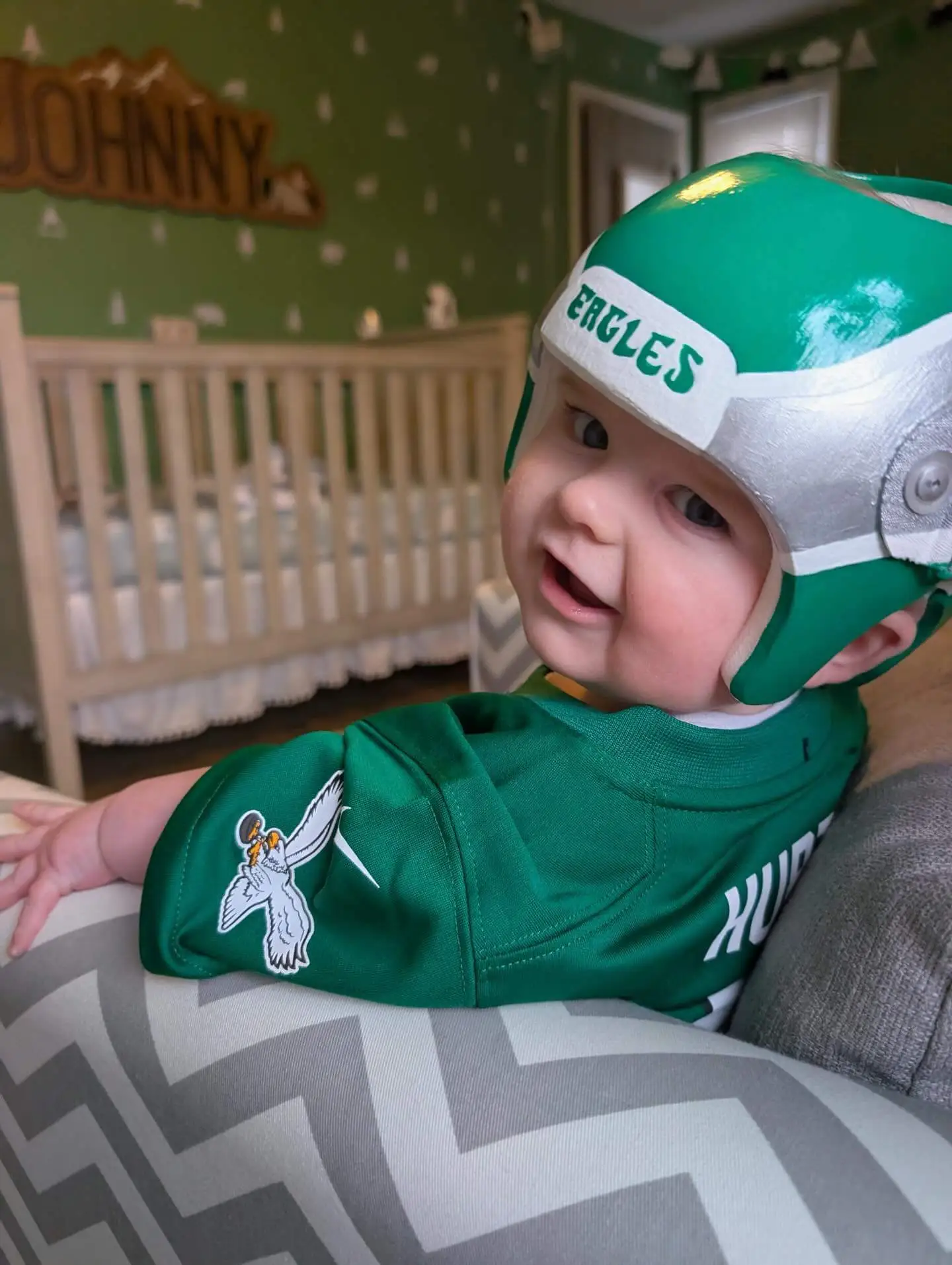
Digital 3D scanning is a shared advantage of both thermoplastic and 3D-printed fabrication workflows. By replacing traditional plaster casting, scanning keeps your baby clean and comfortable during skull measurements, reduces anxiety, and significantly shortens appointment time. The resulting digital model provides an accurate baseline of your child's head shape — making it far easier to track progress and measure change at each follow-up visit, regardless of which helmet fabrication method your clinician recommends.

Fabrication timelines and costs can vary depending on the workflow, manufacturer, and clinical setting involved. In some cases, digital fabrication workflows, whether thermoplastic or 3D-printed may offer time and cost advantages over traditional plaster-based methods by reducing material handling and labor. However, these factors differ across providers and devices, and cost should be considered alongside clinical appropriateness when your care team is determining the right approach for your child.

Because your baby's head shape is captured and stored as a digital file, your care team can easily compare new scans to earlier ones to measure change over time — a benefit shared by both thermoplastic and 3D-printed fabrication workflows. For children fitted with 3D-printed helmets specifically, the existing digital file also means that if a helmet is damaged or a replacement is needed due to rapid growth, a new device can often be produced without scheduling a new scanning session.

Some 3D-printed helmets are fabricated using bio-based or sustainably sourced polymers — materials derived from renewable resources rather than traditional petroleum-based plastics. When clinically appropriate options include these materials, they can support a lower carbon footprint without compromising the mechanical strength required for effective treatment.
The MyoPro is a myoelectric powered arm and hand orthosis, originally developed at MIT with Harvard Medical School, that reads a wearer’s own muscle signals through the skin
a significant policy change went into effect on January 25, 2026. Medicare updated its Local Coverage Determination (LCD) for knee orthoses. This expansion removed major barriers to care, making it easier for individuals with osteoarthritis to access the bracing technology they need.
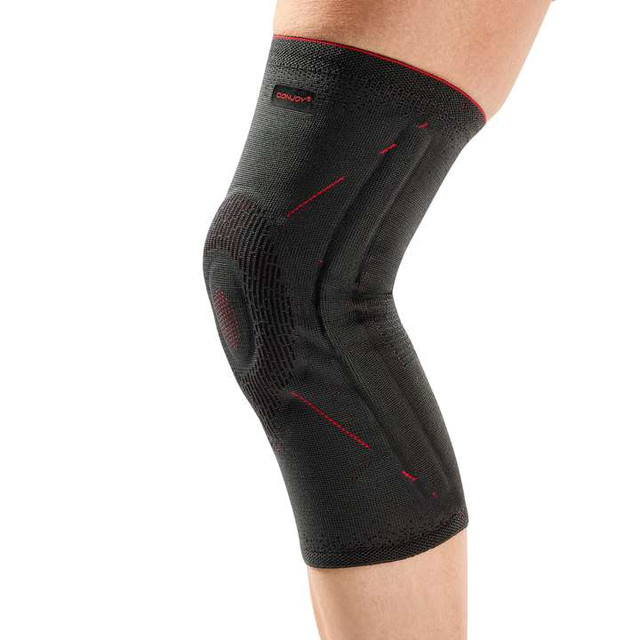
Knee pain can be a significant hurdle in daily life, transforming simple tasks like walking the dog or climbing stairs into daunting challenges. Whether stemming from a sports injury, osteoarthritis, or general wear and tear, the discomfort can feel limiting.
The sound of sneakers hitting pavement, the splash of water against a swimmer’s body, the satisfying crack of a golf ball meeting the sweet spot—these moments of athletic achievement aren’t limited by limb difference. Athletes with prosthetics are redefining what’s possible in sports, proving that determination combined with innovative technology can overcome any barrier.
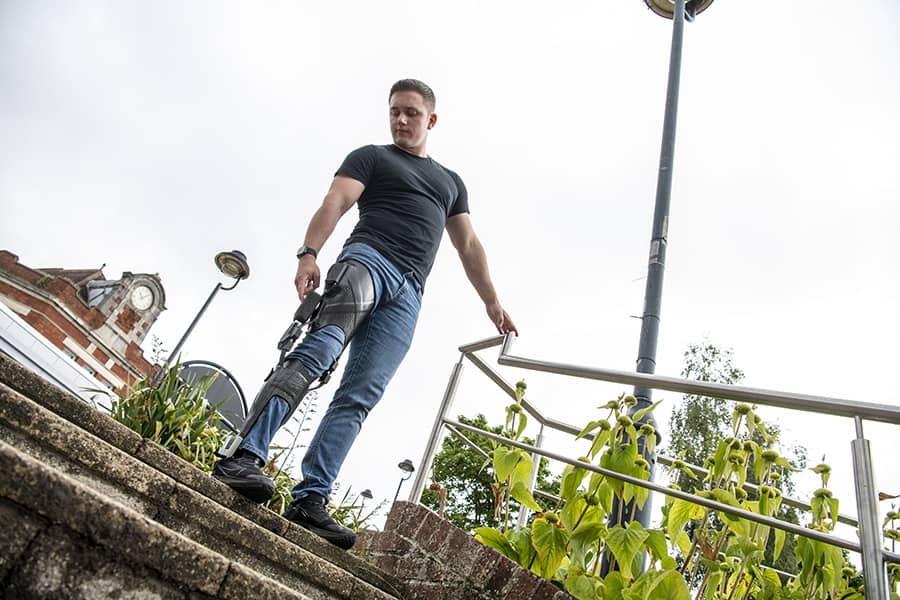
The sound of sneakers hitting pavement, the splash of water against a swimmer’s body, the satisfying crack of a golf ball meeting the sweet spot—these moments of athletic achievement aren’t limited by limb difference. Athletes with prosthetics are redefining what’s possible in sports, proving that determination combined with innovative technology can overcome any barrier.
Technological advancement has continued to explode as the decades pass, with something new and exciting growing weekly. The field of prosthetics has not been immune to these improvements, either, seeing significant advancements that improve not only the accessibility of prosthetics but also their capability and safety.