





Lawall

Cranial Remolding Helmets for Infants: Understanding Your Options

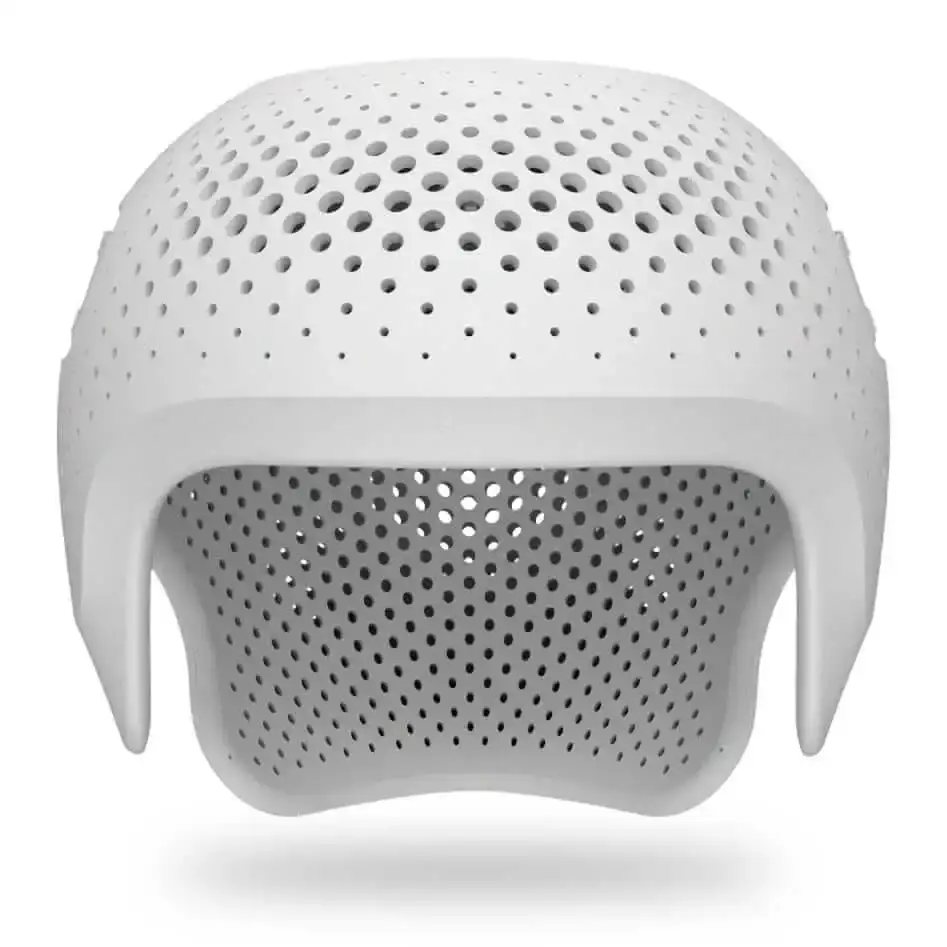
Cranial remolding orthoses medical helmets used to treat infant skull deformities like plagiocephaly and brachycephaly are available in several forms today. Helmets can be fabricated using traditional plaster casting, digital scanning with thermoplastic materials, or digital scanning with 3D printing. Each approach has its advantages, and the right choice depends on your child’s individual needs and their clinician’s recommendations. 3D-printed helmets are generally lighter and more breathable, but they are not the best fit for every patient. Clinical judgment should always guide helmet selection.
 
As a parent, you pay close attention to every detail of your baby’s development. If you’ve noticed a flat spot on your infant’s head, it is completely normal to feel concerned. At Lawall Prosthetics and Orthotics, we understand that finding the right treatment is your top priority. For decades, cranial remolding orthoses (medical helmets used to gently shape a baby’s skull) have been the standard of care. Now, advancements in 3D printing technology are changing how we approach this therapy.
 
These pediatric orthotics are more than just medical devices, they are tools that help children grow comfortably and confidently. By utilizing 3D-printed cranial helmets, we can offer solutions that are lighter, more breathable, and incredibly precise. We will walk you through the details of infant cranial deformities, how traditional treatments compare to new 3D-printed options, and how the team at Lawall Prosthetics and Orthotics can support your family throughout this journey.
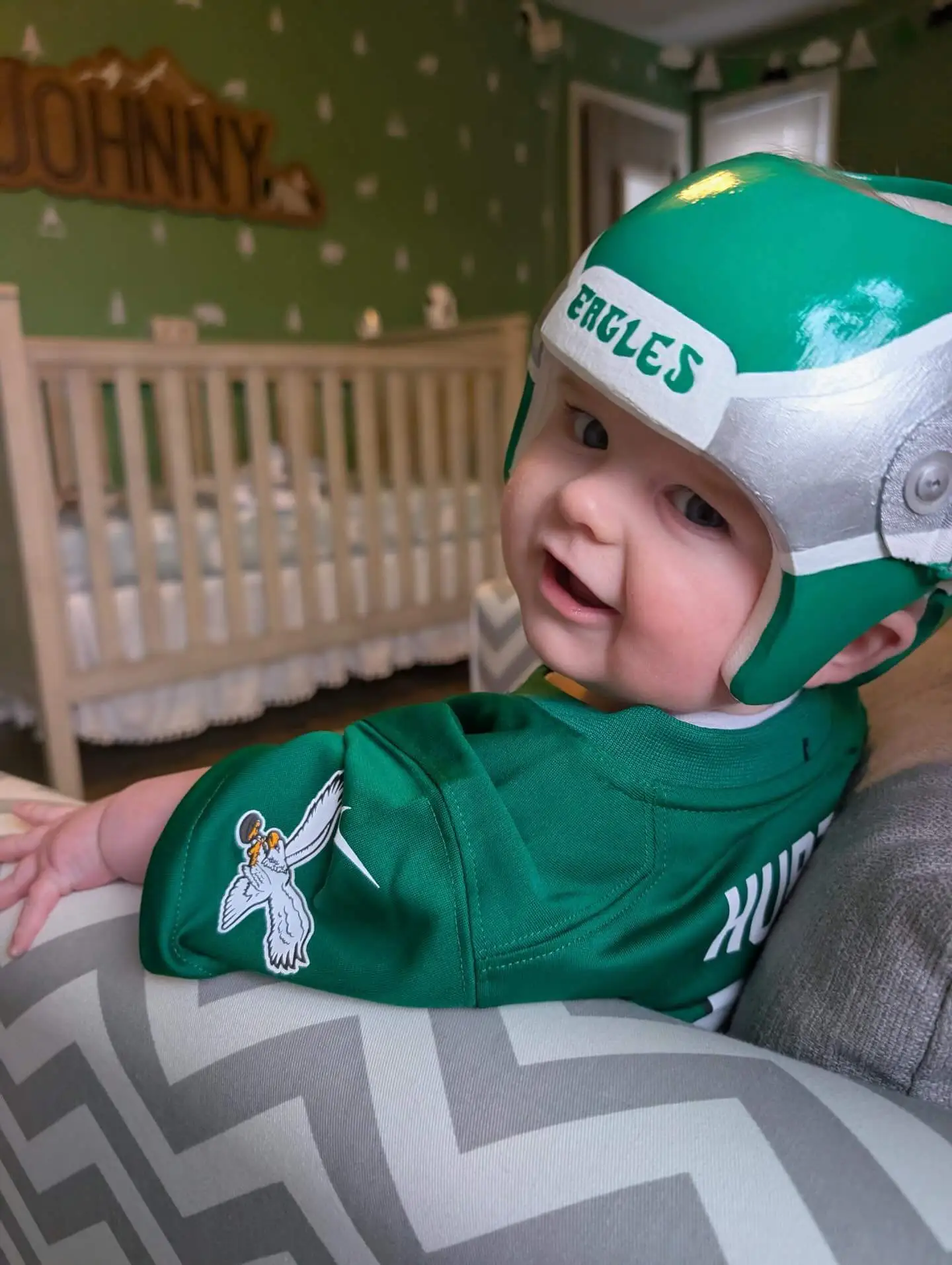
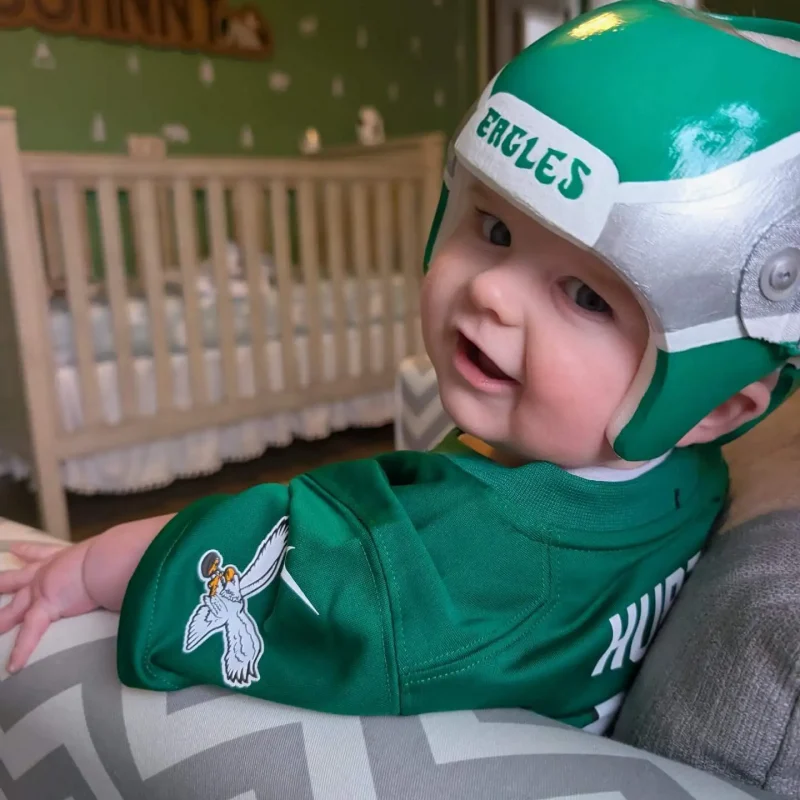
Eagles cranial molding helmet for an infant
Cranial Molding Helmets
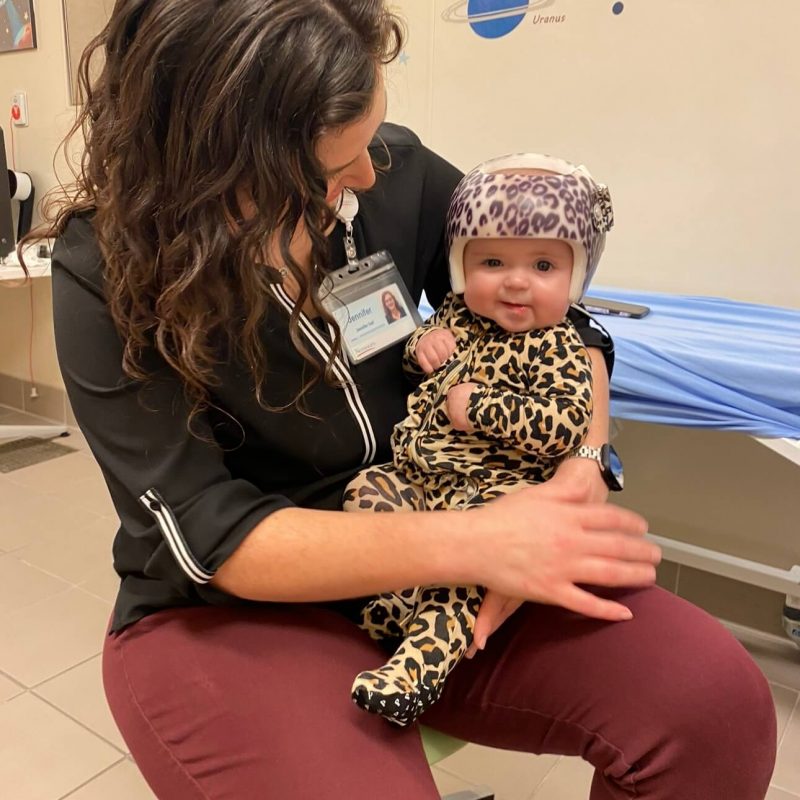
Cranial Molding Helmet for infants
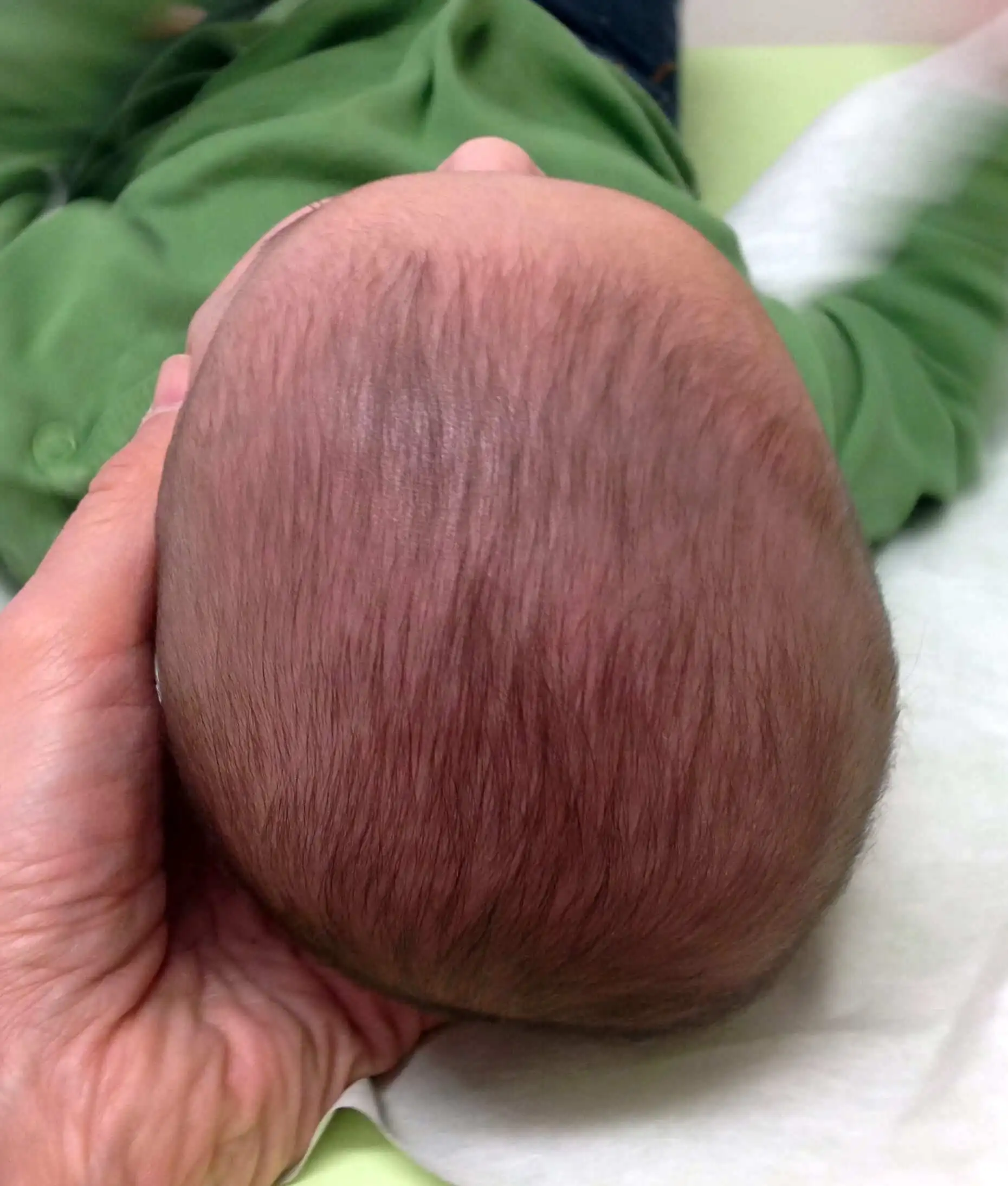
Plagiocephaly

What causes cranial deformities in infants?

Deformational plagiocephaly (DP) is a multiplanar asymmetric skull deformity that occurs when external pressure flattens a baby’s soft skull. This typically presents as flattening on one side of the back of the head. When the flattening affects both sides evenly, creating a wider head shape, the condition is known as brachycephaly. According to clinical studies, positional plagiocephaly is the most common type of cranial asymmetry in infants, often linked to the American Academy of Pediatrics’ “Back to Sleep” campaign, which successfully reduced Sudden Infant Death Syndrome (SIDS) but increased the time babies spend resting on the back of their heads.
 
Other risk factors include premature birth, multiple births, a restrictive intrauterine environment, and torticollis (a condition where a tight neck muscle limits head rotation). Early intervention is crucial. Because 85% of infant skull growth occurs within the first year of life, the ideal time to start cranial helmet therapy is typically between 4 and 6 months of age. Leaving severe deformational plagiocephaly untreated can influence long-term cranial shape and potentially impact functional development.

How Cranial Molding Helmet Therapy Has Changed Over Time

Traditionally, cranial helmet therapy began with a plaster cast. Practitioners would apply Plaster of Paris directly to the infant’s head to capture the exact shape of the skull. A custom thermoplastic helmet was then fabricated over that mold. This approach has a well-established track record and remains effective for moderate to severe cases. However, the plaster casting process can be messy, time-consuming, and uncomfortable for young infants, which is why the field has continued to explore alternative methods of capturing skull geometry.
 
Today, the field has moved beyond plaster casting, and clinicians can choose from several fabrication workflows depending on your child’s needs and clinical presentation.
No single method is right for every child. Each approach has genuine strengths, and your clinician will recommend the option best suited to your baby’s individual presentation and clinical needs.
3D printed Cranial Remolding Helmet for infant

How 3D-Printed Cranial Remolding Orthoses Compare

When clinically appropriate, 3D-printed cranial remolding orthoses are one available option that may offer certain advantages for some patients. Several manufacturers now produce these devices, each with their own design features and workflows. As with thermoplastic helmets — whether fabricated from a plaster cast or a digital scan — no single approach is right for every child, and your clinician’s assessment should always guide which option is the best fit for your baby.
 
It is important to understand that outcomes with any cranial helmet — including 3D-printed options — can vary depending on your child’s individual presentation, the severity of the deformity, the device design, and the clinical judgment of your care team. While 3D-printed helmets may offer meaningful advantages for certain patients, they are not the right choice for every child. Helmet selection should always be guided by a thorough clinical evaluation, ensuring the approach chosen is the most appropriate one for your baby’s specific needs.

What are the broader advantages of 3D-printed fabrication?

When 3D-printed fabrication is clinically appropriate for your child, it can offer several broader advantages worth understanding. These benefits are specific to the 3D-printed approach and should be considered alongside the strengths of other fabrication methods including digital scanning with thermoplastic fabrication as part of an informed conversation with your care team.
Lawall measurement accuracy

Measurement accuracy and digital data

Digital 3D scanning is a shared advantage of both thermoplastic and 3D-printed fabrication workflows. By replacing traditional plaster casting, scanning keeps your baby clean and comfortable during skull measurements, reduces anxiety, and significantly shortens appointment time. The resulting digital model provides an accurate baseline of your child's head shape — making it far easier to track progress and measure change at each follow-up visit, regardless of which helmet fabrication method your clinician recommends.

Fabrication timeline

Fabrication timelines and costs

Fabrication timelines and costs can vary depending on the workflow, manufacturer, and clinical setting involved. In some cases, digital fabrication workflows, whether thermoplastic or 3D-printed may offer time and cost advantages over traditional plaster-based methods by reducing material handling and labor. However, these factors differ across providers and devices, and cost should be considered alongside clinical appropriateness when your care team is determining the right approach for your child.

Lawall 3d printer

Monitoring Progress and Reprinting

Because your baby's head shape is captured and stored as a digital file, your care team can easily compare new scans to earlier ones to measure change over time — a benefit shared by both thermoplastic and 3D-printed fabrication workflows. For children fitted with 3D-printed helmets specifically, the existing digital file also means that if a helmet is damaged or a replacement is needed due to rapid growth, a new device can often be produced without scheduling a new scanning session.

Material sustainability

Material and sustainability considerations

Some 3D-printed helmets are fabricated using bio-based or sustainably sourced polymers — materials derived from renewable resources rather than traditional petroleum-based plastics. When clinically appropriate options include these materials, they can support a lower carbon footprint without compromising the mechanical strength required for effective treatment.

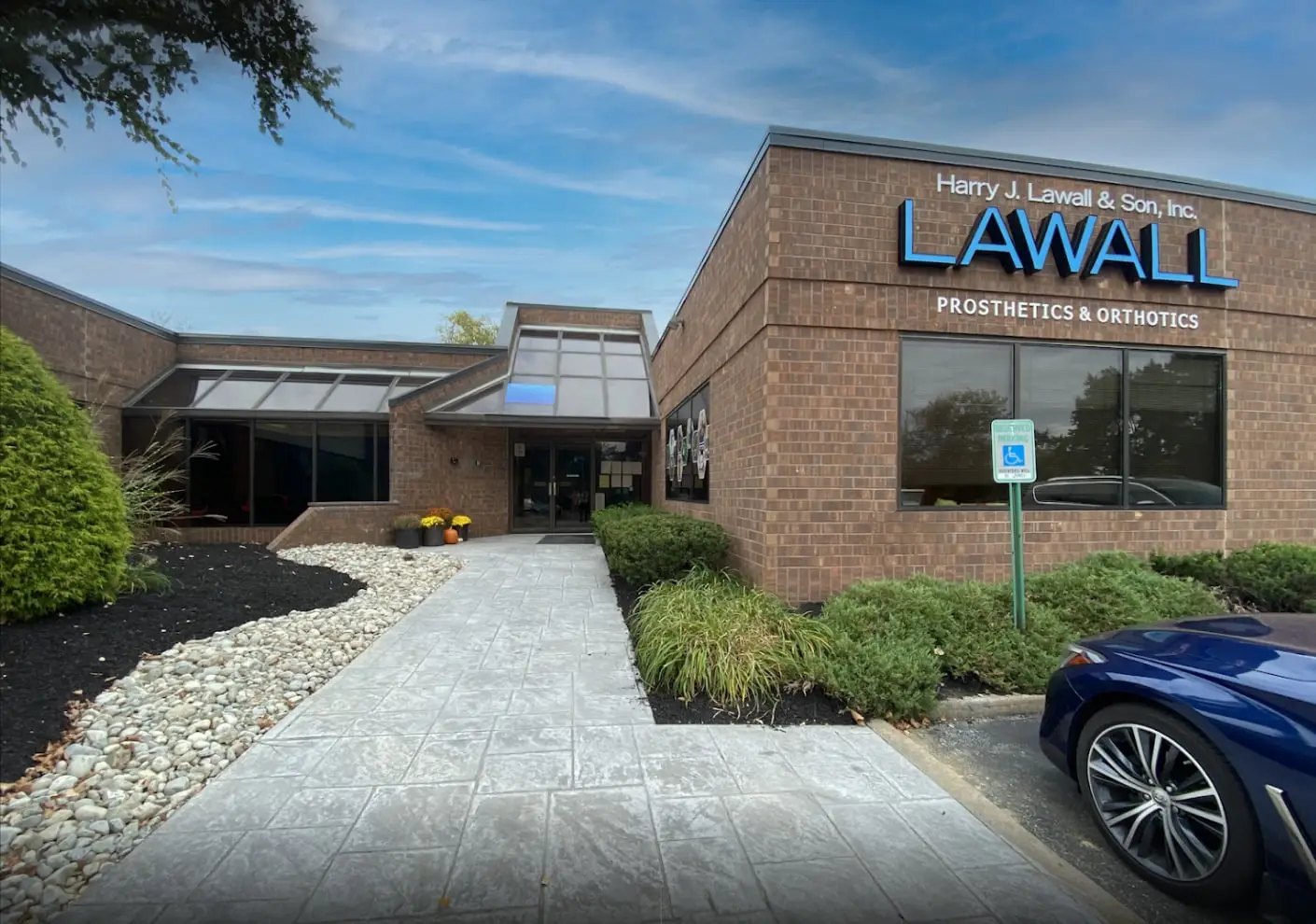
Lawall Prosthetics & Orthotics in Langhorne Pennsylvania

Working with Lawall Prosthetics and Orthotics for Cranial Care

At Lawall Prosthetics and Orthotics, your child’s well-being is our highest priority. We do more than just provide orthoses; we are beside you throughout the entirety of the process, from the initial consultation and 3D scanning to the final adjustments.

Our team embraces evidence-based care and cutting-edge technology to ensure optimal outcomes. We leverage our extensive network of expertise to fit your baby with the most appropriate, comfortable, and effective cranial remolding orthosis available.

Choosing the Right Path Forward for Your Child

3D-printed cranial helmets are one option available for treating positional plagiocephaly and brachycephaly — and for the right patient, they can be a clinically appropriate choice. Thermoplastic helmets, whether fabricated from a plaster cast or a digital scan, are equally well-established and may be better suited for certain children. Your baby’s individual presentation, the severity of the deformity, and your clinician’s assessment should always guide helmet selection because the best outcome comes from matching the right approach to the right patient, not applying a single solution across the board.
 
If you have concerns about your child’s head shape, don’t wait. Early intervention is the key to successful treatment. Schedule your consultation with Lawall Prosthetics and Orthotics to explore how our advanced cranial therapies can support your baby’s development.

Frequently Asked Questions About Cranial Helmet Therapy

The optimal time to begin cranial helmet therapy is between 4 and 6 months of age. During this period, the infant’s skull is still highly malleable and growing rapidly, which allows the helmet to effectively guide the head into a symmetrical shape.

Most infants wear a cranial remolding orthosis for 23 hours a day over a period of 9 to 14 weeks. The exact duration depends on the severity of the initial deformity and the age at which treatment begins.

3D-printed helmets can offer real advantages — including lighter weight, improved breathability, and the precision and convenience of a fully digital workflow. However, they are not the right choice for every child. Thermoplastic helmets fabricated from either a plaster cast or a digital scan are also well-established options that may be equally appropriate, or better suited, depending on your baby’s individual presentation and your clinician’s assessment. The best helmet is the one that matches your child’s specific clinical needs and that determination should always rest with your care team.

Coverage for cranial remolding orthoses varies widely depending on your specific insurance provider and policy. You are welcome to contact Lawall Prosthetics and Orthotics directly, and we can help guide you through the verification process — or you can reach out to your insurance company to confirm coverage for treating deformational plagiocephaly or brachycephaly.

Follow-up appointments are typically scheduled every 3 to 4 weeks. During these visits, we will assess your baby’s progress, take new measurements, and make any necessary adjustments to the helmet’s internal padding to accommodate head growth.

Related Posts

Eagles cranial molding helmet for an infant

When to Consider a Cranial Molding Helmet for Your Baby

The sound of sneakers hitting pavement, the splash of water against a swimmer’s body, the satisfying crack of a golf ball meeting the sweet spot—these moments of athletic achievement aren’t limited by limb difference. Athletes with prosthetics are redefining what’s possible in sports, proving that determination combined with innovative technology can overcome any barrier.

Read More
Pediatric Orthotics

Pediatric Orthotics: Supporting Growth and Development

Technological advancement has continued to explode as the decades pass, with something new and exciting growing weekly. The field of prosthetics has not been immune to these improvements, either, seeing significant advancements that improve not only the accessibility of prosthetics but also their capability and safety.

Read More
KENEVO KNEE JOINT LF2

MPKs for K2 Users Improving Mobility and Quality of Life

Technological advancement has continued to explode as the decades pass, with something new and exciting growing weekly. The field of prosthetics has not been immune to these improvements, either, seeing significant advancements that improve not only the accessibility of prosthetics but also their capability and safety.

Read More
Scroll to Top